

Are You Caring for Your Cat’s Paws the Right Way?
Your cat’s paws are marvels of nature, soft, sensitive, and essential to their daily comfort, mobility, and behavior. Yet many cat parents overlook proper paw care in favor of more obvious features like fur or nutrition. At The Refined Feline, we believe optimal paw health goes hand in hand with the right environment and furniture. We will help you understand your cat’s paws, provide tips to care for them, and show how thoughtfully designed cat furniture can support paw wellbeing.
Understanding the Cat Paw (Palm)
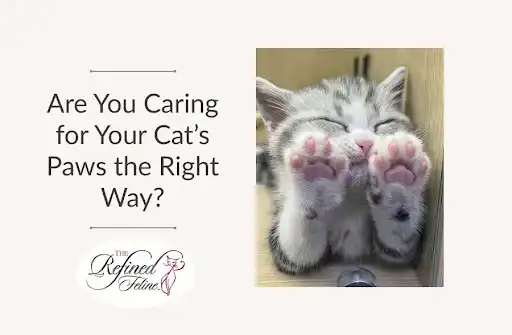
When we refer to a cat’s “palm,” we mean the soft pads on their paws, the digital (toe) pads, metacarpal/metatarsal (main pad) area, and claws. These pads are rich in nerve endings and are used not only for walking and jumping but also for balance, traction, and communication (via scratching). The health of these pads is critical: cracked or overgrown claws, injuries, or improper surfaces can lead to pain, infection, or behavioral issues (e.g., refusal to jump, scratching furniture aggressively, or favoring one leg).
Key Characteristics of Healthy Cat Paws
- Softness and suppleness: Healthy pads are slightly spongy, not hard or overly dry.
- Uniform coloration: Depending on coat color or pigmentation, pads should have consistent color without large discoloration or lesions.
- Appropriate claw length and curvature: Claws should be sharp but not overextended or curling into the paw.
- Free movement: Toes should spread naturally when touching surfaces; no persistent splaying.
- No swelling, cuts, or foreign objects: Check daily (or as often as possible) for splinters, thorns, or debris.
Why Paw Health Matters (Beyond Comfort)
- Traction & balance: Healthy pads allow cats to jump, sprint, climb, and land safely.
- Protection: The pads act as shock absorbers on hard floors, reducing stress on joints.
- Behavior & stress: Discomfort or pain in paws often leads to cats avoiding surfaces, overgrooming, or aggressive scratching elsewhere.
- Longevity of active life: Joint and bone health is supported when paws function properly over time.
Thus, caring for paws is just as essential as caring for weight, grooming, or mental enrichment.
How Furniture Supports Paw Care
The environment you give your cat, especially the surfaces they scratch, walk, and lounge upon, directly affects their paw pads and claws. Here’s how furniture can enhance paw health:
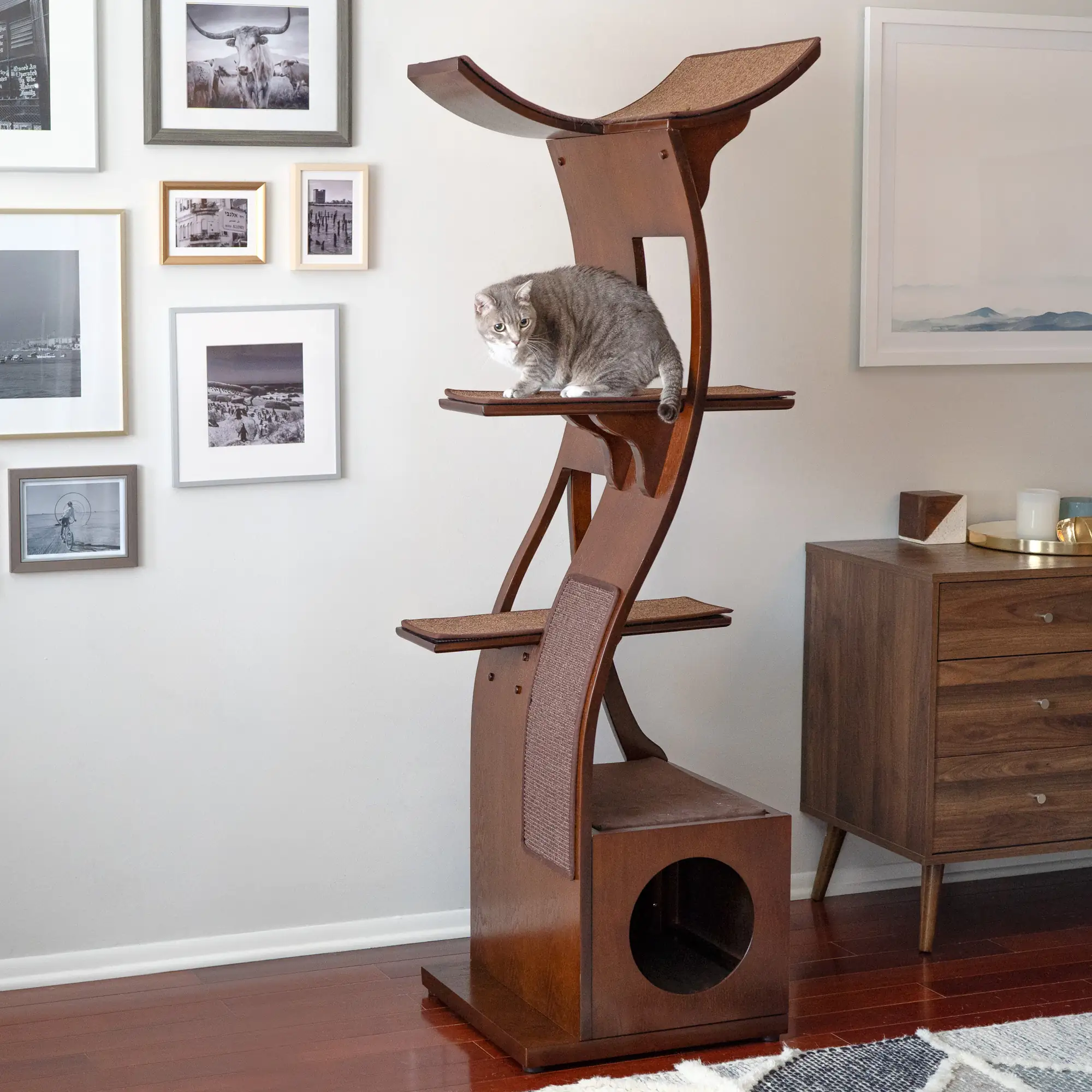
- Appropriate scratch surfaces: Durable scratching posts or towers help cats maintain healthy claws. A satisfying scratching surface helps cats shed outer claw sheaths without damaging pads or overgrowing claws.
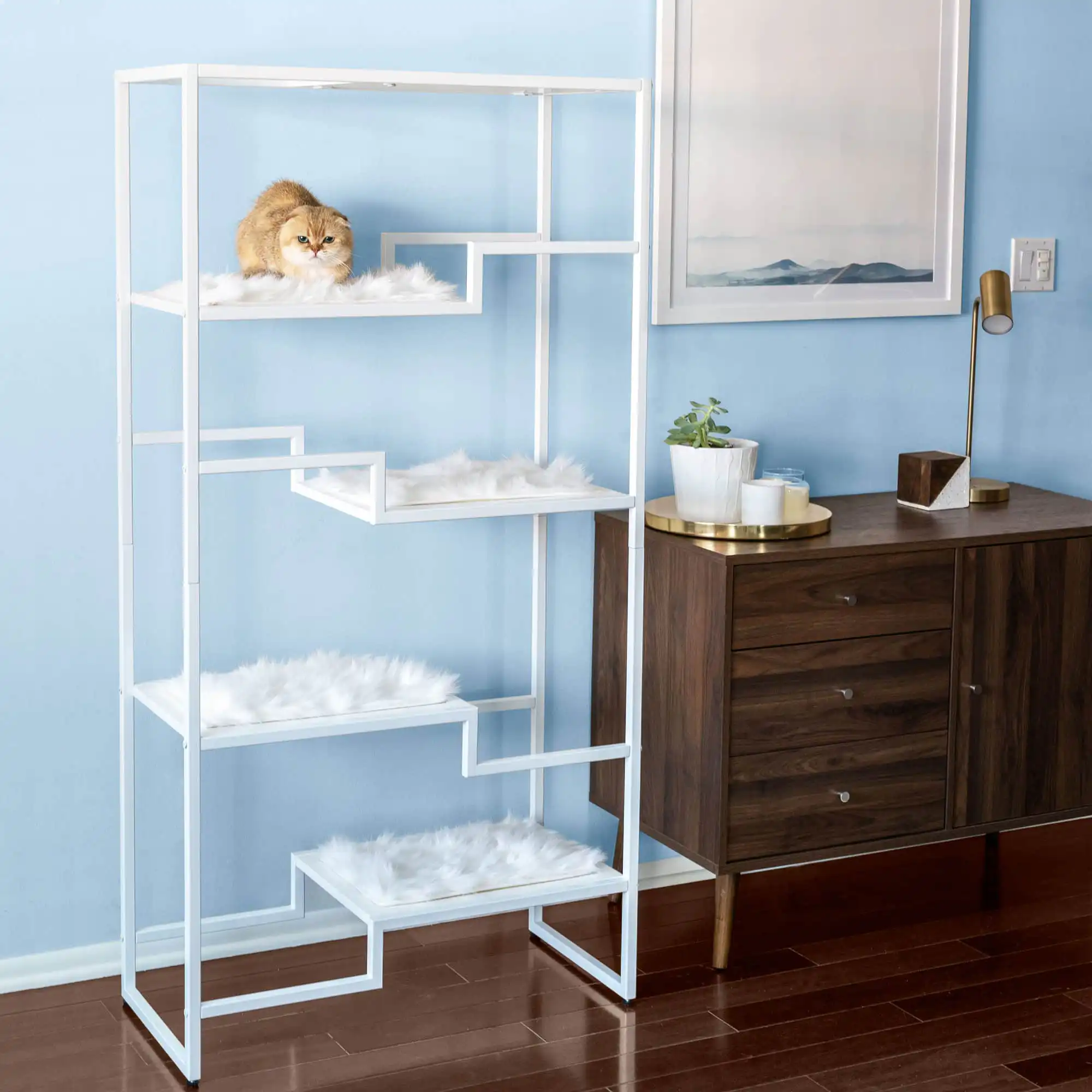
- Soft, forgiving platforms: Many of the cat condos and perches have cushioned, carpeted, or fabric surfaces that are gentler on paws than bare wood or hard plastic.
- Well-angled climbable structures: Ramps, steps, and gradual inclines reduce impact and strain on paws and joints, especially for older cats.
By combining good paw hygiene with the right surfaces from your furniture, you create a synergy that helps your cat move, climb, and rest without undue strain.
Essential Cat Paw Care Tips
Here are concrete, actionable steps you can follow to keep your cat’s paws healthy and comfortable.
Inspect and Clean Regularly
- Daily or frequent checks: Especially after outdoor or garden access, inspect pads for cuts, burrs, or foreign material (glass, small stones).
- Gentle cleaning: Use a damp, soft cloth (lukewarm water) to wipe pads and in-between toes. Don’t use alcohol or harsh cleaners.
- Drying: If paws get wet (e.g. during cleaning or after walking over wet surfaces), gently dry them. Damp pads are more vulnerable to fungal or bacterial infection.
Trim Claws Wisely
- Frequency: Every 10–14 days is often enough, depending on how much your cat wears them down naturally.
- Technique: Use a proper cat claw trimmer. Trim just the sharp, white tip, avoid cutting into the quick (the pink inner part). If the claw is dark, trim conservatively and gradually.
- Reward: Give treats or gentle praise. Many cats will resist, so patience and gradual desensitization is key.
Moisturize (If Needed)
If a cat’s pads are cracked or overly dry, a vet-approved pet-safe balm (often containing ingredients like vitamin E or shea) can be gently applied. Always confirm with your vet first. Never use human foot creams, they may contain harmful compounds for cats.
Protect from Rough or Hot Surfaces
- In very hot weather, surfaces like asphalt, tiles, or pavement can burn pads.
- Avoid carpets or fabrics with sharp or frayed edges in your home environment (especially near scratching areas).
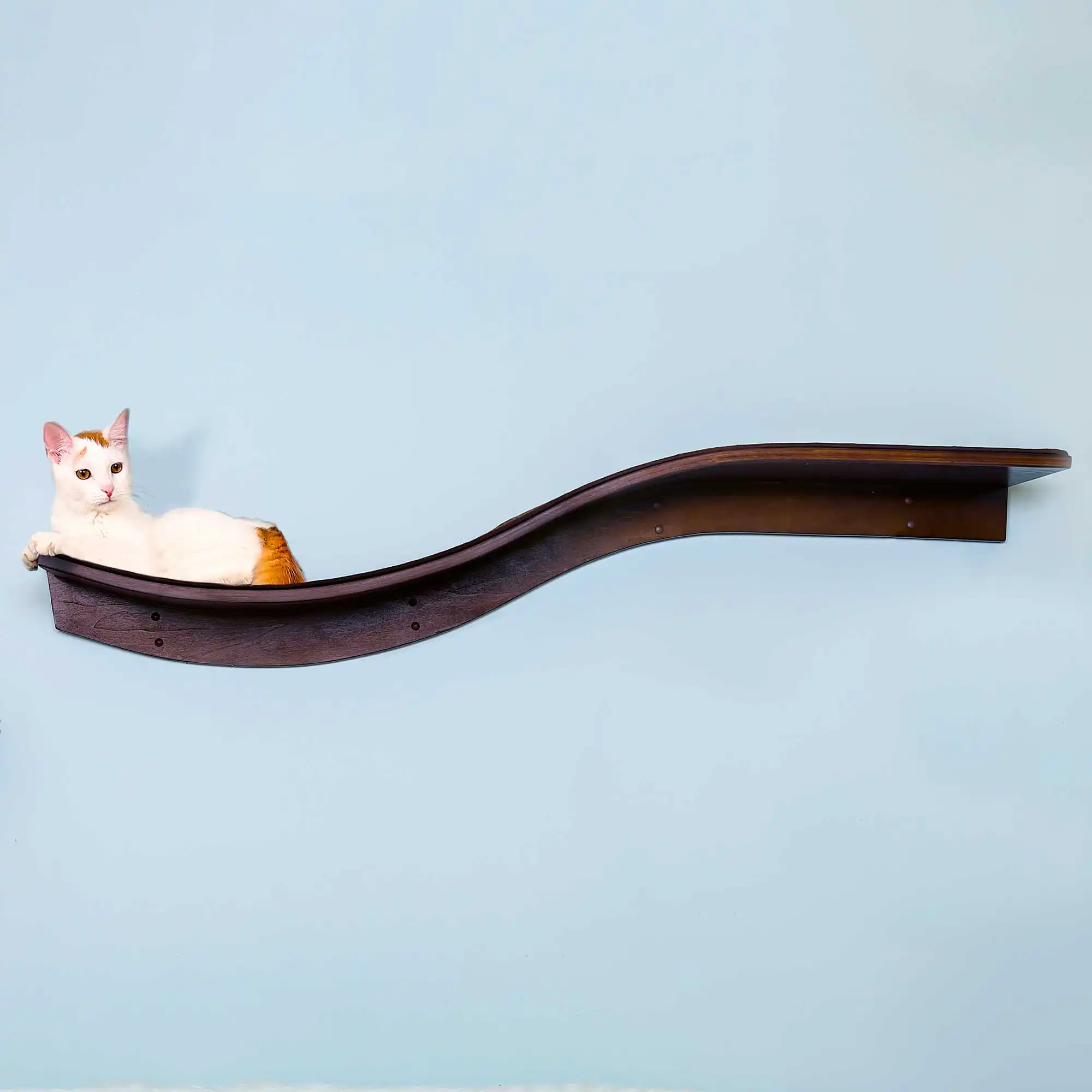
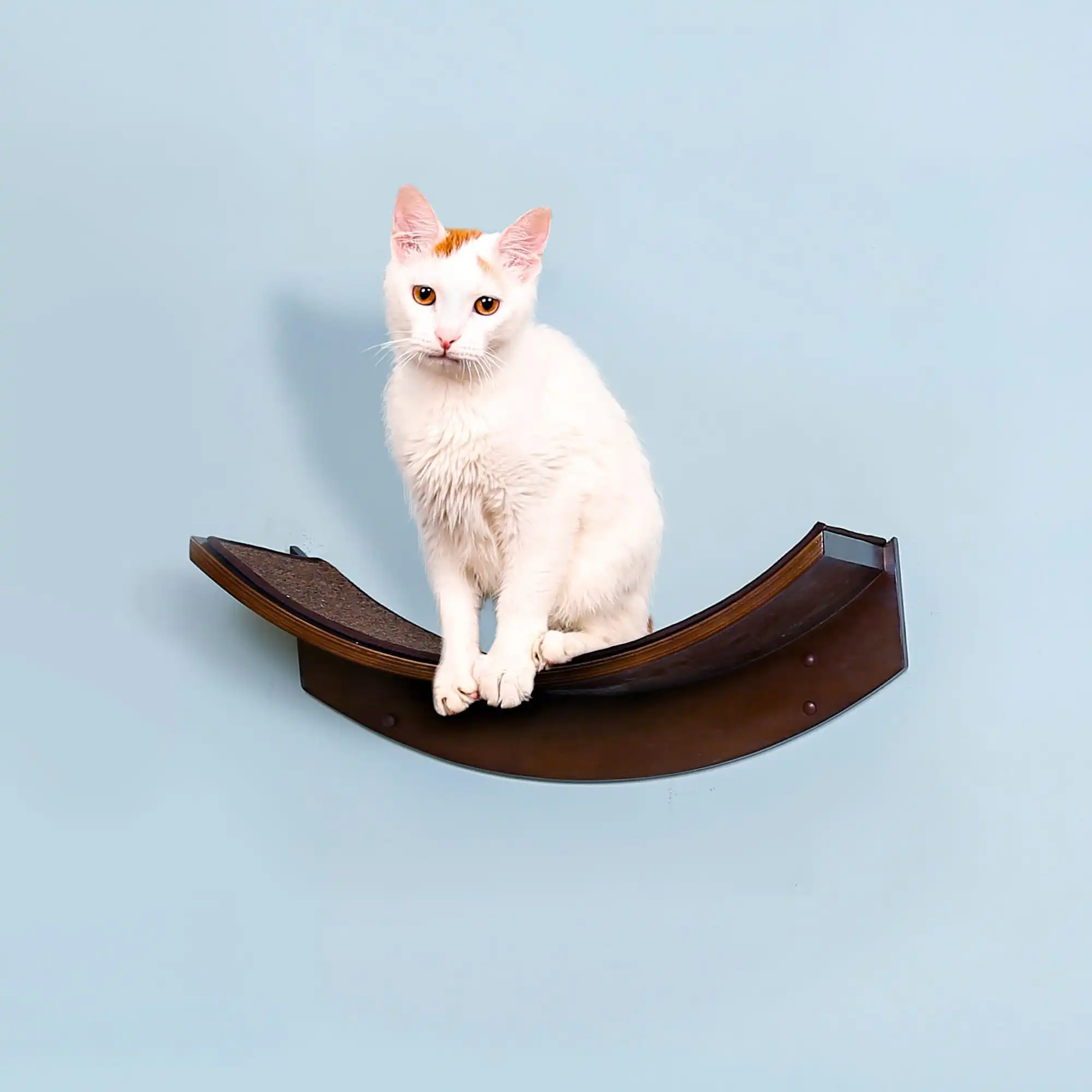
- Use rugs, textured mats, or soft platforms (like those from The Refined Feline offerings) to cushion walking zones.
Provide Soft Landing Zones and Transitional Surfaces
Transitioning from hard surfaces (tiles, hardwood) to soft ones helps reduce abrupt stress on paws. Use rugs, padded cat beds, and plush perches. The Refined Feline’s plush cat beds, condos, and carpeted platforms (which are replaceable) are ideal for giving paws a “break” from harder ground.
Troubleshooting Common Paw Problems
Even with best care, problems can arise. Here’s how to recognize and address them.
1. Problem: Brown/Cracked or Dry Pads
Possible causes: Low humidity, overuse on rough surfaces, seasonal dryness.
Solutions:
- Apply a safe paw balm (vet approved) sparingly.
- Provide more soft surfaces (beds, rugs, padded shelves).
- Monitor humidity; consider a humidifier in dry rooms.
2. Problem: Overgrown or Curled Claws
Possible Causes: Lack of scratching surface that satisfies the cat; inactive indoor lifestyle.
Solutions:
- Ensure multiple scratching surfaces (vertical, horizontal) with durable materials.
- Use The Refined Feline’s scratching posts and towers to encourage healthy claw wear.
- Increase play and movement to naturally file claws.
3. Problem: Limping, Sensitivity to Touch, Avoidance
Possible Causes: Injury, embedded foreign object, infection, broken claw, torn pad.
Next Steps:
- Gently examine the paw. Look for swelling, bleeding, puncture marks, or foreign bodies.
- If pain persists, limit movement and consult a veterinarian promptly.
- Apply a clean dressing if bleeding, but avoid tight bandages unless directed by a vet.
4. Problem: Nail Splintering or Fracture
Possible Causes: Trauma, brittle claws, nutritional deficiencies.
Solutions:
- Trim carefully to avoid stress fractures.
- Ensure your cat’s diet provides essential nutrients (omega-3, biotin).
- Vet intervention may be needed for medicinal treatment or corrective trimming.
Love Your Cat’s Paws (With the Right Furniture)
Your cat’s paw health is a key indicator of their overall well-being. With attentive cleaning, trimming, and protection from harsh surfaces, you set them up for a comfortable life. But the environment matters hugely, furniture that respects paw anatomy, offers cushioning, and provides satisfying scratching routes changes everything.
Explore our modern cat furniture
FAQs
Q: How often should I check my cat’s paws?
Ans. Ideally once a day or at least several times a week, especially after new surfaces, outdoor time, or any rough play.
Q: Can I use human lotion or balm on my cat’s paws?
Ans. No. Many human skincare products contain ingredients toxic to cats (e.g. fragrances, essential oils). Always seek vet-approved products formulated for pet paw care.
Q: Are indoor cats less likely to have paw problems?
Ans. Not necessarily. Indoor cats may not wear claws naturally, which can lead to overgrowth without scratching surfaces. Also, indoor surfaces like hard tiles or slippery floors might stress paws without adequate padding.
Q: When should I see a vet for paw issues?
Ans. If your cat is limping for more than 24 hours, shows signs of swelling, bleeding, or refuses to step on the paw, seek veterinary attention promptly.