


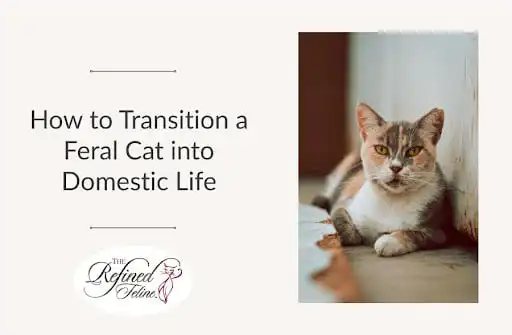
How to Transition a Feral Cat into Domestic Life
TL;DR: Key Takeaways
- Feral cat transition is all about trust, not training; it takes time and patience.
- Always start acclimating feral cats in a quiet, enclosed space where they feel safe.
- Food is your strongest tool for connection; every meal builds trust.
- Follow proven rescue cat tips like routine feeding, soft talking, and slow blinking.
- Expect setbacks; fear-based reactions are part of their healing journey.
- Not all feral cats become cuddly, but every step toward calmness is a victory.
Bringing a wild heart indoors isn’t easy. A feral cat transition takes patience, kindness, and a little bit of cat psychology. This guide helps you move from fear and hissing to purrs and trust, step by step.
What Is a Feral Cat Transition?
Understanding What “Feral” Really Means
A feral cat isn’t just shy. It’s a cat that grew up without human contact. It’s not used to people, smells, or indoor life. Think of it as a mini lion trying to survive, not a pet that lost its way.
How Feral Differs from Stray
A stray cat has known love before; a feral hasn’t. A stray might approach you. A feral cat hides, hisses, or flees. Knowing this difference shapes your rescue cat tips strategy.
Why Patience is Non-Negotiable
A feral cat transition can’t be rushed. You can’t “train out” fear overnight. Building trust is more like gardening than building furniture. It grows slowly but beautifully.
Why Acclimating Feral Cats Matters
Giving Them a Second Chance
When you start acclimating feral cats, you’re saving lives. Many ferals can’t survive harsh weather, illness, or hunger. Your home becomes their safe haven.
Creating Bonds That Last
Domestic life means food, warmth, and security, but for a cat, it also means connection. Once a feral learns to trust you, that loyalty runs deep.
The Joy of Watching Change
There’s magic in seeing a wild creature nap on your couch. It’s more than taming. It’s transformation. You’ll never forget the first time they purr in your lap.
How to Start Acclimating Feral Cats
Set Up a Safe Zone
Before anything else, prepare a quiet room.
Add:
- A covered bed or box for hiding.
- Food and water in one corner.
- A litter box far from food.
That’s their world for now.
Go Slow, Really Slow
Forget Hollywood montages. Acclimating feral cats takes weeks, sometimes months. Start by simply being in the room, talking softly, and moving calmly.
Let Food Build Trust
Food is your bridge. Every meal says, “You’re safe.” Try hand-feeding only when they seem ready; never force it.
Rescue Cat Tips That Work
Learn Their Body Language
Tail tucked? Ears flat? Time to give space. Slow blink? You’re getting somewhere. Cats talk with their bodies long before they meow.
Use Gentle Routines
Feed at the same times. Keep sounds predictable. Feral cats crave control. They need to know what happens next.
Introduce Touch Carefully
Pet with a long spoon or brush first. It sounds odd, but it helps them adjust before your hands come closer.
Common Hurdles in Feral Cat Transition
When Fear Turns to Fight
If the cat hisses or swipes, don’t punish. Back up, breathe, and reset. Fear is part of healing. You’re re-teaching safety.
Multi-Cat Chaos
If you already have pets, keep them separated until both sides are calm and curious, not defensive. Introduce scents before faces.
The Escape Attempt
It happens. Doors left open, instincts kick in. If they bolt, don’t chase. Leave food outside and stay nearby. Many return once they realize the indoors is safer.
When to Ask for Help
Call a Vet or Rescue
A professional can check for illness, microchips, and vaccines. They can also guide you on behavioral steps for the feral cat transition progress.
Seek Community Advice
Join local rescues or online groups. You’ll find stories, tips, and emotional support from people who’ve done it.
Know When It’s Enough
Not all feral cats become lap cats, and that’s okay. Sometimes, your love is giving them safety, not snuggles.
Signs of Progress
- Eating in your presence
- Slow blinking back
- Relaxed posture
- Accepting gentle petting
- Playing near you
- Sleeping openly in your home
Things Not to Do
- Don’t rush physical contact
- Don’t stare directly, it feels threatening
- Don’t yell or clap to discipline
- Don’t move them between rooms too fast
- Don’t expect perfection, expect progress
Final Thoughts
A feral cat transition isn’t about turning wild into tame. It’s about showing what trust feels like. Whether they curl in your lap or simply nap by your window, you’ve built a bridge between two worlds, and that’s no small thing.
Next time you meet a wild-eyed feline at your door, remember: you’re not just giving them a home. You’re rewriting their story, one gentle paw at a time.
Frequently Asked Questions
Q. How long does it take to tame a feral cat?
Ans. Every cat is different. Some adjust in weeks, others in months. Consistency and patience make all the difference.
Q. Can adult feral cats become house pets?
Ans. Yes, with time and gentle care. While kittens adapt faster, adult ferals can learn to trust, too.
Q. What food helps in acclimating feral cats?
Ans. Start with strong-smelling wet food or tuna to attract them. Slowly transition to balanced cat food once trust grows.
Q. How can I stop a feral cat from hiding all the time?
Ans. Don’t pull them out. Instead, sit nearby, talk softly, and use treats. They’ll emerge when ready.
Q. Should I take my feral cat to a vet right away?
Ans. If possible, yes, but safely. Use a humane trap or carrier, and inform the vet that your cat is feral.
Q. What if my rescued cat never becomes cuddly?
Ans. That’s perfectly fine. Some cats show love differently, through eye contact, play, or simply staying close.