

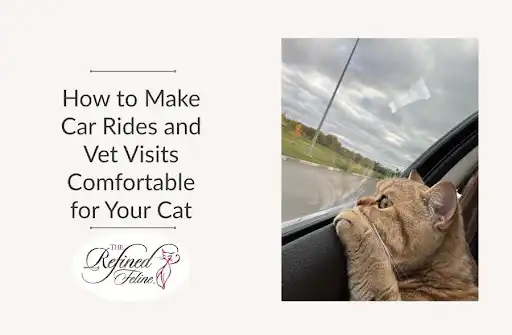
How to Make Car Rides and Vet Visits Comfortable for Your Cat
TL;DR: Key Takeaways
- Cat travel stress comes from motion, noise, and change.
- Car anxiety eases when the carrier becomes familiar.
- Start with short rides and reward calm behavior.
- Use comfort items and pheromone sprays for soothing.
- Follow gentle vet visit tips for a smoother experience.
- Patience and predictability turn travel into trust.
Most cat parents know the chaos of a car ride. There’s meowing, panting, maybe even escape attempts. The carrier becomes a prison, and you feel like a bad parent. But car trips and vet visits don’t have to be battles. With the right steps, you can transform them into peaceful, even purr-worthy, experiences.
What Makes Car Travel So Stressful for Cats
Understanding Feline Fear
Cats are creatures of habit. Sudden movement, strange sounds, and new smells trigger fear. When it comes to cat travel, even the smoothest road feels like a roller coaster to them.
Why the Carrier Isn’t Their Friend (Yet)
Most cats only see their carrier when something unpleasant is coming, like a vet visit or relocation. Over time, they associate it with fear. Reintroducing it as a safe, everyday item is the first step in reducing car anxiety.
Sensory Overload
During travel, everything changes: motion, smell, and light. Cats can’t control any of it. Their ears pick up vibrations, their whiskers twitch with every bump. No wonder they’re stressed!
Why Vet Visits Add to the Anxiety
The Smell of Stress
Vets’ offices smell like disinfectant, fear pheromones, and other animals. To cats, it’s a sensory explosion. This unfamiliar blend adds to car anxiety before the exam even starts.
Stranger Danger
At home, your cat rules the sofa kingdom. At the vet, they’re surrounded by strangers in white coats. Even gentle handling can feel threatening. Understanding this helps you practice compassionate restraint and calming cues.
The Return Trip
Cats remember. If the outbound ride was stressful, they brace for it again on the way home. Consistency and calm routines help prevent lingering fear and make future vet visit tips easier to apply.
Common Signs of Travel Anxiety
Loud Meowing or Howling
When cats feel trapped or scared during cat travel, they often express it through loud vocalization. This isn’t them being dramatic. It’s their way of saying, “I don’t feel safe!” Meowing helps release tension, but if it’s constant or intense, it’s a clear sign of car anxiety that needs attention.
Heavy Panting or Drooling
Unlike dogs, cats don’t pant to cool down. They pant from stress or overheating. If your cat starts drooling or panting heavily, it means their anxiety is peaking. Stop the car, lower the temperature, and let them calm down before continuing to keep their cat health stable.
Trembling or Crouching in the Carrier
When a cat trembles, crouches low, or presses against the back of the carrier, it’s trying to make itself invisible. This defensive posture shows fear rather than aggression. A covered carrier, calm voice, and familiar scents can help reduce this car anxiety response.
Refusing to Enter the Carrier Again Later
If your cat bolts at the sight of the carrier after a trip, it’s a sign that past experiences were stressful. This creates a negative association with both the carrier and future vet visits. Leaving the carrier out at home with treats and toys inside helps rebuild trust slowly.
Urinating or Defecating in the Car
Accidents in the carrier or car are signs of extreme fear, not misbehavior. When cat travel triggers full panic, loss of bladder control can happen. Clean the area thoroughly to remove the scent, as it can reinforce fear, and work on desensitization before the next trip.
How to Reduce Car Anxiety During Cat Travel
Make the Carrier a Safe Space
Leave the carrier open at home with blankets, toys, and treats inside. Let your cat nap or play there long before the trip. The goal is to turn it from a trap to a den.
Short Practice Rides
Start small. Drive around the block and come home for treats and cuddles. These mini-trips help your cat realize that not every car ride ends with a thermometer at the vet.
Keep Calm and Quiet
Play soft music, avoid loud conversations, and drive smoothly. Cats feel your tension. Your calm becomes their calm. This helps them handle car anxiety like pros.
Essential Cat Travel Gear
- Secure, well-ventilated carrier
- Familiar blanket or towel
- Calming pheromone spray or wipes
- Seatbelt or carrier harness
- Portable litter box for long trips
Temperature and Comfort
Keep the car cool and shaded. Cats overheat quickly, and discomfort amplifies stress. A comfortable temperature and a steady ride are simple ways to improve cat travel experiences.
What to Do Before, During, and After Vet Visits
Before the Visit
Schedule visits at quiet times and pack comfort items: your cat’s towel, favorite toy, or a shirt that smells like you. Spray calming pheromones 10 minutes before leaving.
During the Visit
Speak softly, stay nearby, and let your cat see you. Cats often calm down when they can hear your voice or smell familiar scents. Don’t force them out of the carrier. Let the vet open it gently.
After the Visit
Once home, give them a quiet room to decompress. Offer food, water, and soft praise, but don’t crowd them. The idea is to reset their comfort zone and end the experience on a peaceful note.
Where Travel Plans Can Go Wrong
Rushing the Process
If you shove your cat into the carrier minutes before leaving, you’re setting the tone for panic. Build patience into your routine. Prep a few days ahead of each trip.
Ignoring Body Language
Flattened ears, growls, and low meows mean “I’m scared.” Ignoring these signs makes fear worse. Acknowledge them, pause, and reassure your cat before continuing the journey.
Skipping Positive Reinforcement
Cats don’t “learn” from scolding; they learn from rewards. Treats, gentle words, and a calm environment tell them travel isn’t punishment. Each success builds confidence for the next vet visit.
What Cat Parents Should Do to Make Vet Visits and Car Rides More Comfortable
Practice Between Trips
Even when no vet visit is coming up, keep desensitization going. Place the carrier in common spaces and take tiny rides. Familiarity fights fear better than any medication.
Talk to Your Vet About Calming Aids
For cats with severe car anxiety, ask your vet about pheromone diffusers or mild calming supplements. These natural aids can make a world of difference without sedation.
Remember that Empathy Is Everything
You can’t explain car rides to cats, but you can show them they’re safe. Gentle handling, predictable routines, and steady energy build lifelong trust.
Final Thoughts
Car rides and vet trips will never be a cat’s favorite adventure, but they can be manageable. With patience, practice, and love, cat travel becomes less about fear and more about comfort.
Next time your cat sees the carrier, picture calm instead of chaos, a purring passenger instead of a protesting one. That’s the quiet victory every pet parent can earn.
Frequently Asked Questions
Q. Why does my cat hate the car so much?
Ans. Cats dislike unpredictability. Loud sounds, vibrations, and new scents trigger instinctive fear. Gradual exposure and gentle cat travel routines reduce that reaction over time.
Q. How can I make my cat comfortable in the carrier?
Ans. Keep the carrier accessible year-round. Add bedding, toys, and treats inside so it feels safe. Before travel, spray calming pheromones and let your cat enter willingly.
Q. What should I do if my cat drools or pants in the car?
Ans. That’s a sign of car anxiety. Pull over safely, lower the temperature, and speak softly. Frequent breaks and a calm atmosphere can help them settle.
Q. Should I feed my cat before a vet visit?
Ans. Avoid big meals before travel. Light feeding helps prevent motion sickness. Bring treats for positive reinforcement once you arrive.
Q. Are sedatives safe for car travel?
Sedatives can help in extreme cases, but should only be prescribed by your vet. Many cats respond better to pheromone sprays or slow desensitization instead.
Q. How do I make future vet visits easier?
Ans. Keep the experience consistent. Reward calm behavior, stick to familiar routines, and practice short drives often. Over time, your cat learns that vet visit tips aren’t just theory. They really work.