

How to Introduce Your Cat to a New Baby
TL;DR: Key Takeaways
- Cat baby introduction works best when started early.
- Keep routines consistent for your cat’s comfort.
- Use scent and sound training before the baby arrives.
- Let curiosity lead the first meeting. Never force it.
- Maintain affection to reduce jealousy in babies and pets.
- Seek new parent cat advice if anxiety or aggression persists.
You’re overjoyed about your baby, but your cat? Maybe not so much. They’ve been the center of your universe. Now there’s a tiny, noisy human stealing all the attention. You’re worried: Will your cat hiss, hide, or act out? Don’t panic. With a little prep, you can help your fur baby and your human baby become the purrfect roommates.
What Is a Cat-Baby Introduction and Why It Matters
Understanding the Shift
A cat baby introduction is more than a first meeting. It’s a transition. Your cat isn’t just meeting someone new; their entire routine, scent world, and soundscape are changing.
Cats Love Routine, Babies Don’t
Cats thrive on predictability. Babies thrive on unpredictability. That combination can unsettle even the calmest cat. Recognizing this helps you prepare emotionally and practically for a smoother adjustment.
Why Preparation Is Everything
Without preparation, your cat may link the baby to stress, noise, or lost attention. Preparing ahead builds familiarity so your cat feels secure, not sidelined.
Why Cat-Baby Introductions Affect Behavior
Cat Psychology 101
Cats don’t understand “new baby,” but they do understand “new smells” and “strange noises.” Their instincts tell them to investigate or retreat. Understanding how babies and pets interact helps you respond with empathy instead of frustration.
Preventing Jealousy and Stress
It’s normal for cats to act out at first. Maybe they hide, ignore you, or get clingy. These are signs of anxiety, not defiance. Maintaining affection and attention prevents behavioral problems.
Reading the Signs Early
Pay attention to small cues like flattened ears, tail flicks, or excessive grooming. These are early signals of stress. Catching them early helps you adapt before bigger cat behavior issues appear.
Signs Your Cat Feels Stressed by Change
- Hiding or avoiding rooms with baby items
- Refusing food or treats
- Overgrooming or excessive meowing
- Urinating outside the litter box
- Acting clingy or unusually distant
How to Introduce a Cat to a Baby Step-by-Step
Step 1: Start Weeks Before Birth
Don’t wait until the baby comes home. Begin introducing baby sounds, smells, and routines early. Play recordings of baby cries at low volume, bring in baby lotion or powder scents, and let your cat sniff them safely.
Step 2: Gradually Adjust Spaces
Before the baby arrives, set up the nursery and let your cat explore it under supervision. Use this time to establish boundaries, for example, teaching them not to jump into the crib.
Step 3: Keep Routines Consistent
Cats crave consistency. Feed them at the same times, keep litter boxes clean, and continue play sessions. Predictable care reassures them that love and food aren’t going anywhere.
Smart Preparation Tips for Cat Owners
- Introduce baby smells slowly (lotions, blankets)
- Play short baby sounds daily at a calm volume
- Keep feeding and play routines consistent
- Add cozy, cat-only spaces in quiet areas
- Use positive reinforcement (treats and praise)
Step 4: The First Meeting
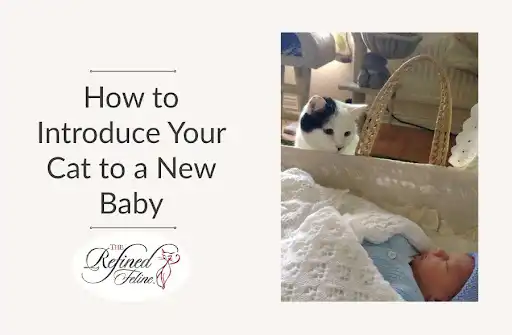
When it’s time for your cat baby introduction, stay calm. Hold your baby securely and let your cat observe from a distance. Don’t force contact. Let curiosity unfold naturally. Reward calm behavior with treats and gentle words.
Step 5: Respect Everyone’s Comfort Zone
Your cat may retreat. That’s okay. Cats adjust at their own pace. Let them control how close they get. Forcing interaction can turn curiosity into fear.
Where Things Can Go Wrong (and How to Fix Them)
Overstimulation from Baby Sounds
Babies cry, giggle, and squeal unpredictably. For cats, that’s chaos. Introduce white noise machines or soft background sounds to reduce shock when real noises start.
Neglecting Your Cat’s Emotional Needs
It’s easy to forget your first “baby” when the real one arrives. But skipping playtime or cuddles can lead to jealousy. Just five minutes of daily focused time can calm their nerves and reinforce your bond.
Ignoring Scent Confusion
Cats recognize you and your home through scent. When a baby enters the picture, you smell different, too. Let your cat sniff your hands and clothes after handling the baby. It helps them associate the new scent with comfort, not confusion.
What New Parents Should Do to Introduce Their Cat to a New Baby
Create Shared Safe Zones
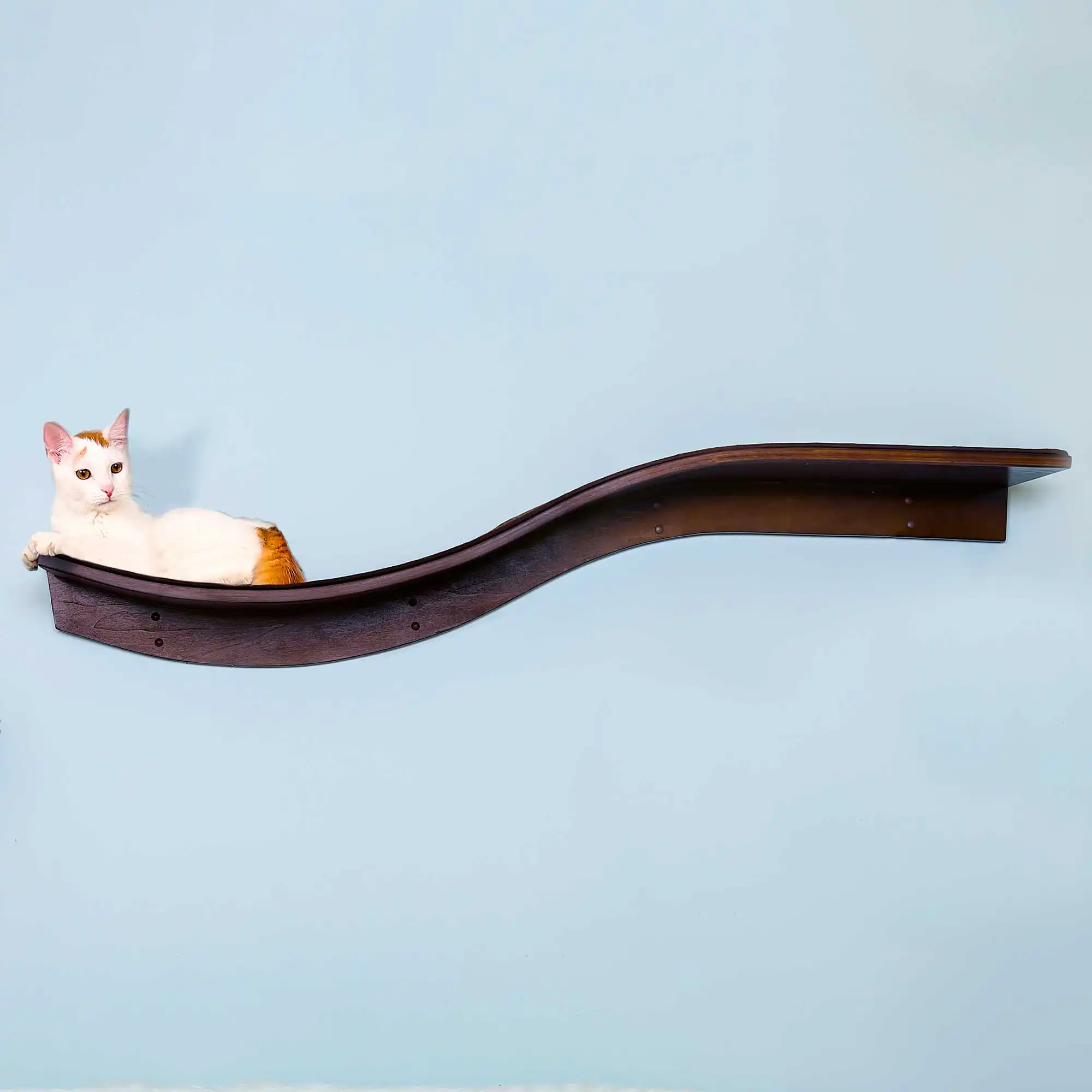
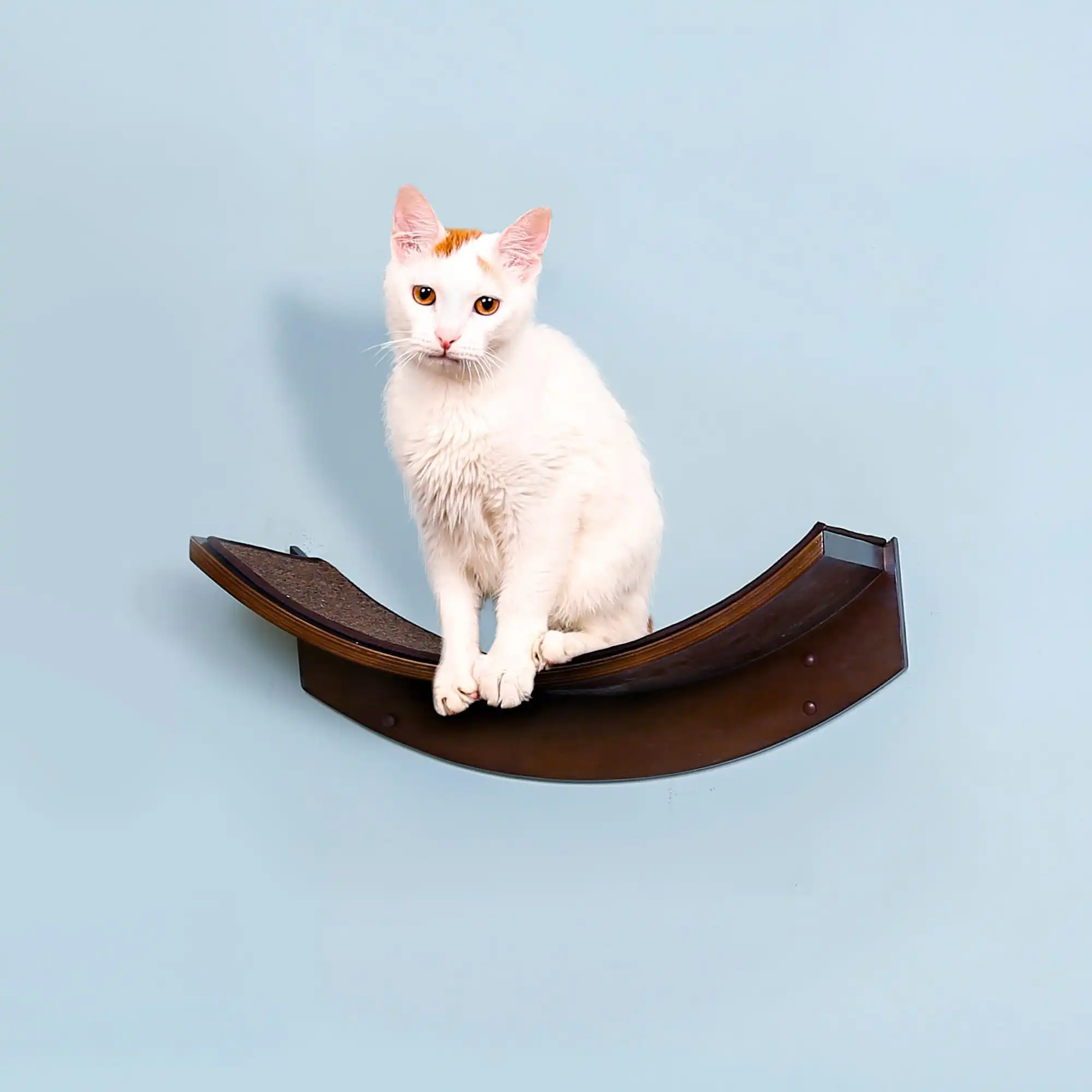
Make sure your cat has high perches or hiding spots to observe without feeling trapped. A baby gate or cat tree helps them feel “included but safe.”
Reward Calm Curiosity
Whenever your cat behaves calmly near the baby, give them gentle praise or a treat. Positive reinforcement teaches that the baby’s presence means good things.
Know When to Seek Help
If your cat’s anxiety doesn’t ease or aggression develops, consult a vet or animal behaviorist. Professional new-parent cat advice can guide you through retraining or environment adjustments.
Final Thoughts
Bringing home a baby doesn’t mean losing your bond with your cat. It means redefining it. With patience, routine, and empathy, your feline can learn that the baby isn’t a rival but a new member of their pride.
Next time you hold your newborn and your cat slinks nearby, remember: they’re both curious, sensitive, and a little unsure. Your calm presence is the bridge that connects their worlds.
Frequently Asked Questions
Q. When should I start preparing my cat for the baby?
Ans. Ideally, begin the cat baby introduction process a few weeks before the baby’s arrival. Gradual exposure to new scents and sounds helps reduce anxiety when the real change begins.
Q. Can cats be jealous of a new baby?
Ans. Yes, but it’s usually stress-related, not true jealousy. Cats dislike sudden changes in attention or routine. Maintaining daily affection and familiar feeding times reassures them they’re still loved.
Q. Is it safe to let my cat near the baby?
Ans. Yes! Supervised interactions are perfectly safe. Allow your cat to observe from a distance first. As comfort grows, let them get closer under watchful eyes. Never force contact or leave them alone together.
Q. What if my cat avoids the baby completely?
Ans. That’s a normal reaction during adjustment. Some cats need more time to feel safe. Keep exposure positive and consistent; curiosity will replace fear over time.
Q. How do I stop my cat from jumping in the crib?
Ans. Before the baby comes, teach boundaries using double-sided tape or a safe deterrent. Offer cozy alternatives like a cat bed near your room to show them where they belong.
Q. What’s the best way to keep peace between the baby and the pets?
Ans. Balance attention. Continue playtime, create safe zones, and pair baby presence with rewards. Over time, your cat will see the baby not as a disruption, but as a new adventure to watch over.