

Understanding Cat Food Labels: What Do All Those Ingredients Mean?
Walking down the pet food aisle can feel like navigating a maze of marketing claims. Bright packages promise everything from “natural” to “grain-free,” but the real story lives in the fine print on the back. A well-fed cat is an active, healthy cat, one who climbs with confidence, plays with energy, and purrs with contentment. Knowing how to read cat food labels puts you in control of what actually goes into your cat’s bowl.
How to Read Cat Food Labels
Every cat food label follows a standard structure set by AAFCO (Association of American Feed Control Officials). Once you know what each section means, choosing the right food becomes far less confusing.
The Ingredients List
Ingredients are listed in descending order by weight before cooking. The first three to five ingredients make up the bulk of the food. A named animal protein, like chicken, turkey, or salmon, should lead the list. Vague terms like “meat by-products” or “poultry meal” in top positions signal lower-quality sourcing.
Keep in mind that fresh meat contains water weight, which can push it higher on the list than its dry-weight contribution warrants. A food listing “chicken” first and “corn gluten meal” second may contain more corn than chicken once moisture is removed.
The Guaranteed Analysis
Every cat food label includes minimum or maximum percentages for crude protein, crude fat, crude fiber, and moisture. “Crude” refers to the testing method, not quality. For adult cats, look for at least 26% protein and 15% fat on a dry matter basis. Kittens need 30% or more protein. Senior cats benefit from moderate fat (10-15%) and slightly elevated protein to maintain muscle mass.
When comparing wet and dry foods, account for moisture. Wet food at 10% protein with 78% moisture actually contains around 45% protein on a dry matter basis.
The AAFCO Statement
Look for a statement confirming the food meets AAFCO nutritional standards for a specific life stage, such as “adult maintenance” or “all life stages.” A statement referencing actual feeding trials is considered stronger verification than one based on formulation alone.
Cat Food Ingredients List Explained
Not all ingredients are created equal, and knowing the difference between helpful and harmful ones protects your cat’s long-term health.
Ingredients to Look For
Named animal proteins (chicken, salmon, turkey) provide the essential amino acids cats need as obligate carnivores. Taurine, an amino acid critical for heart and eye health, should be listed as an additive since cats cannot produce enough on their own. Healthy fat sources like chicken fat or fish oil support coat quality and brain function.
Ingredients to Avoid
Artificial preservatives like BHA, BHT, and ethoxyquin have raised health concerns over prolonged use. Artificial colors such as Red #40 serve no nutritional purpose and exist purely for marketing. Corn gluten meal, used as a primary protein source, is a cheap substitute for real meat. Carrageenan, found in many wet foods, has been flagged as a potential inflammatory agent. Generic terms like “meat meal” or “animal fat” indicate undefined, inconsistent sources.
Labeling Tricks to Watch For
A cat food label reading “chicken flavor” requires only a trace amount of chicken. “Chicken dinner” must contain at least 25% chicken. Only products labeled simply “chicken” or “chicken for cats” must contain 95% or more of that protein. Wording matters far more than packaging imagery.
What Is Cat Food Made Of
Quality cat food starts with animal protein, supplemented by fats, limited carbohydrates, vitamins, and minerals. Cats are obligate carnivores, meaning their bodies are designed to derive nutrition primarily from meat. Plant proteins cannot fully replace animal-based amino acid profiles, regardless of protein percentage.
A good recipe balances named meat proteins with healthy fats, minimal fillers, and essential supplements like taurine, vitamin E, and omega fatty acids. Premium formulas tend to list fewer ingredients overall, with each one serving a clear nutritional purpose.
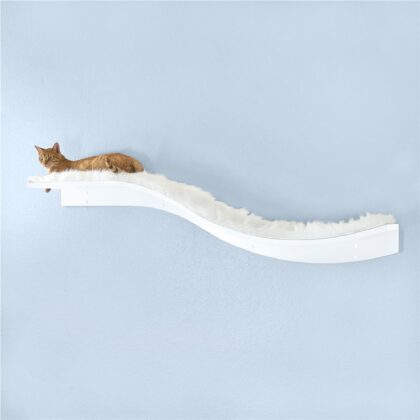
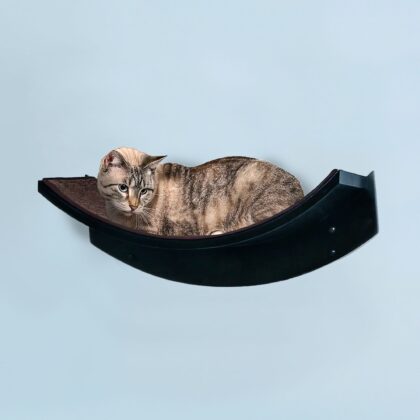
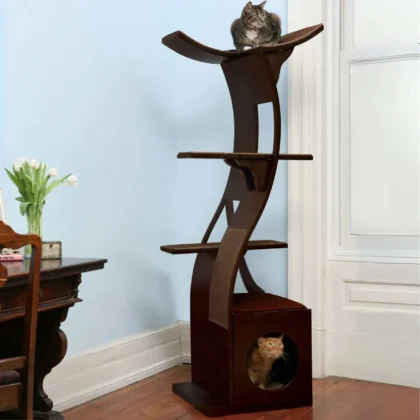
Well-nourished cats have brighter coats, steadier energy for playing on cat trees and climbing shelves, and healthier weight management throughout their lives. A proper diet is as foundational to your cat’s wellbeing as a safe, enriching home environment with cozy cat beds and scratching posts for daily enrichment.
How to Store Cat Food Properly
Even the best cat food loses nutritional value if stored improperly. Fat oxidation creates rancidity that destroys vitamins and can cause digestive upset.
Dry Food Storage
Keep dry food in a cool, dry place below 70 degrees when possible. Use an airtight container and finish an opened bag within four to six weeks. Never mix old food with a fresh bag, and clean the container between refills to prevent oil buildup.
Wet Food Storage
Once opened, refrigerate wet food and use it within two to three days. Cover the can or transfer contents to a sealed container. Allow refrigerated food to come to room temperature briefly before serving, as most cats prefer food that is not ice-cold.
Shop the Collection
What goes into your cat’s bowl is one half of the equation. The other half is the world you build around them, a home filled with spaces to climb, scratch, rest, and play. When nutrition and environment work together, your cat thrives in every way that matters. Browse our modern cat furniture collection and give your cat a home as thoughtfully designed as their diet.
Frequently Asked Questions
Q. What Are the Worst Ingredients in Cat Food?
Ans. Artificial preservatives (BHA, BHT), artificial colors, corn gluten meal as primary protein, carrageenan, propylene glycol, and generic “meat meal” or “animal fat” from unspecified sources.
Q. How Can I Tell If Cat Food Uses Real Meat?
Ans. Look for a named animal protein (chicken, turkey, salmon) as the first ingredient. Avoid labels that use vague terms like “meat by-products” or “poultry” without specifying the animal.
Q. Is Crude Protein Good for Cats?
Ans. Yes. Crude protein measures total protein content, and higher percentages are generally better for cats. However, protein quality and digestibility matter just as much as the percentage shown on the cat food label.
Q. What Is Natural Cat Food?
Ans. Natural cat food uses ingredients derived from plant, animal, or mineral sources without artificial colors, flavors, or preservatives. “Natural” does not automatically mean organic or free from all processing.
Q. What Should I Look for in Cat Food Ingredients?
Ans. Named animal protein first, added taurine, healthy fat sources, minimal fillers, no artificial preservatives or colors, and an AAFCO adequacy statement matching your cat’s life stage.