

Senior Cat Care: Understanding Age-Related Behavior Changes
TL;DR: Key Takeaways
- Senior cat care begins around age 7 when behavior changes typically start appearing.
- Cat arthritis often shows as hesitation before jumping or avoiding high surfaces.
- Increased sleeping and routine preference are normal parts of geriatric cat aging.
- Sudden dramatic behavior shifts require immediate veterinary evaluation and assessment.
- Environmental modifications like ramps and extra litter boxes improve senior cat comfort significantly.
- Regular twice-yearly vet visits become essential for proper geriatric cat health monitoring.
Your cat used to race around the house like a furry tornado. Now they move like they’re walking through invisible molasses. Don’t panic; your kitty isn’t broken. They’re just getting older, and that comes with some interesting personality updates.
Think of senior cats like that favorite uncle who used to do backflips at family parties. Now he prefers his recliner and complains about “kids these days.” Same lovable personality, different energy level. Understanding these changes helps you become the best possible cat parent for your aging furball.
What Makes a Cat “Senior” and Why Their Behavior Shifts
When Cats Officially Join the Senior Club
Cats typically earn their senior status around age 7, though some lucky felines don’t show signs until they’re 10 or older. Just like people, some cats age gracefully while others need reading glasses (metaphorically speaking) earlier than expected.
Your geriatric cat experiences physical changes that directly impact their behavior. Their joints get creaky, their senses might dim slightly, and their energy reserves run lower than before. It’s not laziness, it’s biology doing what biology does.
The Science Behind Senior Cat Behavior Changes
Inside your aging kitty’s body, several processes slow down. Their metabolism shifts into a lower gear, their muscle mass decreases slightly, and their joints might develop some wear and tear. These physical changes create a ripple effect that influences how they interact with their world.
Brain chemistry also evolves with age. Senior cats might become more routine-focused or less tolerant of disruptions. They’re not being difficult; they’re adapting to a body that processes information differently than it used to.
Common Age-Related Behavior Patterns
Senior cat care becomes easier when you recognize typical aging patterns. Most older cats sleep more, play less intensely, and prefer predictable routines. They might become more vocal, seeking extra attention or expressing discomfort in new ways.
Some cats develop what veterinarians call “grumpy old cat syndrome,” i.e., increased irritability during handling or petting. This usually stems from physical discomfort rather than personality changes, making gentle handling essential for senior cat care.
How Physical Changes Impact Daily Cat Behavior
Joint Stiffness and Mobility Challenges
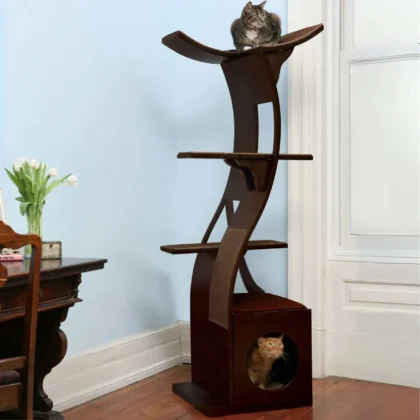
Cat arthritis affects many senior felines, though they hide discomfort much better than dogs. You might notice your cat avoiding high jumps, hesitating before leaping onto furniture, or taking longer routes to favorite spots.
Watch for subtle signs: your cat might stop using their tall scratching post, avoid upstairs areas, or seem stiff when getting up from naps. These behaviors often indicate joint discomfort rather than simple laziness.
Sensory Changes That Affect Personality
Aging cats might develop mild hearing or vision changes that influence their behavior. A cat who suddenly seems “antisocial” might simply be startled more easily because they can’t hear approaching footsteps as clearly.
Vision changes can make cats more cautious about jumping or navigating in dim lighting. They might stick closer to familiar areas or seem more clingy than usual. These adaptations show intelligence, not weakness.
Sleep Pattern Evolution in Geriatric Cats
Senior cats typically sleep even more than younger cats (and that’s saying something). However, their sleep might become lighter or more fragmented. Some older cats develop reverse sleep cycles, becoming more active at night.
This shift often relates to physical discomfort or cognitive changes. Your geriatric cat might need multiple comfortable sleeping spots around the house to accommodate changing preferences and joint needs.
Distinguishing Normal Aging from Health Concerns
Red Flags That Need Veterinary Attention
While many behavior changes are normal, some warrant immediate attention. Sudden appetite loss, dramatic personality shifts, hiding for extended periods, or obvious pain signals require veterinary evaluation.
Watch for concerning signs like:
- Difficulty using the litter box
- Excessive vocalization, especially at night
- Dramatic weight loss or gain
- Confusion or disorientation
- Aggressive behavior that’s completely out of character
When Behavior Changes Indicate Underlying Issues
Sometimes what looks like normal aging actually signals treatable conditions. Cat arthritis, dental pain, thyroid issues, or kidney problems can all masquerade as simple “getting older” behaviors.
A cat who stops grooming might have arthritis, making it painful to twist and reach. A formerly social cat who becomes reclusive might be experiencing discomfort or illness. Trust your instincts; you know your cat better than anyone.
Documentation Strategies for Vet Visits
Keep simple notes about behavior changes, including when they started and how frequently they occur. Photos or videos can help veterinarians understand what you’re observing at home.
Record eating habits, litter box usage, sleep patterns, and social interactions. This information helps veterinarians distinguish between normal aging and potential health issues during senior cat care evaluations.
Practical Strategies for Supporting Your Senior Cat
Environmental Modifications for Comfort
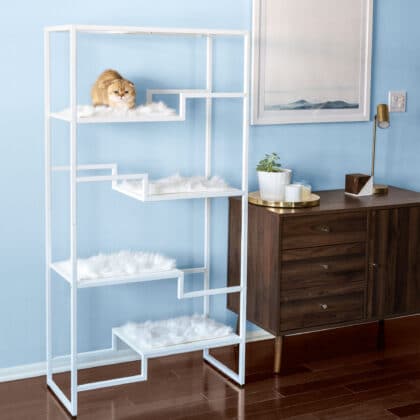
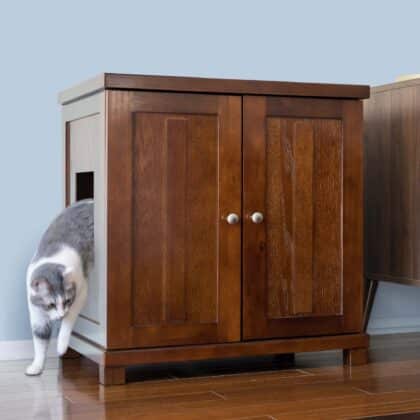
Make your home more senior-friendly with simple adjustments. Add ramps or steps to help your cat reach favorite perches without painful jumping. Place extra litter boxes on each floor to reduce travel distances.
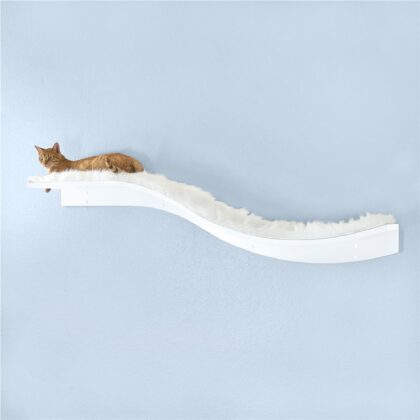
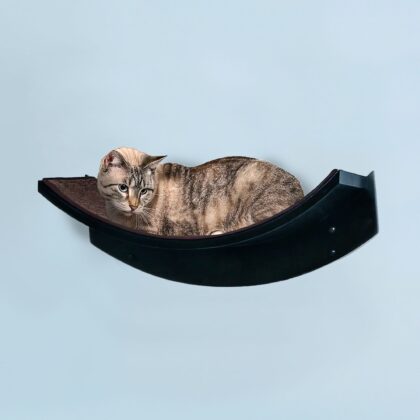
Create multiple cozy resting spots with soft, warm bedding. Senior cats appreciate heated beds or areas near (but not too close to) heating vents. These modifications support both physical comfort and emotional well-being.
Nutrition and Exercise Adaptations
Senior cat care includes dietary adjustments to support aging bodies. Your veterinarian might recommend senior-specific foods with joint-supporting ingredients or easily digestible proteins.
Encourage gentle exercise through interactive play sessions. Use wand toys to entice movement without demanding high-energy acrobatics. Short, frequent play sessions work better than marathon games for geriatric cats.
Final Thoughts
Next time you notice your senior cat moving a little slower or sleeping a little longer, remember: they’re not giving up on life. They’re just rewriting the rules to fit their changing needs. Your job isn’t to make them young again, but to help them age with dignity, comfort, and all the love they’ve earned through years of faithful companionship.
Frequently Asked Questions
Q. At what age should I start considering my cat a senior and adjusting their care routine?
Most cats enter their senior years around age 7, though some don’t show signs until 10 or older. Senior cat care becomes important when you notice changes in activity levels, sleep patterns, or mobility. Each geriatric cat ages differently, so focus on individual behavior changes rather than strict age guidelines. Start making gentle adjustments to their environment and routine as soon as you observe age-related shifts.
Q. How can I tell if my cat’s behavior changes are normal aging or signs of illness?
Normal aging includes increased sleeping, reduced jumping, and a preference for routine, while sudden, dramatic changes warrant veterinary attention. Cat behavior shifts should be gradual: rapid personality changes, hiding, or obvious pain signals need immediate evaluation. Document when changes started and their frequency to help your veterinarian assess whether it’s normal aging or underlying health issues. Trust your instincts about what seems “off” for your individual cat.
Q. What are the most common signs of cat arthritis in senior cats?
Cat arthritis typically manifests as hesitation before jumping, avoiding high surfaces, or taking longer routes to favorite spots. You might notice your geriatric cat moving more slowly after naps, showing stiffness in their gait, or avoiding activities they once enjoyed. Many cats with arthritis stop using tall scratching posts or seem reluctant to climb stairs. Unlike dogs, cats hide arthritis pain well, so subtle behavior changes are often the primary indicators.
Q. Should I be worried if my senior cat has become more vocal or clingy?
Increased vocalization in senior cat care situations is often normal, as older cats may seek more attention or express needs differently. Some geriatric cats become more social and affectionate, wanting extra comfort from their favorite humans. However, excessive nighttime yowling or dramatic personality shifts could indicate discomfort or cognitive changes. Monitor the context and frequency; occasional increased chattiness is usually fine, but persistent distress calls need veterinary evaluation.
Q. How can I make my home more comfortable for my aging cat?
Senior cat care includes adding ramps or steps to favorite perches, placing extra litter boxes on each floor, and creating multiple warm resting spots. Provide soft, heated bedding in quiet areas where your geriatric cat can rest undisturbed. Consider raising food and water bowls slightly to reduce neck strain during meals. These simple environmental modifications support both physical comfort and emotional well-being as your cat ages.
Q. When should I schedule more frequent vet visits for my senior cat?
Most veterinarians recommend twice-yearly checkups for cats over 7 years old, as senior cat care requires more monitoring than younger cats need. Schedule immediate visits for sudden behavior changes, appetite loss, litter box issues, or obvious discomfort signs. Regular wellness exams help catch age-related conditions like cat arthritis, dental problems, or organ dysfunction early. Preventive care becomes increasingly important as your geriatric cat ages, making consistent veterinary relationships essential.