

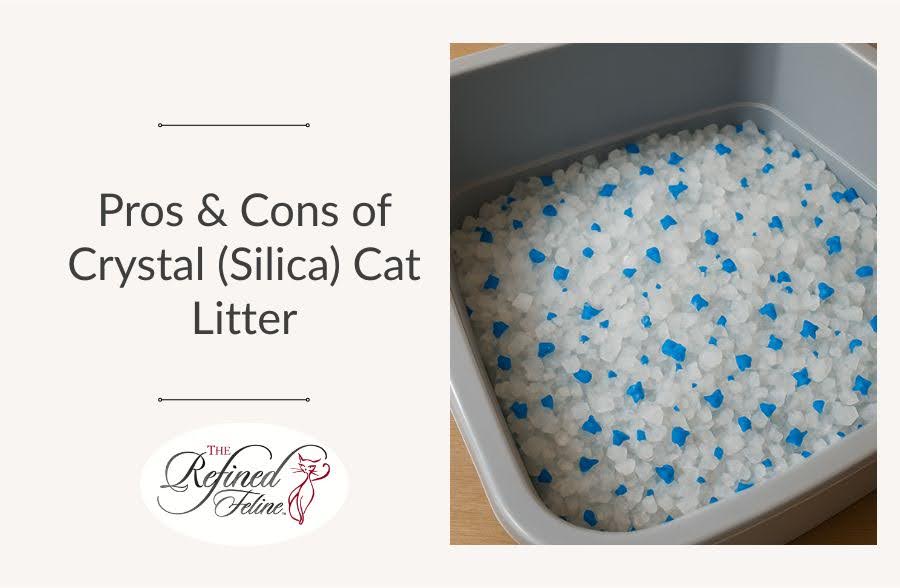
Pros & Cons of Crystal Silica Cat Litter
Crystal cat litter has become one of the most talked-about alternatives to traditional clay, and for good reason. Made from silica gel, crystal litter absorbs moisture on contact and locks in odor without clumping. If you’ve been curious about making the switch or wondering whether silica cat litter is actually safe for your cat, this guide covers everything you need to know.
What Is Crystal Cat Litter?
Crystal litter is made from silica gel, the same highly porous material found in those small desiccant packets labeled “do not eat.” In cat litter form, silica gel is processed into lightweight beads or crystals designed to absorb liquid and trap odor-causing compounds like ammonia.
When your cat uses the box, the crystals absorb urine almost instantly instead of forming clumps. Solid waste still needs to be scooped daily, but the crystals themselves only need full replacement every three to four weeks for a single cat. Silica litter produces significantly less dust than clay alternatives, which makes it a popular option for cats and owners with respiratory sensitivities.
Is Crystal Litter Safe for Cats?
For most adult cats, crystal litter is considered safe. Silica gel is non-toxic and chemically inert, meaning it passes through the digestive system without being absorbed if a small amount is accidentally ingested. Veterinary sources generally classify silica gel cat litter as safe for regular use when the product is used as directed.
The primary safety concern involves kittens under four months old, who may try to nibble or ingest the crystals out of curiosity. Swallowed beads can potentially cause mild digestive upset or, in rare cases, intestinal blockage. If you have young kittens, supervise their litter box use closely or wait until they’re older before introducing crystal litter. Cats who have a known habit of eating litter should also be monitored, and a veterinary consultation is recommended before switching.
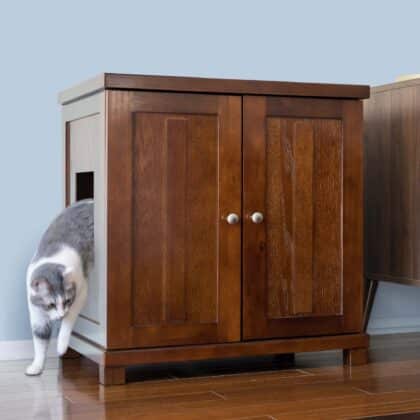
Refined Cat Litter Box Deluxe
$199.99 – $349.99
Benefits of Crystal Cat Litter
Crystal litter offers several practical advantages that make daily litter box maintenance easier. Here’s why many cat parents choose silica litter over traditional options.
Check our: Cat Litter Box Furniture
Superior Odor Control
Silica beads absorb moisture and trap ammonia at the source rather than simply masking the smell. Paired with a self-cleaning litter box that cycles after each use, odor management becomes nearly effortless. For an added layer of freshness, a hidden litter box cabinet with ventilation slots and optional carbon filters keeps everything contained and out of sight.
Low Dust
One of the biggest complaints about clay litter is airborne dust during pouring and digging. Crystal litter produces significantly less dust, which benefits cats prone to sneezing or respiratory issues and keeps the area around the litter box enclosure cleaner.
Lightweight and Long-Lasting
A single fill of crystal litter can last three to four weeks for one cat, compared to more frequent changes with clay. The lightweight beads are also easier to carry and store, which is a practical advantage for anyone managing multiple litter stations.
Less Tracking
Silica beads are larger and smoother than fine clay granules, so they’re less likely to stick to paws and scatter across your floors. Pairing a crystal litter with a litter catch tray at the box entrance reduces tracking even further.
Compatible With Self-Cleaning Litter Boxes
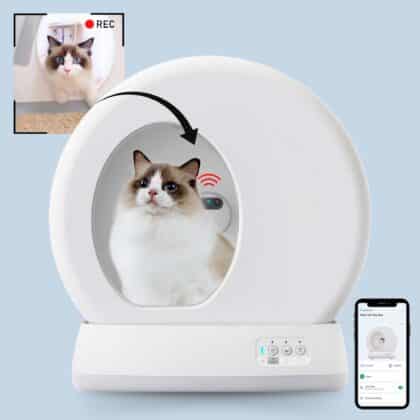
Crystal litter works well with automated systems because it doesn’t clump or clog mechanical parts. The non-clumping formula allows for smoother sifting in rotating drum designs like the UBPET Pro Self-Cleaning Litter Box, which detects usage, tracks health metrics, and cleans automatically through an app.
Drawbacks of Crystal Litter
No litter type is perfect for every cat or every household. Here are the potential downsides to consider before switching.
Texture Sensitivity
Some cats dislike the feel of silica beads under their paws. The crystals are coarser than fine-grain clay, and cats with sensitive feet may avoid the box entirely. If your cat starts eliminating outside the litter box after a switch, texture aversion is a likely cause. Mixing crystal litter with your cat’s current litter during a gradual transition can help.
No Clumping
Crystal litter absorbs rather than clumps, which means you won’t see visible urine spots to scoop. For owners accustomed to daily clump removal, the lack of visual feedback can feel unfamiliar. Stirring the crystals regularly helps distribute saturation evenly and extends the life of each fill.
Higher Upfront Cost
Crystal litter typically costs more per bag than standard clay. However, because each fill lasts longer, the overall monthly expense often balances out. Multi-cat households will go through litter faster and may notice the price difference more.
Full Tray Replacement
Rather than scooping and topping off, crystal litter requires a complete tray change once the crystals are saturated. Missing the replacement window can lead to a sudden spike in odor. Setting a calendar reminder or using a smart litter box that tracks usage helps prevent this.
How to Switch to Crystal Litter
Cats are creatures of habit, and abrupt litter changes can cause box avoidance. A gradual transition over seven to ten days works best. Start by mixing about 25% crystal litter with your current litter and increase the ratio every few days. Keep the box in its usual location and monitor your cat’s behavior throughout the process. Positive reinforcement with treats after successful box use can help smooth the adjustment.
Related: 7 Ways to Keep Your Cat’s Litter Box Smelling Fresh
Shop the Collection
From elegant litter box cabinets that hide the box in plain sight to self-cleaning systems that handle the dirty work for you, our litter box furniture is designed to make life easier for you and more comfortable for your cat.
Shop the collection and find the setup that fits your home.
FAQ
Q. Is crystal litter bad for cats?
Crystal litter is not bad for most cats. Silica gel is non-toxic and produces very little dust, making it a safe option for the majority of adult cats. The main concern is ingestion, particularly with kittens or cats who have a habit of eating litter. If your cat uses the box normally without trying to eat the crystals, silica litter is generally considered safe for long-term use.
Q. What is a silica gel packet, and is cat litter the same thing?
Silica gel packets are small desiccant sachets used in packaging to absorb moisture and prevent spoilage. Crystal cat litter uses the same base material, silica dioxide, but is manufactured in larger bead form specifically for absorbing liquid and controlling odor in litter boxes. Both are non-toxic, which is why the “do not eat” label on packets is a choking precaution rather than a toxicity warning.
Q. How often should I change the crystal cat litter?
For a single cat, a full tray of crystal litter typically lasts three to four weeks. Solid waste should still be scooped daily, and stirring the crystals every day or two helps distribute moisture evenly. Multi-cat households will need to replace the litter more frequently. When the crystals turn yellow or stop absorbing effectively, it’s time for a full change.
Q. Can I use crystal litter in a self-cleaning litter box?
Yes. Crystal litter is compatible with many self-cleaning systems, particularly those that use rotating or sifting mechanisms rather than clump detection. Non-clumping silica flows smoothly through grates without clogging. Always check your specific litter box manufacturer’s recommendations for compatible litter types.
Q. Why does my cat avoid crystal litter?
Cats may avoid crystal litter because of the texture. Silica beads feel different underfoot than fine clay or natural litter, and some cats find the coarser surface uncomfortable. A gradual transition mixing crystal litter with your existing litter over seven to ten days gives your cat time to adjust. If avoidance continues, your cat may simply prefer a softer litter type.
Q. Is silicone cat litter the same as silica cat litter?
“Silicone cat litter” is a common misnomer. Crystal cat litter is made from silica gel (silicon dioxide), not silicone, which is a rubber-like synthetic material used in kitchenware and medical devices. When people search for silicone cat litter, they’re almost always referring to silica gel crystal litter.