

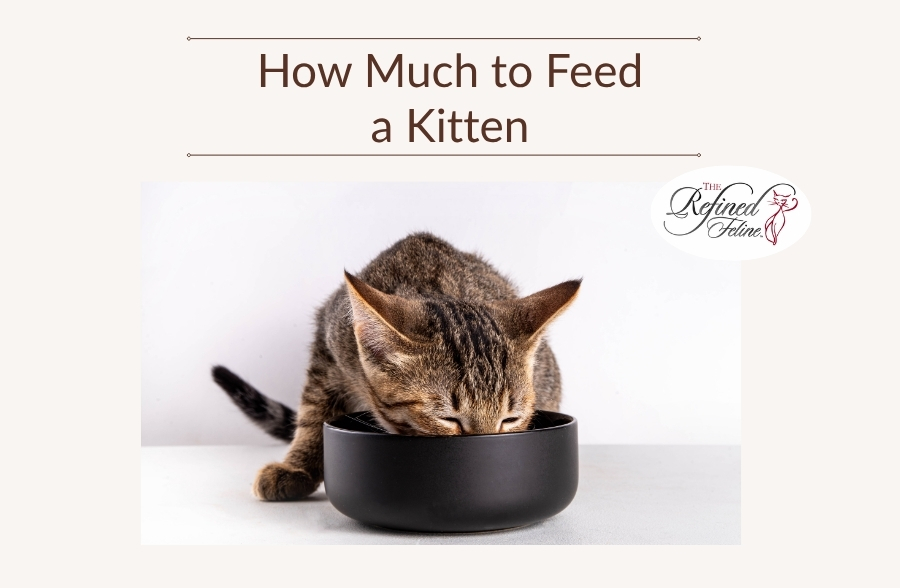
How Much to Feed a Kitten
Bringing a kitten home means learning a whole new feeding routine. Kittens grow fast, and their nutritional needs shift rapidly during the first year of life. Getting the right amount of food at the right frequency sets the foundation for a healthy, happy adult cat.
Here is everything you need to know about how much to feed a kitten, from the first weeks through their first birthday.
Kitten Feeding Chart by Age
Nutritional needs change as kittens grow. Here is a general guide for daily feeding amounts and meal frequency at each stage.
| Age | Weight | Daily Food Amount | Meals Per Day |
| 4 to 8 weeks | 1 to 2 lbs | Small amounts of wet food or moistened kibble | 4 to 5 |
| 8 to 12 weeks | 2 to 3 lbs | 1/4 to 1/2 cup dry or 1 to 1.5 cans wet | 3 to 4 |
| 3 to 6 months | 3 to 5 lbs | 1/3 to 2/3 cup dry or 1.5 to 2 cans wet | 3 |
| 6 to 9 months | 5 to 8 lbs | 1/3 to 2/3 cup dry or 2 to 3 cans wet | 2 to 3 |
| 9 to 12 months | 7 to 10 lbs | 1/4 to 3/4 cup dry or 2 to 3 cans wet | 2 |
Exact portions vary by brand, formula, and calorie density. Always check the feeding guide on your kitten’s food packaging and adjust based on your kitten’s body condition.
When to Start Feeding Kittens Solid Food
Kittens nurse from their mother during the first few weeks of life. Around 3 to 4 weeks of age, they begin showing interest in solid food. At this stage, you can offer small amounts of wet kitten food or dry kibble softened with warm water.
Weaning is typically complete by 7 to 8 weeks. Once fully weaned, kittens should eat a diet formulated specifically for kittens, which provides higher levels of protein, fat, and essential nutrients like DHA for brain and vision development.
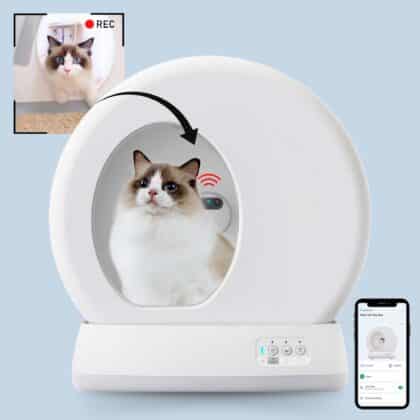
If you are caring for an orphaned kitten who needs formula, consult your veterinarian for a feeding schedule tailored to their age and weight. A clean, comfortable litter setup nearby helps kittens begin litter training around the same time they start eating solid food.
Wet Food vs. Dry Food for Kittens
Both wet and dry kitten food have benefits, and many veterinarians recommend offering a combination of both.
Wet Kitten Food
Wet food has a high moisture content, which helps keep kittens well-hydrated. The soft texture is easy for young kittens to chew and swallow, making it a natural first solid food. Wet food also tends to be more aromatic, which can encourage picky eaters.
Dry Kitten Food
Dry kibble supports dental health as kittens chew the hard pieces, helping to reduce plaque buildup. Kibble is convenient for measured feeding and can be left out for short periods without spoiling. Dry food also works well in puzzle feeders and food-dispensing toys that encourage mental stimulation.
A mix of both formats gives your kitten the hydration benefits of wet food and the dental advantages of dry kibble.
How Often to Feed a Kitten
Younger kittens need more frequent meals because their stomachs are small and their energy demands are high. As they grow, meal frequency gradually decreases.
- 4 to 12 weeks: 3 to 4 meals per day
- 3 to 6 months: 3 meals per day
- 6 to 12 months: 2 meals per day
Keeping a consistent feeding schedule helps your kitten feel secure and supports healthy digestion. Feeding at the same time each day builds routine, which cats naturally appreciate.
Placing the food bowl in a quiet, designated area away from the litter box encourages good eating habits. Cats instinctively prefer distance between where they eat and where they eliminate.
What to Look for in Kitten Food
A high-quality kitten food should be labeled “complete and balanced” for growth, meeting AAFCO nutritional standards. Key nutrients to look for include high-quality animal protein as the first ingredient, omega-3 fatty acids (particularly DHA) for brain and eye development, calcium and phosphorus for strong bones and teeth, and vitamins E and C for immune support.
Avoid foods with excessive fillers, artificial colors, or unnamed protein sources. Your veterinarian can help you choose a formula that fits your kitten’s specific needs.
Treats and Snacks for Kittens
Treats are a wonderful way to bond with your kitten and reinforce positive behaviors like using the litter box or a scratching post. However, treats should make up no more than 10 percent of your kitten’s daily calorie intake.
When you offer treats, reduce the main meal by an equal amount to prevent overfeeding. Cat treats are calorie-dense and not nutritionally complete, so they work best as occasional rewards rather than a regular part of the diet.
Signs You Are Feeding the Right Amount
A well-fed kitten is energetic, growing steadily, and has a healthy coat. You should be able to feel your kitten’s ribs with a thin layer of fat covering them. A visible waist when viewed from above and a slight tummy tuck from the side both indicate a healthy body condition.
If your kitten is gaining weight too quickly, reduce portions slightly and increase play time. If your kitten seems thin, lethargic, or uninterested in food, a vet visit can rule out underlying health issues.
Monitoring litter box habits also provides clues about digestive health. Regular, firm stools indicate that your kitten is digesting food well. A self-cleaning litter box that tracks usage patterns can help you spot changes early.
Transitioning to Adult Cat Food
Most kittens are ready to switch to adult cat food around 12 months of age. Transition gradually over 7 to 10 days by mixing increasing amounts of adult food into the kitten formula.
Start with about 25 percent adult food and 75 percent kitten food. Increase the ratio every two to three days until the switch is complete. A slow transition prevents digestive upset and gives your cat time to adjust to the new taste and texture.
Join the Club
Feeding your kitten well during the first year builds the foundation for a long, healthy life together. If you are setting up your home for a new kitten, explore our full collection of modern cat furniture designed to support every stage of your cat’s life, from their first climb to their favorite afternoon nap spot.
Frequently Asked Questions
Q. How much wet food should a kitten eat per day?
A kitten between 8 and 12 weeks old typically eats 1 to 1.5 cans (3 oz each) of wet food per day, split across 3 to 4 meals. Amounts increase as the kitten grows. Always follow the feeding guide on your specific brand’s packaging.
Q. Can I leave dry kitten food out all day?
You can leave a small amount of dry kibble out for your kitten to graze on during the day. However, measured meals at set times are better for monitoring intake and preventing overeating, especially as your kitten approaches adulthood.
Q. When should kittens stop eating kitten food?
Most cats should transition from kitten food to adult cat food at around 12 months of age. Large breeds like Maine Coons may benefit from staying on kitten food slightly longer, so consult your vet for personalized guidance.
Q. How do I know if my kitten is eating enough?
A healthy kitten is active, gaining weight steadily, and has a shiny coat. If you can feel the ribs with a thin fat layer and see a slight waist, your kitten is likely eating the right amount.
Q. Should I feed my kitten wet food, dry food, or both?
A combination of both is ideal. Wet food provides hydration and palatability, while dry food supports dental health and offers convenient portioning. Many veterinarians recommend a mix for balanced nutrition.
Q. What should I do if my kitten refuses to eat?
A kitten who skips a meal occasionally is not usually cause for concern. If your kitten refuses food for more than 24 hours or shows signs of illness like lethargy, vomiting, or diarrhea, contact your vet right away. Kittens are more vulnerable to dehydration than adult cats.