

How Do I Get My Cat to Stop Biting and Scratching?
If your cat has been nipping at your hands or clawing up the couch, you are not alone, and you are not doing anything wrong. Biting and scratching are two of the most common behavioral concerns among cat parents. The good news? Your cat is simply trying to communicate, and once you understand the message, the solution becomes much clearer.
Why Does My Cat Bite Me?
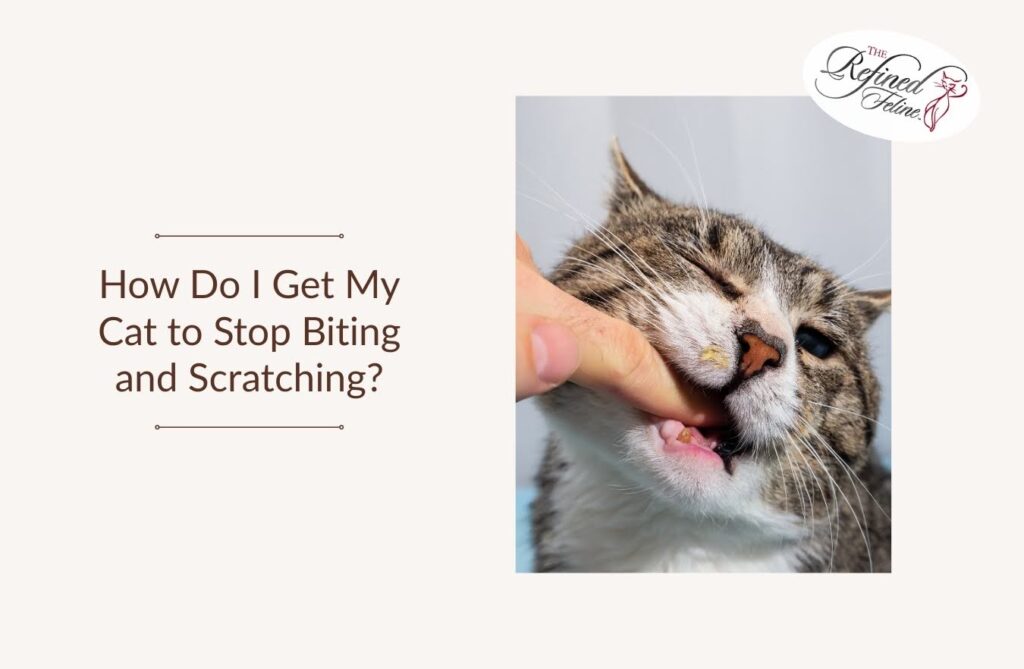
Cat biting is a form of communication, not a sign of a “bad” cat. Cats use their teeth to express everything from affection to overstimulation.
One common reason is petting-induced overstimulation. Your cat may enjoy a few strokes, but after a certain point, the sensation becomes too intense. A bite is your cat’s way of saying “that’s enough.” Watch for warning signs like tail flicking, ears turning sideways, or skin rippling along the back.
Fear, Stress, and Boredom
Cats who feel cornered or threatened may resort to biting as a defense. Loud noises, unfamiliar visitors, or sudden environmental changes can trigger a stress response. Providing a modern cat tree with elevated perches and a cozy cubby gives your cat a secure retreat when the world feels overwhelming.
A cat with too much pent-up energy may also target your hands and feet during play. Daily interactive sessions of 10 to 15 minutes with wand toys and feather teasers can channel that predatory energy in a healthy direction.
Pain or Illness
Sudden biting that seems out of character could signal an underlying health issue. If your normally gentle cat starts snapping when you touch a certain area, a vet visit is in order. Conditions like dental disease, arthritis, or skin irritation can all cause defensive biting.
Why Does My Cat Scratch Everything?
Scratching is one of the most natural and necessary behaviors for cats. A cat who scratches is not being destructive on purpose, and understanding why helps you guide them toward better habits.
Claw Maintenance and Stretching
Cats scratch to shed the outer sheaths of their claws and stretch the muscles in their shoulders, legs, and paws. A tall scratching post gives your cat the height they need for a full-body stretch while protecting your furniture.
Territory Marking
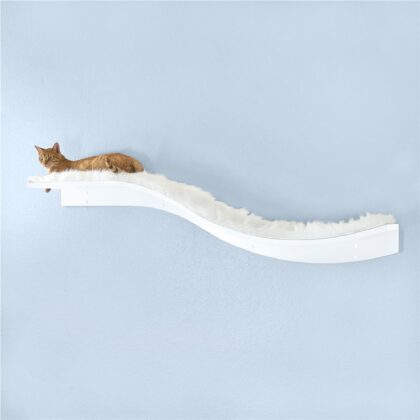
Scent glands in your cat’s paws leave behind invisible markers every time they scratch a surface. In multi-cat homes, providing wall-mounted cat shelves and multiple scratching surfaces reduces territorial tension and gives each cat their own space to claim.
Emotional Release
Cats often scratch when they wake up, after eating, or when feeling excited. Scratching simply feels good. Punishing this behavior can increase anxiety and lead to even more destructive habits.
How to Stop Your Cat From Biting and Scratching
Changing your cat’s behavior takes patience, consistency, and understanding. Here are proven strategies that work without causing stress or fear.
Redirect, Never Punish
When your cat bites during play, calmly stop the interaction and offer a toy instead. Cats do not connect punishment with behavior, so yelling only damages your bond. If your cat is scratching furniture instead of a post, gently guide them toward the correct surface and reward them with a treat.
Create a Calm Environment
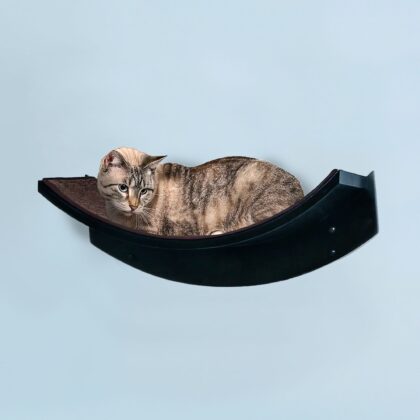
Stress triggers both biting and scratching. Make sure your cat has access to quiet hiding spots, elevated perches, and a consistent daily routine. A curved wall shelf near a window offers a peaceful retreat where your cat can observe the world from a safe height.
Provide Enough Enrichment
A well-enriched environment is your best defense against unwanted behavior. Cats need vertical space to climb, cozy spots to nap, and satisfying surfaces to scratch. Pairing a modern cat tower with floating wall perches creates an engaging indoor environment that keeps your cat stimulated and active.
Read Your Cat’s Body Language
Most bites happen because we miss the signals our cats send. Flattened ears, dilated pupils, a twitching tail, and pulled-back whiskers all indicate your cat is approaching their limit. Paying attention and stepping back builds trust over time. For more insight, our guide on understanding why cats fight offers helpful cues on reading feline body language.
Keep Claws Trimmed
Regular nail trimming reduces the impact of accidental scratches. Pair trimming with proper scratching post training so your cat always has an appropriate place to maintain their claws naturally.
When to See a Vet
If your cat’s biting or scratching has changed suddenly, or if nothing you try seems to help, schedule a veterinary appointment. Pain, hormonal imbalances, and neurological conditions can all drive aggressive behavior. Your vet may refer you to a feline behaviorist for more targeted guidance.
Shop the Collection
You know your cat better than anyone, and the fact that you are here means you care deeply about their well-being. A few thoughtful changes to your home, like adding climbing spaces, dedicated scratching surfaces, and cozy retreats, can transform your cat’s behavior and bring more peace to your daily life together. Your cat is not trying to be difficult. With patience and the right cat furniture for your home, you can both enjoy a calmer, happier life side by side.
Frequently Asked Questions
Q. How do I stop my cat from biting my hands during play?
Stop using your hands as toys immediately. When your cat bites, freeze and withdraw slowly. Offer a wand toy instead. Consistent redirection teaches your cat that toys are for biting, not fingers.
Q. Why does my cat scratch the couch instead of the scratching post?
Your cat may prefer a different texture, angle, or location. Place the scratching post next to the furniture being scratched and sprinkle catnip on it. Once your cat starts using it, gradually move the post to your preferred spot.
Q. Can I train an older cat to stop biting and scratching?
Yes. Older cats respond well to positive reinforcement, though it may take longer than with kittens. Reward gentle behavior with treats and praise. Patience and consistency matter more than age.
Q. Is it normal for cats to bite when being petted?
Petting-induced biting, sometimes called a “love bite,” is very common. Your cat is communicating that they have had enough stimulation. Watch for early body language cues and stop petting before they reach their limit.
Q. Should I declaw my cat to stop scratching?
No. Declawing removes the last bone of each toe and can cause chronic pain and behavioral issues. Providing proper scratching alternatives and regular nail trims are humane, effective solutions.
Q. When should I take my cat to the vet for biting or scratching?
Visit the vet if the behavior starts suddenly, increases in intensity, or targets a specific body area. Pain, illness, or hormonal changes could be driving the behavior, and early intervention leads to better outcomes.