

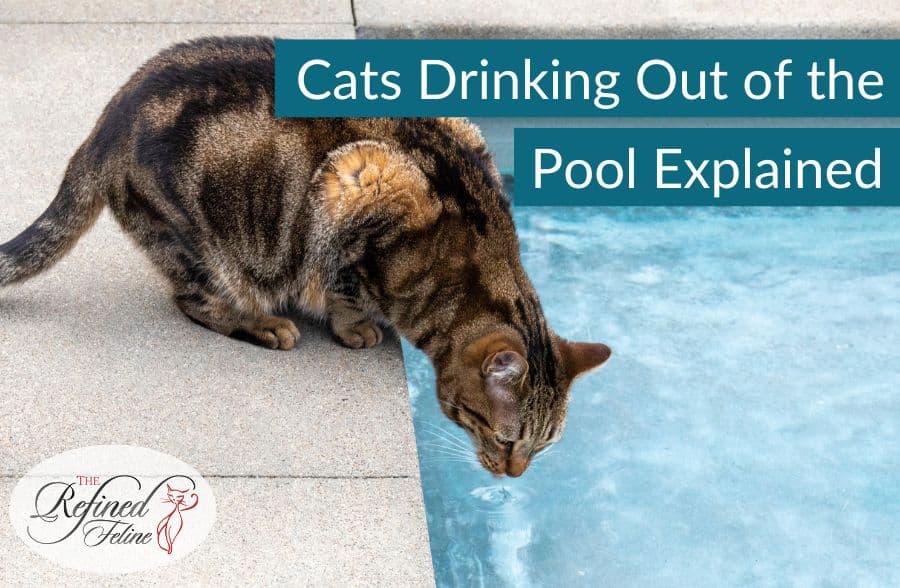
Cats Drinking Out of the Pool Explained
As summer rolls in and families start spending more time by the pool, you might notice a peculiar habit developing in your feline friend: your cat may begin to drink from the pool. While this might seem like a quirky or harmless behavior, it can have underlying causes and potential health risks that need addressing. The Refined Feline delves into why cats may be drawn to your pool for their water needs and how you can redirect this behavior to keep them safe and hydrated.
The Curious Case of Cats and Pool Water
First, it’s important to understand why a cat might choose the pool as a drinking source over its water bowl. Several factors could be contributing to this behavior:
1. Freshness and Taste
Cats have a keen sense of taste and smell, and chlorinated water might oddly seem fresher or more appealing than the water in their bowls, especially if the water bowl isn’t cleaned regularly. Stagnant or old water in their usual drinking spot might push them to look for alternatives.
2. Temperature
During hot days, the pool water may be cooler than the water in their bowl, especially if the bowl is located indoors or in a warm area. Cats prefer cool water, which is more refreshing and helps them regulate their body temperature better.
3. Instinctual Preferences
Cats are instinctively attracted to running or rippling water, which in the wild signals freshness and safety from pollutants. The slight movements of pool water, possibly caused by wind or filtration systems, might trigger this preference.
Health Risks Associated with Drinking Pool Water
While it might seem harmless, drinking pool water can pose several health risks to cats:
1. Chemicals and Chlorine
Most pools are treated with chlorine and other chemicals to keep the water clean and safe for human use. However, these chemicals are not safe for consumption, especially not in the quantities that exist in pool water. Ingesting chlorinated water can lead to gastrointestinal upset in cats, including nausea, vomiting, and diarrhea.
2. Bacteria and Algae
Despite the use of chlorine, pools can still harbor bacteria, algae, and other microorganisms that might not be harmful to humans but can cause health issues in cats. This is particularly true for pools that are not regularly cleaned or properly maintained.
3. Saltwater Pools
If your pool is a saltwater pool, it poses a different risk. While less chemically harsh, the high salt content can lead to dehydration and other salt-related health issues in cats if consumed in large amounts.
How to Discourage Your Cat from Drinking Pool Water
To prevent your cat from drinking pool water, consider the following strategies:
1. Provide an Appealing Alternative
Make sure your cat has access to fresh, clean water at all times. Consider investing in a cat water fountain, which keeps water circulating and fresh, making it more appealing to cats. This mimics the rippling effect of pool water naturally and safely. Products like those from The Refined Feline can also offer stylish and practical solutions that encourage your cat to drink more water through innovative design.
2. Regularly Change the Water
Change the water in your cat’s bowl at least once a day and clean the bowl regularly to prevent the buildup of bacteria and food residue. This ensures the water is always fresh and tasty.
3. Limit Access to the Pool
When unsupervised, try to limit your cat’s access to the pool area. This could involve physical barriers or providing a cat-friendly outdoor enclosure like a catio that allows them to enjoy the outdoors without getting into the pool.
4. Encourage Indoor Play
Keep your cat stimulated with indoor play to reduce their curiosity about the pool. Use toys, climbing structures, and regular playtime to keep them engaged and entertained away from potential hazards.
5. Check for Underlying Health Issues
Excessive drinking, from the pool or otherwise, can sometimes be a sign of underlying health issues like kidney disease or diabetes. If you notice your cat drinking more than usual, a visit to the veterinarian is warranted to rule out medical causes.
Enhancing Your Cat’s Hydration Habits
Maintaining your cat’s hydration is crucial, especially in the warmer months when dehydration risks increase. Here’s how you can further encourage healthy drinking habits in your feline friend:
6. Multiple Water Stations
Cats may be more inclined to drink water if there are multiple water stations available throughout the home. This is particularly effective for homes with multiple floors or larger areas where a single water source may not be enticing enough to warrant a trip. Place water bowls in quiet, safe corners that your cat frequents.
7. Experiment with Bowl Types and Locations
Cats can be particular not only about the water they drink but also where it’s placed and what it’s placed in. Some cats prefer ceramic bowls over metal ones, or vice versa, due to taste, temperature retention, or even allergic reactions. Others may be influenced by the bowl’s location; a busy area might deter a more timid cat from drinking regularly. Experiment with different scenarios to find what your cat prefers.
8. Flavoring the Water
To make the water more enticing, consider adding a flavor to it. This can be especially useful for cats that are reluctant to drink enough water. Tuna juice, chicken broth, or commercial cat water additives can encourage your cat to hydrate more frequently. Ensure any broth is low in sodium and free from onions, garlic, and other ingredients that are harmful to cats.
9. Routine Refreshment
Make it a part of your daily routine to refresh the water in all bowls. Cats are more likely to drink from a bowl with fresh water rather than from one that has been sitting out and possibly collecting dust or debris. Setting specific times for refreshing water bowls ensures consistency, which can help in forming good hydration habits.
10. Educational Engagement
Educate yourself and your family about the signs of dehydration in cats, which can include lethargy, dry mouth, and decreased skin elasticity. Knowing these signs can help you act swiftly if your cat isn’t getting enough fluids, potentially preventing serious health issues.
The Role of The Refined Feline in Promoting Hydration
Integrating products from The Refined Feline can add an element of style and functionality that supports your efforts in keeping your cat well-hydrated.
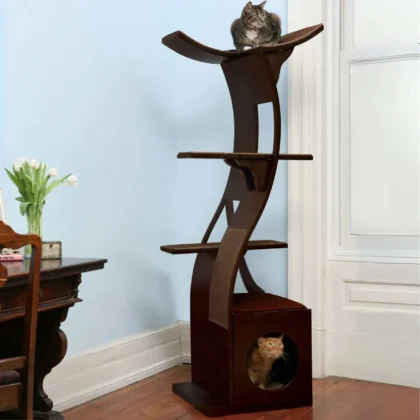
Consider multi-functional furniture pieces that combine hydration stations with leisure areas. For example, a cat tower with integrated water dishes at various levels can encourage exploration and drinking. The Refined Feline’s innovative designs can incorporate these elements seamlessly, ensuring they meet your cat’s needs while fitting beautifully into your living space.
Related: 8 Modern Home Improvements You and Your Cat Will Love
Encouraging Good Hydration Habits
Creating an environment that encourages good hydration habits involves a combination of strategy, observation, and understanding of feline behavior. By using aesthetically pleasing and functional products from The Refined Feline, you provide your cat with enticing options that promote regular hydration.
Final Thoughts
Understanding why your cat might prefer to drink from unconventional sources like the pool is the first step in redirecting their habits towards safer, healthier options. By implementing the strategies discussed, you can ensure your cat stays hydrated, healthy, and far away from potentially hazardous drinking sources. Remember, each cat is unique, and finding the right combination of techniques and products that suits your cat’s preferences and your lifestyle is key to fostering a happy, hydrated pet.
Understanding the Risks When Cats Drink Pool Water
Many cat owners wonder, “can cats drink pool water safely?” The short answer is no—regular consumption poses health risks that shouldn’t be overlooked. When a cat drink pool water, they’re exposed to chemicals designed for human swimming, not feline consumption. Pool maintenance chemicals, while effective at keeping water clean for swimmers, can irritate your cat’s digestive system and cause symptoms ranging from mild stomach upset to more serious complications.
The question of whether is chlorine toxic to cats depends largely on concentration and frequency of exposure. While a single accidental lap of pool water typically won’t cause severe harm, repeated drinking sessions can lead to chemical buildup in your cat’s system. Chlorine and other pool treatment chemicals aren’t meant for ingestion, and cats who regularly cat drink pool water may develop chronic gastrointestinal irritation, dehydration, or electrolyte imbalances over time. Providing fresh, appealing water alternatives—such as fountains or multiple water stations—is the best way to discourage this risky behavior and protect your feline friend’s health.
FAQs
Q. Can cats drink pool water?
Small accidental licks of pool water are usually not an emergency, but cats should not drink pool water regularly. Chemicals and contaminants can irritate their digestive system and aren’t safe as a main water source.
Q. Can cats drink chlorine water or pool water with chlorine?
No, chlorine-treated pool water is not recommended for cats. Chlorine and other pool chemicals can cause stomach upset and, in larger amounts, may lead to more serious health issues.
Q. Can cats die from drinking pool water?
Occasional tiny sips are unlikely to be fatal, but drinking large amounts, especially from heavily treated or poorly balanced pools, can be dangerous. If your cat drinks a lot and shows vomiting, lethargy, or other unusual signs, contact your vet or an emergency clinic.
Q. How do I stop my cat from drinking pool water?
Offer fresher alternatives (like a water fountain), refresh bowls daily, provide multiple water stations, move bowls to cooler/shadier spots, and limit unsupervised access to the pool area with barriers or a catio.
Q. Is it safe for cats to drink pool water?
No, pool water is not safe for cats to drink regularly. Chlorine and other pool chemicals can irritate a cat’s digestive system, potentially causing vomiting and diarrhea. While small amounts might not cause immediate harm, continuous consumption can lead to health issues including chemical toxicity and electrolyte imbalances. Always provide your cat with fresh, clean water as an alternative.
Q. Why is my cat attracted to pool water?
Cats are attracted to pool water because they often prefer moving or novel water sources over still water in their bowls. Some cats are also drawn to the smell of chlorine, which contains compounds that resemble pheromones. Additionally, the cool temperature of pool water can be refreshing, especially during hot weather when cats seek ways to cool down.
Q. What happens if a cat drinks pool water?
If a cat drinks pool water, chlorine and chemicals can irritate the mouth, nose, throat, and stomach, potentially causing vomiting, diarrhea, drooling, or more serious illness if consumed in large amounts.
Q. Is it safe for cats to drink pool water?
No, it is not safe for cats to drink pool water because chlorine and other pool chemicals can be harmful if ingested, causing gastrointestinal irritation and other health issues.
Q. Why do cats like chlorine?
Cats like chlorine because it contains chemicals that mimic pheromones, triggering a hormone-based reaction similar to the effect of catnip, which stimulates pleasure receptors in their brain.
Q. Why do cats like the smell of chlorine?
Cats like the smell of chlorine because it mimics mating pheromones and creates a catnip-like high by activating happy receptors in their brain, leading to behaviors like rolling, rubbing, and purring.