


Cat Pooping on Floor Even Though He Knows How to Use the Litter Box
You walk into the living room, and there it is. A little “gift” on the floor, right next to a perfectly clean litter box. Your cat has used the box for months, maybe years. So why the floor now?
Take a breath. Your cat is not doing this out of spite. Cats do not poop outside the litter box for revenge. Something is telling him the box is no longer working, and the good news is that you can fix it.
Why Is Your Cat Pooping on the Floor Instead of the Litter Box?
When a litter-trained cat starts going on the floor, there is always a reason. Cats are creatures of habit, and breaking that habit signals a medical, environmental, or emotional problem.
Health Issues That Cause Litter Box Avoidance
A sudden change in bathroom habits should always prompt a vet visit. Medical conditions that may cause litter box avoidance include:
- Constipation or diarrhea, creating urgency or pain during elimination
- Arthritis in senior cats, making it painful to step into or squat in the box
- Inflammatory bowel disease or colitis, causing discomfort and unpredictable bowel movements
- Cognitive dysfunction in older cats, leading to confusion about where the box is
If your cat is straining, has blood in their stool, or shows changes in appetite, schedule a vet appointment right away.
Stress and Anxiety
Cats are sensitive to changes in their environment. A new baby, a new pet, a recent move, or even rearranging furniture can throw your cat off their routine.
Stressed cats often feel too anxious to enter the box, especially if it is in a busy or noisy area. Providing a covered litter box enclosure can help by creating a secure, private bathroom space. Calming pheromone diffusers and a consistent daily routine also go a long way.
A Dirty Litter Box
Would you want to use a restroom that nobody flushed? Neither does your cat. A dirty box is the most common reason cats start pooping elsewhere. What seems fine to you may be overwhelming to a cat’s powerful nose.
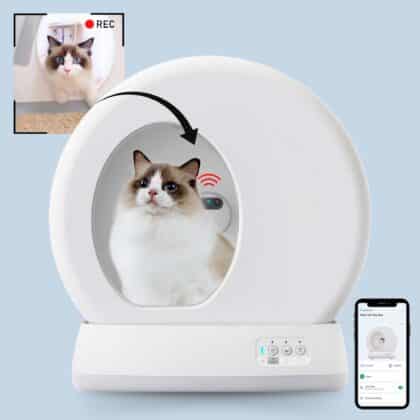
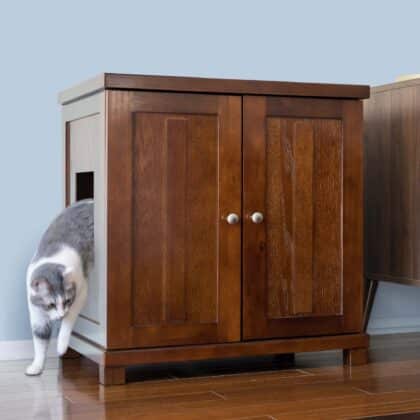
Scoop at least once a day. For a hands-free option, a self-cleaning litter box sifts waste automatically after each use. Pair it with a litter box cabinet to keep everything tucked away and odor-free. For more tips, check out our guide on keeping your litter box smelling clean.
How to Stop Your Cat From Pooping on the Floor
Once you have ruled out medical issues with your vet, address the environmental and behavioral factors. A few simple changes can make a world of difference.
Get the Litter Box Setup Right
The type of box, the litter, and the location all matter more than most cat parents realize.
- Use unscented, clumping litter with a fine or medium texture. Most cats prefer this and may reject heavily scented options.
- Keep the right amount of litter in the box, typically 2 to 3 inches. Too much makes the surface unstable, and too little prevents proper covering.
- Place the box in a quiet, low-traffic area where your cat feels safe. Avoid spots near loud appliances or food bowls.
For more placement strategies, our article on where to put a litter box covers 10 ideas that actually work.
Follow the One-Plus-One Rule
Have one litter box per cat, plus one extra. Spread them across different rooms so no single cat can block access. In multi-cat homes, resource guarding is a common cause of avoidance, and separate locations help prevent it.
Clean Up Accidents Thoroughly
If your cat has a favorite “alternative” spot, clean it with an enzyme-based cleaner. Standard cleaners may not fully eliminate the scent. After cleaning, place a water dish or citrus-scented cotton balls near the area to discourage repeat visits.
Create a Calm, Enriching Environment
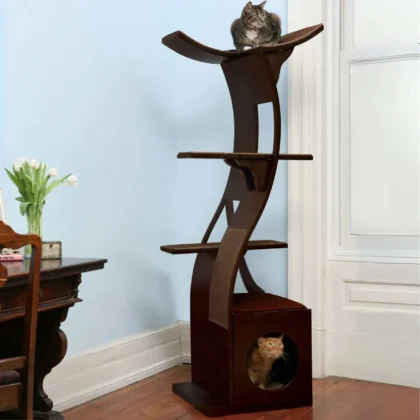
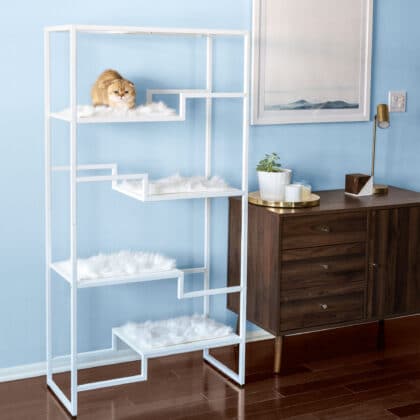
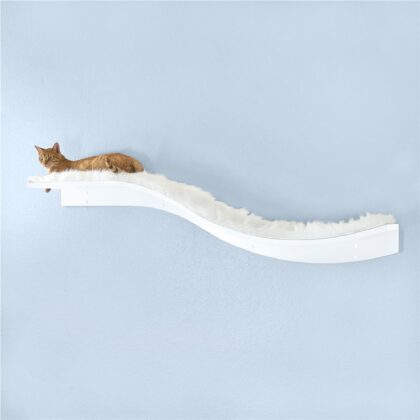
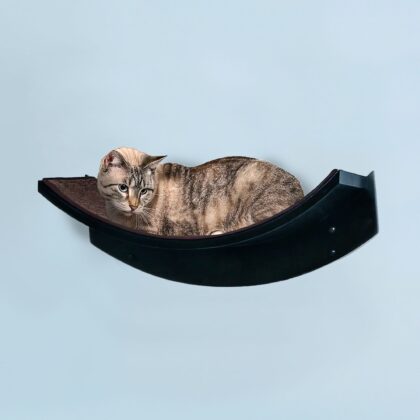
Stress reduction goes beyond the litter box. Give your cat vertical space to climb and observe their territory. A modern cat tree provides multiple levels for perching and retreating. Adding wall-mounted cat shelves or a floating cat perch expands their territory without taking up floor space.
When cats feel secure, litter box problems often resolve on their own. For a deeper dive, read our guide on improving the litter box experience.
Join the Club
Your cat is not broken, and neither is your bond. Litter box struggles are one of the most common challenges cat parents face, and with patience and a few thoughtful changes, your floors can be clean again.
Share this with a fellow cat parent who might need it. And if you are ready to give your cat a fresh start, browse our collection of cat-friendly furniture designed to make life with cats a little more beautiful.
Frequently Asked Questions
Q. Why does my cat pee in the litter box but poop on the floor?
Cats sometimes separate these habits because pooping requires more comfort. A box that feels too dirty, too small, or too exposed may be acceptable for quick urination but not for defecation. Upgrading to a larger, cleaner, or more private box often resolves the issue.
Q. Should I punish my cat for pooping outside the litter box?
No. Punishment increases fear and anxiety, making the problem worse. Cats do not connect punishment with past behavior. Focus on finding and fixing the underlying cause instead.
Q. Why is my cat pooping on the floor only at night?
Cats are more active at night, and nighttime accidents are common in senior cats with vision loss or cognitive decline. Place a nightlight near the litter box and keep pathways clear of obstacles.
Q. Can a new type of litter cause my cat to stop using the box?
Yes. Cats are particular about texture and scent. A sudden switch can cause avoidance. If you need to change, do so gradually by mixing old and new litter over 7 to 10 days.
Q. How often should I clean the litter box to prevent floor accidents?
Scoop at least once daily. Replace all litter and wash the box with mild, unscented soap every two to four weeks. Plastic boxes should be replaced annually, as scratches can harbor bacteria and odor.
Q. When should I take my cat to the vet for pooping outside the box?
Schedule a vet visit if the behavior is sudden, accompanied by stool changes, straining, blood in stool, decreased appetite, or unusual hiding. Medical causes should always be ruled out before assuming the issue is behavioral.