

Best Cat Trees for Large Cats That Are Sturdy, Stable, and Built to Last
If you have a large cat, you already know the struggle. Most cat trees wobble the moment your 15-pound Maine Coon takes a flying leap. Platforms are too small, posts are too thin, and the whole thing starts leaning sideways within months. Your big cat deserves better, and so does your living room.
Choosing the best cat trees for large cats comes down to a stable base, wide platforms, durable scratching surfaces, and quality materials that hold up over time.
Why Large Cats Need a Specially Designed Cat Tree
Standard cat trees are built for cats weighing 8 to 10 pounds. When a 15-pound-plus cat jumps onto a flimsy structure, the risk of tipping is real.
A wobbly cat tree is more than inconvenient. Cats are perceptive, and if a tree feels unsafe, they will stop using it entirely. You end up with wasted money while your cat claims your couch instead.
Large breeds like Maine Coons, Ragdolls, and Bengals need cat trees built with their size in mind. A proper cat tree for big cats offers reinforced bases, thick posts, and oversized platforms for full stretching and comfortable lounging.
Stability Is Non-Negotiable
A heavy, wide base prevents tipping during jumps. Floor levelers add security on uneven surfaces, and wall anchors provide extra peace of mind in multi-cat homes.
Spacious Platforms Make All the Difference
A platform measuring 20 inches or wider gives large cats room to turn around, curl up, or fully extend. Narrow perches force big cats into awkward positions, and most will avoid them altogether.
What to Look for in the Best Cat Trees for Large Cats
The right cat tree balances your cat’s needs with your home’s style. Here are the features that matter most.
Height and Multiple Levels
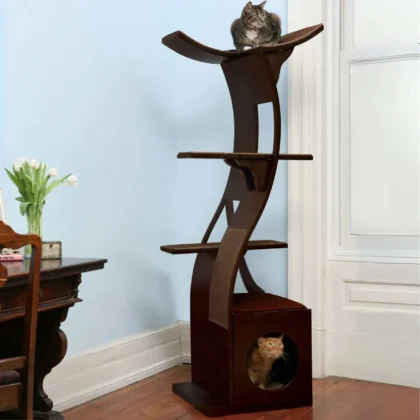
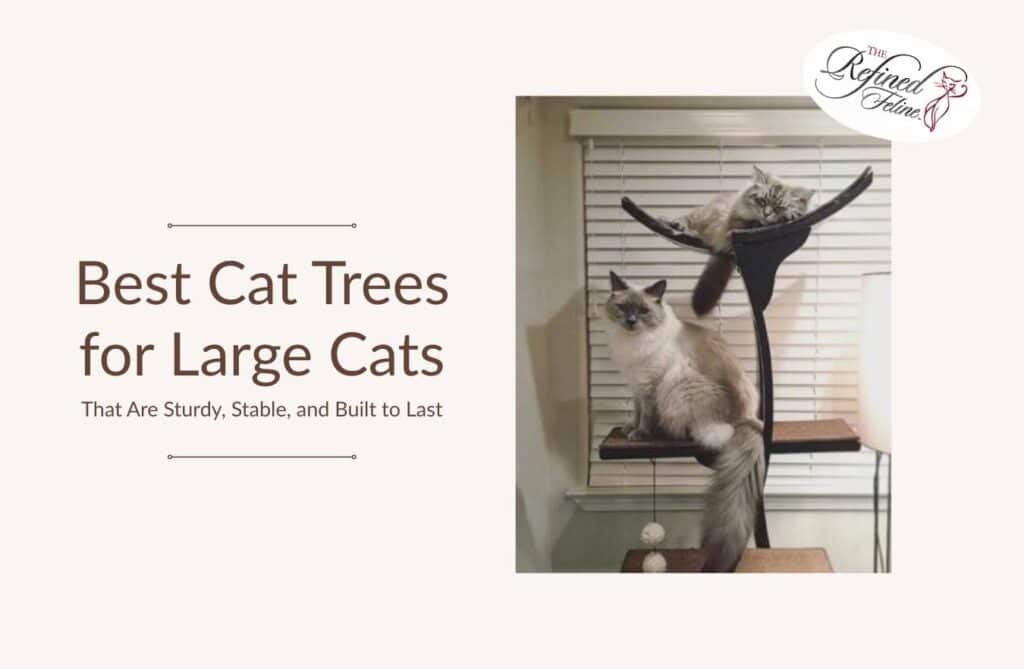
Cats are vertical thinkers. A tall cat tree satisfies their instinct to climb and survey territory from above. For large breeds, a tall modern cat tower standing 60 inches or higher gives them the vertical space they crave. Staggered platforms at varying heights create separate zones for playing, perching, and napping.
Sturdy Construction Materials
Wood and metal frames outperform particle board in both durability and stability. Solid wood with real oak or bent ply construction handles the weight of large, active cats without deteriorating. Quality construction means the tree stays looking great for years.
Durable Scratching Surfaces
Large cats scratch with more force. Sisal scratchpads made from heavy-duty materials stand up to vigorous sessions. Replaceable surfaces extend the life of your tree, so when a pad wears down, you swap it out rather than replacing the whole structure. With patience, you can easily train your cat to use a scratching post.
Comfortable Resting Spots
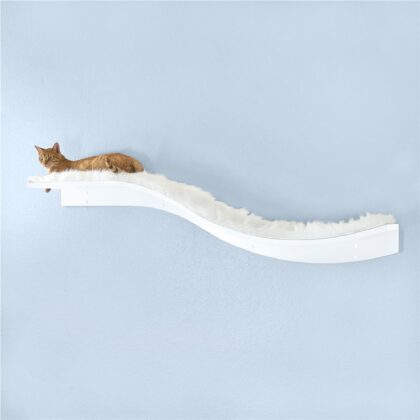
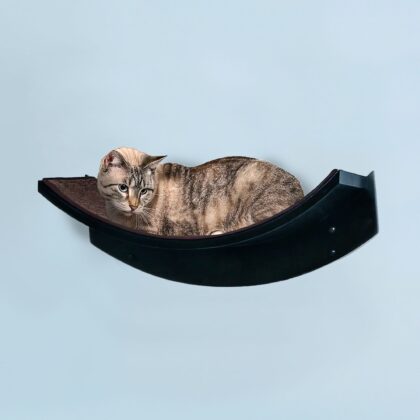
Ragdolls, Siberians, and other large breeds love sprawling out for naps. Platforms lined with berber carpet or soft faux fur offer a cozy resting surface with removable, washable coverings. A curved wall-mounted cat shelf paired with a tall tree creates even more lounging options.
How to Extend Your Cat’s Vertical Space
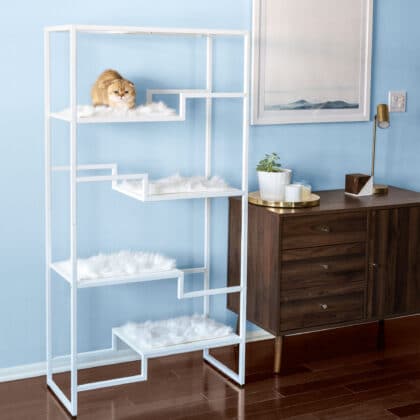
A single cat tree is a great start, but cats thrive with a connected vertical environment. Pairing a tall cat tower with floating wall shelves creates a climbing system that keeps your cat stimulated and active.
Wall-mounted perches give large cats additional territory without taking up floor space. Cats who move freely between levels are less likely to develop boredom-related behaviors. When creating a cat-friendly living space, place furniture along your cat’s natural pathways through the room.
Cat Tree Features That Complement Your Home
Gone are the days when cat furniture meant an ugly carpet-covered tower in the corner. Modern cat trees blend with contemporary décor while giving your cat everything they need. Clean lines, neutral wood finishes, and furniture-grade materials make a cat tree feel like a statement piece. Customizable options let you match frame colors and platform styles to your existing décor.
Replaceable Parts Save Money Long-Term
Premium cat trees with replaceable carpet pads, cushions, and sisal scratchpads last far longer than budget alternatives. You refresh the worn parts and keep the solid frame. A well-built wooden cat tower with replaceable coverings can serve your household for five to ten years.
Tips for Introducing a New Cat Tree
Even the best cat tree needs a proper introduction. Place it where your cat already hangs out, ideally near a window or in a room where the family spends time. Sprinkle catnip on the platforms or set a favorite treat on each level. Give your cat time to explore at their own pace, and most will warm up within a few days. For more helpful advice, check out this guide on introducing cats to new cat furniture.
Shop the Collection
Your large cat deserves a space that feels safe, comfortable, and exciting. A sturdy, well-designed cat tree is one of the best investments you can make for their happiness and your home’s style. Browse modern cat condos and towers built to support even the biggest, most adventurous felines, and give your cat the climb they have been dreaming about.
Frequently Asked Questions
Q. What weight can a sturdy cat tree support?
A well-built cat tree designed for large cats can support 30 pounds or more per platform. Solid wood or metal frames with reinforced bases provide the most reliable weight support.
Q. Are wall-mounted cat shelves safe for large cats?
Yes, when installed into wall studs with proper hardware. Quality cat wall shelves made from solid wood and bent ply hold even the heaviest cats securely.
Q. How tall should a cat tree be for a Maine Coon or Ragdoll?
At least 60 inches tall. Taller trees give big cats the high vantage point they naturally seek for surveying their environment and feeling secure.
Q. Can I combine a cat tree with wall shelves?
Absolutely. Placing wall-mounted shelves near a tall cat tower creates a connected climbing system, expanding your cat’s territory without using additional floor space.
Q. How often should I replace scratching surfaces on a cat tree?
Scratching pads and sisal posts typically need replacing every 6 to 12 months, depending on usage. Cat trees with replaceable components make this simple and affordable.
Q. What is the best location for a large cat tree?
Near a window for bird-watching or in a room where the family gathers. Cats prefer spots where they can observe household activity from a high perch. Avoid tucking the tree in an unused corner.