

6 Reasons Why Your Cat Is Not Eating and What To Do
TLDR: Key Takeaways
- How long can a cat go without eating safely? Only 24–48 hours before serious health risks emerge, including potentially fatal hepatic lipidosis that develops rapidly in cats who stop eating.
- Medical issues, including dental disease, gastrointestinal problems, and infection, are the most common reasons for appetite loss and require prompt veterinary assessment when a cat not eating much becomes a pattern.
- Environmental stress, food changes, multi-cat competition, and uncomfortable feeding setups all contribute to appetite loss. Many are easily corrected through thoughtful home design and routine management.
- Contact your veterinarian if your cat refuses food for 24 hours, shows additional symptoms, or you notice yellowing of gums, eyes, or skin. These are emergency situations requiring immediate intervention.
- Preventive measures, including consistent feeding routines, clean litter boxes in beautiful furniture enclosures, and stress-free home environments, support a healthy appetite and catch problems before they become emergencies.
When your cat stops eating, the house feels wrong. The untouched food bowl. The absence of their usual breakfast routine. The quiet where there should be purposeful movement toward the kitchen.
You’re asking yourself: Why isn’t my cat eating? And more urgently: how long can a cat go without eating before it becomes dangerous?
These aren’t paranoid questions. They’re responsible ones. Cats are masters at hiding discomfort, and appetite loss is often the first visible sign that something is off, physically, emotionally, or environmentally.
This guide will walk you through the six most common reasons cats stop eating, how to assess severity, and what actions to take. We’ll also talk about how your home environment, including where and how your cat eats, affects their willingness to approach food with confidence.
How Long Can a Cat Go Without Eating Before It’s Dangerous?
The answer is more urgent than most cat parents realize. While humans can go weeks without food, cats face serious health consequences after just 24–48 hours without eating.
The reason is biological. When cats don’t eat, their bodies start breaking down fat for energy. But unlike humans, cats process fat poorly without adequate protein intake. This creates a dangerous condition called hepatic lipidosis, or fatty liver disease. The liver becomes overwhelmed with fat deposits and stops functioning properly.
Hepatic lipidosis can develop within 48–72 hours of complete food refusal. It’s life-threatening and requires aggressive veterinary intervention. So when someone asks how long a cat can go without eating, the practical answer is: not long enough to wait and see.
Why Isn’t my Cat Eating? Six Common Causes Explained
Medical Issues That Affect Appetite
Dental disease is the most overlooked cause of appetite loss. Cats with painful teeth or infected gums want to eat but can’t comfortably chew. They may approach food, smell it, then walk away. Some try to eat, then drop food or cry out.
Other medical causes include:
- Upper respiratory infections that block scent (cats won’t eat what they can’t smell).
- Gastrointestinal problems, including nausea, constipation, or inflammatory bowel disease.
- Kidney disease, which creates nausea and mouth ulcers.
- Hyperthyroidism or diabetes affects metabolism and appetite.
- Cancer or other serious systemic illnesses.
If you’re wondering why my cat isn’t eating and medical issues seem possible, don’t delay veterinary assessment. Early diagnosis dramatically improves treatment outcomes for most conditions.
Stress and Environmental Changes
Cats are creatures of precise routine. Changes you barely notice can destabilize their sense of security enough to suppress appetite. A cat not eating much may be responding to:
New furniture rearrangement. A house guest. Construction noise nearby. A new pet. Even a different garbage pickup schedule creates unfamiliar sounds.
Moving is especially disruptive. Cats in new homes often refuse food for 24–48 hours while adjusting. This is normal to a point. But it still requires monitoring because how long a cat can go without eating safely doesn’t change just because the cause is environmental rather than medical.
Creating stable, predictable feeding spaces helps. If your home feels chaotic to you, it feels threatening to your cat. Designate a quiet feeding zone away from litter boxes and household traffic. Pair this with vertical territory where your cat can observe their environment from safety.
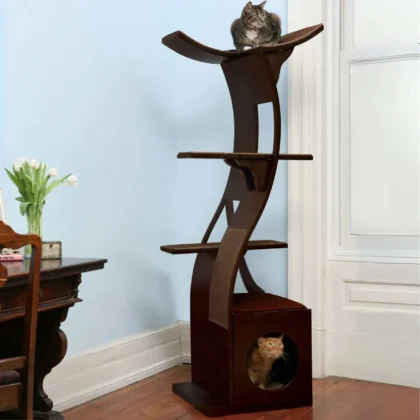
The Refined Feline’s modern cat trees and wall-mounted perches give cats elevated observation posts that reduce environmental stress. When cats feel secure in their territory, they’re more likely to eat normally, even during household changes.
Food Quality, Temperature, and Texture Changes
Cats are sensory eaters. They respond to smell, texture, and temperature more than taste. A cat not eating much might be rejecting food that’s too cold from the refrigerator, or food that’s been sitting out too long and has lost its aroma.
Sudden food brand changes can also cause refusal. Not because cats are picky, but because their digestive systems need gradual transitions. Switching food abruptly can cause nausea or stomach upset, making them avoid the bowl entirely.
If you’ve recently changed foods and are now asking Why isn’t my cat eating, try mixing small amounts of the new food with the old. Increase the ratio gradually over 7–10 days.
Also consider bowl material. Some cats dislike plastic bowls because they retain odors or create whisker discomfort. Ceramic or stainless steel bowls are better. Shallow, wide bowls prevent whisker fatigue, a real phenomenon where overstimulated whiskers create stress during eating.
Pain or Discomfort During Eating
Why isn’t my cat eating might be less about the food itself and more about the physical act of eating. Cats with arthritis may struggle to bend down to floor-level bowls. Senior cats with neck or shoulder pain find lowered positions uncomfortable.
Elevated feeding stations solve this. Raising food and water to a comfortable height reduces strain on aging joints and makes eating physically easier. This seemingly small change can restore normal appetite in cats whose pain was preventing them from eating.
Competition or Social Stress in Multi-Cat Homes
In multi-cat households, a cat not eating much may be losing access to food due to social hierarchy. Dominant cats sometimes guard food bowls, preventing others from eating comfortably. Submissive cats may wait until everyone else finishes, then find empty bowls.
You might not see overt aggression. Often it’s subtle: one cat sitting near the food area, making another cat feel unable to approach. Or simply the presence of multiple cats creates enough stress that a shy cat skips meals.
Separate feeding stations solve this. Each cat should have their own food and water location, ideally in different rooms or at different heights. This removes competition and gives every cat reliable access without social stress.
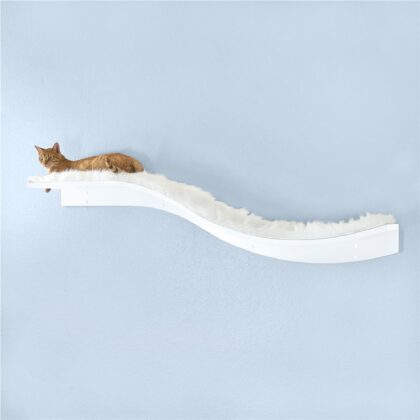
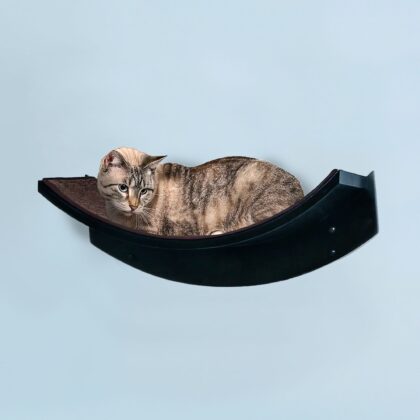
Adding vertical territory also reduces tension. Cats who can access high perches feel safer throughout the house, including during feeding times. The Refined Feline’s cat wall shelves create additional territory that eases social pressure in multi-cat homes, indirectly supporting healthier eating patterns.
Litter Box Issues Affecting Overall Comfort
How long a cat can go without food becomes even more critical when you realize that litter box problems and appetite loss often co-occur. Cats experiencing urinary issues, constipation, or general digestive discomfort may avoid eating because they associate food with pain or bathroom difficulties.
A dirty litter box also creates stress that suppresses appetite. If the box hasn’t been cleaned recently, your cat may feel uncomfortable using it, which creates physical discomfort that reduces their desire to eat.
Evaluate your litter box situation alongside appetite concerns. Is it clean? Is it large enough? Is it in a quiet, accessible location? If you’ve been delaying litter box setup improvements, your cat not eating much might be the signal to prioritize it.
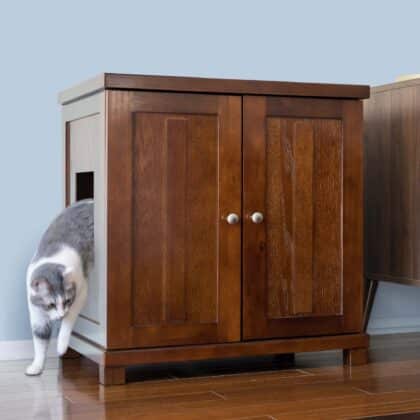
Beautiful, functional litter box furniture from The Refined Feline conceals boxes while maintaining excellent ventilation and easy access for daily cleaning. When the litter box becomes furniture you’re proud to maintain, rather than an eyesore you avoid, you’re more likely to keep it clean. And clean boxes support better feline health overall, including a normal appetite.
What Should You Do When Your Cat Stops Eating?
Immediate Assessment Steps
When you notice a cat not eating much, start a simple monitoring protocol. Note exactly when they last ate a full meal. Track water intake. Observe energy levels, litter box usage, and any physical changes.
Check for obvious problems: Is the food fresh? Is the bowl clean? Is the feeding area calm and private? Sometimes appetite returns by simply addressing these basics.
Try offering different food textures; wet food if they usually eat dry, or warming wet food slightly to enhance aroma. But if your cat refuses everything or you’re approaching the 24-hour mark, stop experimenting and call your veterinarian.
When to Contact Your Veterinarian
Contact your vet if:
- Your cat hasn’t eaten anything in 24 hours.
- They’re eating significantly less than usual for more than two days.
- Appetite loss accompanies other symptoms like lethargy, vomiting, or behavior changes.
- You notice any yellowing of skin, eyes, or gums.
- Your cat is diabetic or has other chronic conditions (appetite loss in these cats is always urgent).
Don’t wait to see if appetite returns on its own. The question isn’t how long a cat can go without eating before you act. It’s how quickly you can intervene to prevent complications.
Supporting Recovery at Home
Once your veterinarian has ruled out serious medical issues, focus on creating the most appealing eating environment possible. This means:
Quiet feeding areas away from household noise. Slightly warmed food that releases more aroma. Clean bowls for every meal. Multiple small meals rather than two large ones.
Also, evaluate your cat’s overall comfort in your home. Are they spending time in hiding? Do they seem anxious or withdrawn? If environmental stress is contributing to appetite loss, adding secure vertical spaces where cats can observe and rest will help restore their sense of safety.
The Refined Feline’s elevated cat beds and modern scratching posts create comfortable zones throughout your home where cats feel protected. When cats feel secure, they eat better, groom more, and engage in normal daily behaviors.
How Can You Prevent Appetite Loss in the Future?
Creating Stable, Stress-Free Feeding Routines
Cats thrive on consistency. Feed at the same times daily. Use the same bowls. Keep the feeding area predictable. When you’re asking why my cat isn’t eating repeatedly, inconsistent routines are often part of the answer.
Minimize changes near feeding areas. Don’t suddenly move food bowls to new rooms or place them near loud appliances. If change is necessary, transition gradually.
Building a Supportive Home Environment
Your cat’s willingness to eat confidently connects directly to their sense of safety in your home. A cat not eating much often lives in an environment that feels unpredictable or threatening, even if you don’t see obvious stressors.
The solution isn’t complicated: give cats vertical territory, private resting spots, appropriate scratching surfaces, and hidden litter box access. When these needs are met through beautiful, modern furniture rather than cheap pet store solutions, you support feline wellbeing without compromising your home’s design.
The Refined Feline specializes in exactly this balance. Every piece, from cat trees to litter box cabinets to wall perches, addresses genuine feline needs while looking like intentional furniture choices. This isn’t about spoiling your cat. It’s about designing an environment where both of you thrive.
Frequently Asked Questions
How long can a cat go without eating before liver damage occurs?
Hepatic lipidosis (fatty liver disease) can begin developing within 48–72 hours of complete food refusal in cats. This makes how long can a cat go without food a critical question with a short answer: seek veterinary care if your cat hasn’t eaten anything in 24 hours.
What should I do if my cat is drinking but not eating?
A cat drinking water but refusing food is still at risk. Continue offering fresh, aromatic food (try warming wet food slightly), but contact your veterinarian if appetite doesn’t return within 24 hours. Hydration helps, but how long a cat can go without eating safely remains very limited, regardless of water intake.
Why isn’t my cat eating after moving to a new home?
Moving creates significant stress for cats. Most adjust within 24–48 hours, but appetite loss during this period still requires monitoring. Set up a quiet, secure space with familiar items. If your cat is not eating much beyond two days post-move, consult your veterinarian to rule out illness unrelated to the move.
Can stress alone make a cat stop eating completely?
Yes. Severe environmental stress can suppress appetite entirely, but this still poses serious health risks. A cat not eating much due to stress can develop hepatic lipidosis just as quickly as one refusing food for medical reasons. Address stressors immediately while monitoring closely for the 24-hour intervention point.
Should I force-feed my cat if they won’t eat?
Never attempt force-feeding without veterinary guidance. It can create food aversion, cause aspiration pneumonia, or worsen underlying conditions. If your cat hasn’t eaten in 24 hours, contact your veterinarian instead. They can provide appropriate appetite stimulants or feeding strategies based on the underlying cause.