

Why Is My Cat Drinking a Lot of Water?
You used to fill the water bowl once a day. Now you are filling it two or three times, and your cat seems to appear every time you turn on the faucet. When your cat starts drinking more than usual, it is completely normal to feel concerned.
A sudden increase in water intake can signal something as simple as a diet change, or it could point to an underlying health condition that needs attention. Here is what to know about why your cat may be drinking more and what steps to take.
How Much Water Should a Cat Drink Per Day?
Cats typically drink about 4 ounces of water per 5 pounds of body weight each day. A 10-pound cat, for example, should consume roughly 8 ounces of water daily. Cats on wet food tend to drink less because canned food contains 70 to 80 percent moisture, while cats eating dry kibble drink more to compensate.
What matters most is not the exact amount, but changes in your cat’s normal drinking pattern. If your cat is suddenly visiting the water bowl more frequently or seeking water from sinks and faucets, pay close attention to how long the behavior continues.
One easy way to track intake is to fill the bowl with a measured amount each morning and check how much remains the following day. Larger or heavier urine clumps in the litter box can also signal increased water consumption before you even notice the drinking behavior itself.
Common Causes of Increased Water Intake in Cats
Several medical conditions can cause a cat to drink excessively. If the increased thirst lasts more than a few days and is not explained by weather or diet, one of these may be the reason.
Kidney Disease
Kidney disease is the most common cause of excessive drinking in older cats. As kidney function declines, the kidneys lose their ability to concentrate urine, which leads to increased urination and thirst. Chronic kidney disease progresses slowly, so catching it early through bloodwork and urinalysis gives your vet the best opportunity to manage it effectively.
Weight loss, decreased appetite, and lethargy are additional signs that often accompany kidney disease.
Diabetes
Diabetes occurs when the pancreas does not produce enough insulin to regulate blood sugar. As glucose levels rise, the body pulls more water to flush out the excess sugar, causing increased thirst and urination.
Overweight cats and those on high-carbohydrate diets are at greater risk. Early diagnosis and aggressive treatment can sometimes lead to remission, so prompt veterinary attention matters.
Hyperthyroidism
An overactive thyroid gland speeds up the metabolism, causing increased hunger, weight loss, and excessive drinking. Hyperthyroidism is most common in middle-aged to senior cats and is typically managed with medication or, in some cases, radioiodine therapy.
If your older cat seems ravenously hungry but keeps losing weight while drinking more, hyperthyroidism is worth discussing with your vet.
Urinary Tract Infections
Urinary tract infections can cause cats to drink more in an attempt to ease discomfort. Cats with UTIs often urinate small amounts frequently and may seem restless. Male cats with urinary symptoms should be seen by a vet immediately, as blockages can become life-threatening.
Diet Changes and Environmental Factors
Switching from wet food to dry food is one of the most common non-medical reasons for increased drinking. Hot weather and dry indoor air can also cause temporary spikes in thirst that resolve on their own.
How to Monitor Your Cat’s Water Intake at Home
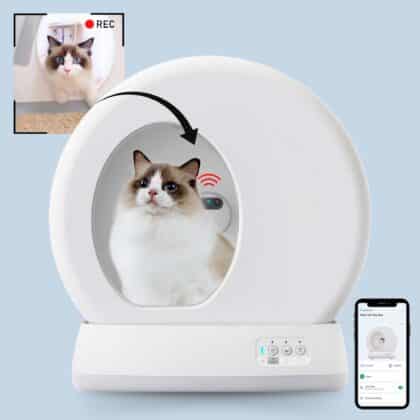
Keeping a simple record helps you and your vet identify problems earlier. Use a measuring cup to fill the bowl each morning, then measure what remains the next day. Watch for larger or more frequent urine clumps in the litter box. A self-cleaning litter box with app tracking can monitor usage patterns automatically, giving you data to share with your vet.
Note any behavioral changes alongside the increased drinking, such as appetite shifts, weight changes, or hiding more than usual. If you have multiple cats sharing water sources, separating bowls for a day or two can help pinpoint which cat is drinking more.
When to See a Vet About Your Cat’s Drinking
A brief increase in water intake after a diet change or during warm weather is usually not cause for alarm. Schedule a vet appointment if you notice any of the following:
- Increased drinking that persists for more than a few days without an obvious cause
- Weight loss, lethargy, or appetite changes, alongside the thirst
- Your cat is urinating outside the litter box or producing very diluted urine
- Your male cat is straining to urinate or visiting the litter box frequently with little output
Bringing a urine sample to the appointment can save time and help your vet start the diagnostic process right away.
How Vets Diagnose the Cause of Excessive Thirst
Your vet will start with a thorough physical exam and questions about your cat’s diet, behavior, and recent changes. Bloodwork and urinalysis are the most common initial tests, and in many cases, these are enough to identify the underlying issue.
If results point toward kidney disease, your vet will stage the condition and recommend a management plan. Additional imaging, such as X-rays or ultrasound, may be needed if the cause is not immediately clear. Monitoring your cat’s daily behavior and keeping notes on eating, drinking, and litter box habits gives your vet the most useful starting information.
Supporting Your Cat’s Health at Home
While veterinary care addresses the underlying condition, a few adjustments at home can support your cat’s comfort and hydration.
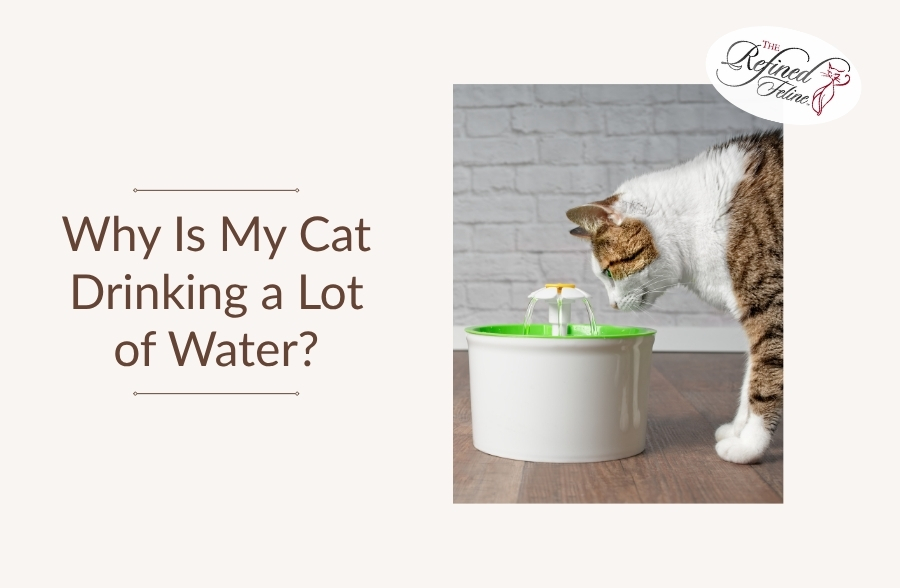
Keep multiple fresh water sources available in different rooms. Many cats prefer running water, so a fountain may encourage consistent hydration. Cats on dry food diets may benefit from adding wet food to increase daily moisture intake.
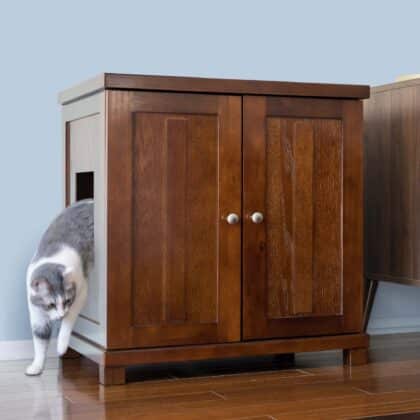
A clean, comfortable environment also plays a role. A regularly maintained litter area reduces stress and makes it easier to spot changes in urination patterns. Pairing a litter box enclosure with a low-dust, unscented litter creates a healthier space for cats dealing with health issues.
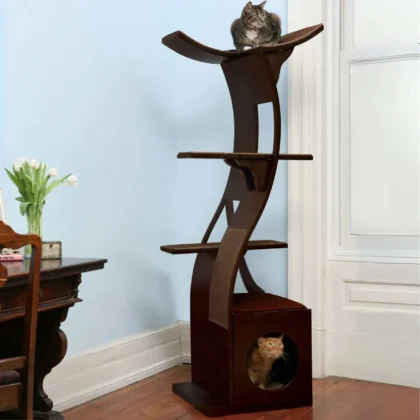
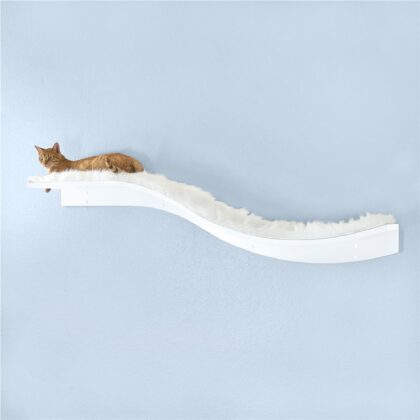
For senior cats managing chronic conditions, easy access to water, food, and litter on every floor of your home reduces the physical effort required for daily routines. Comfortable resting spots on a modern cat tower or wall-mounted perch give your cat a secure vantage point where they can relax and feel safe.
Join the Club
Noticing changes in your cat’s water intake is one of the most caring things a cat parent can do. Early attention often leads to earlier diagnosis, and earlier diagnosis means better outcomes. If your cat’s drinking habits have shifted and you want to keep a closer eye on their health, explore our full collection of smart litter and furniture solutions designed to make monitoring simple and your home beautiful at the same time.
Frequently Asked Questions
Q. How much water is too much for a cat?
A cat drinking more than 100 milliliters per kilogram of body weight daily is considered to be drinking excessively. For a 10-pound cat, that would be roughly 16 ounces per day, which is about double the normal intake.
Q. Can stress cause a cat to drink more water?
Stress alone is not a common cause of increased drinking. However, stress can contribute to urinary issues and changes in litter box behavior. If your cat is drinking more and also showing signs of anxiety, a vet visit can help rule out medical causes.
Q. Should I limit my cat’s water intake if they are drinking too much?
Never restrict your cat’s access to water unless specifically directed by your veterinarian. Limiting water can lead to dehydration, which worsens most of the conditions that cause increased thirst in the first place.
Q. Is increased thirst in cats always a sign of disease?
Not always. A switch from wet food to dry food, hot weather, and increased activity can all cause temporary increases in water consumption. Persistent changes lasting more than a few days, however, should be evaluated by a vet.
Q. What is the first test a vet will run for a cat drinking too much?
Most veterinarians start with bloodwork and a urinalysis. Together, these tests evaluate kidney function, blood sugar levels, thyroid hormones, and the concentration of your cat’s urine.
Q. Can younger cats develop kidney disease or diabetes?
While kidney disease is more common in older cats, diabetes can affect cats of any age, particularly those who are overweight. Regular wellness exams help catch early signs regardless of your cat’s age.