

Why Does My Cat Lick Me? 7 Common Reasons
If your cat has ever given you a slow, sandpapery lick across the hand, you have probably paused and wondered what was going on. You are not alone. Cat licking is one of the most common feline behaviors, and the reasons behind it range from sweet to surprising.
Why Does My Cat Lick Me? The 7 Most Common Reasons
Cat licking is deeply wired into how cats interact with the world. Cats spend a large portion of their waking hours grooming, so when that licking is directed at you, it usually falls into one of these categories.
Your Cat Is Showing Affection
Mother cats groom their kittens from birth, creating a strong emotional bond through touch. A behavior called allogrooming, where cats groom each other, reinforces trust among cats in the same social group.
When your cat settles in and starts licking your arm or hand, you are being welcomed into that inner circle. For a deeper look at how cats express love, check out this guide on common cat behaviors.
Your Cat Is Marking You as Family
Scent plays a major role in how cats organize their social world. When your cat licks you, they deposit their scent onto your skin, essentially claiming you as part of their group.
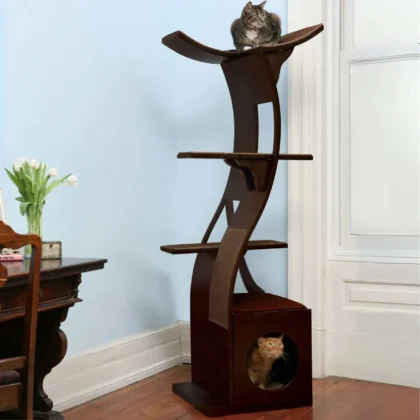
You may have noticed your cat rubbing their cheeks against your legs. Licking serves a similar purpose. If your cat likes to survey the household from above, a modern cat tower gives them a comfortable vantage point to keep watch over their people.
Your Cat Is Seeking Attention
Some cats figure out quickly that licking gets results. If you respond with petting, talking, or even a glance, your cat may learn that a lick is the fastest way to get your focus.
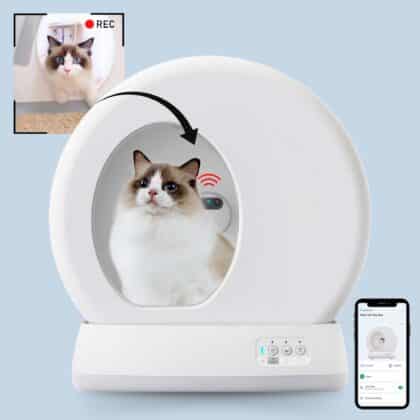
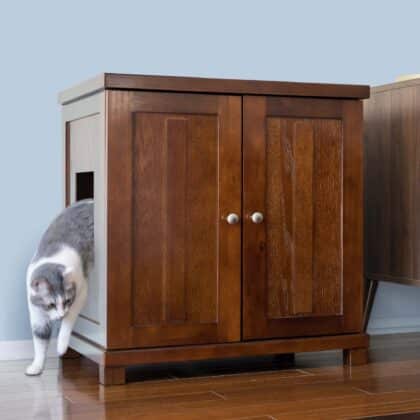
If your cat licks you before mealtime or during a play session, attention-seeking is likely the motivation. Providing enough stimulation throughout the day can reduce attention-seeking licks. A great way to redirect that energy is through interactive enrichment like puzzle feeders, and a self-cleaning litter box cabinet keeps their environment fresh without adding to your daily chores.
Your Cat Likes the Way You Taste
Sweat contains salt, sugar, and amino acids that cats can find appealing. Lotion, sunscreen, or food residue on your skin may also spark your cat’s curiosity.
One important note: some topical products, including certain medications and essential oils, can be toxic to cats. If you have applied anything to your skin, avoid letting your cat lick the area until it has fully absorbed or been washed off.
Your Cat Is Reliving Kitten Behaviors
Kittens instinctively lick and knead while nursing. If your cat was weaned too early, they may carry this comforting habit into adulthood. You will often see these cats licking while also kneading your lap and purring, recreating the warm feeling of nursing.
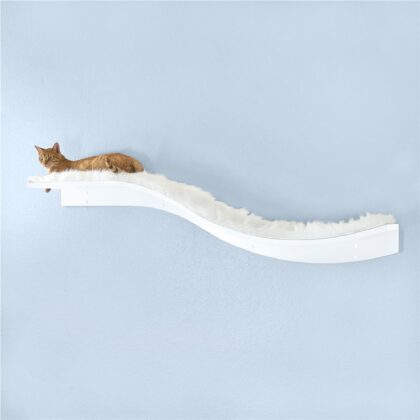
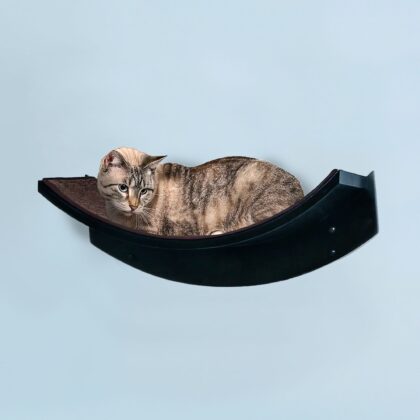
Providing cozy, secure spaces helps support this need for comfort. A curved wall-mounted cat shelf gives your cat a snug, elevated spot to relax and feel safe.
Your Cat May Be Stressed or Anxious
Licking can also be a displacement behavior, something a cat does to soothe themselves when they feel uneasy if your cat licks you more during specific situations, like when visitors arrive or routines change, stress may be the cause.
Look for additional signs such as hiding, appetite changes, or excessive self-grooming. Vertical spaces, like a cat wall perch, can give an anxious cat a safe place to retreat and observe. You can also explore strategies for building a calmer home for anxious cats.
Your Cat May Have a Medical Issue
In some cases, licking is a symptom of an underlying health problem. Nausea, pain, gastrointestinal discomfort, and dental issues may cause your cat to lick more than usual.
If your cat’s licking has increased suddenly, seems compulsive, or comes with other changes like lethargy or vomiting, a visit to your veterinarian is the right next step. For more about recognizing unusual grooming patterns, here is a helpful guide on overgrooming.
Why Does My Cat’s Tongue Feel Like Sandpaper?
A cat’s tongue is covered in tiny, backward-facing spines called papillae. Made of keratin, the same material in human fingernails, these hook-shaped structures help cats remove loose fur during grooming, distribute natural oils, and regulate body temperature. That rough texture is perfectly normal and essential for your cat’s hygiene.
How to Gently Redirect Excessive Licking
If your cat’s licking becomes uncomfortable, there are kind ways to redirect the behavior without damaging your bond.
- Stand up and calmly walk away when the licking starts, then return with affection when it stops
- Offer a toy or treat to redirect your cat’s attention
- Reward your cat with praise when they interact without licking
- Make sure your cat has access to elevated climbing spaces, scratching surfaces, and rotating toys
Never use punishment, squirt bottles, or bitter sprays. Negative reactions can increase anxiety, which may make the licking worse.
Join the Club
Your cat’s licks tell a beautiful story about trust, comfort, and connection. Whether your cat is grooming you into the family, seeking a few extra minutes of attention, or investigating that lotion on your hand, every lick is a small window into how they see you. And most of the time, the answer is simple: they love you.
If you enjoyed learning what makes your cat tick, share this with a fellow cat parent. And if you are looking for ways to give your cat more comfort and enrichment, explore furniture designed to match both your style and your cat’s instincts at The Refined Feline.
Frequently Asked Questions
Q. Why does my cat lick my face?
Cats may lick your face to show affection, groom you as part of their social group, or investigate a scent. While generally safe, it is best to redirect face licking if you have applied products to your skin.
Q. Why does my cat lick me and then bite me?
A lick followed by a gentle bite is often a sign of overstimulation. Your cat may have enjoyed the interaction, but reached a threshold where the contact became too much. Watch for body language cues like a twitching tail or flattened ears.
Q. Why does my cat lick me at night?
Nighttime licking often happens because your cat is seeking comfort while the house is quiet. Cats are most active at dawn and dusk. Providing a play session before bed and a clean litter box enclosure for tidy nighttime bathroom trips can help settle them.
Q. Is excessive licking a sign of anxiety in cats?
Yes, excessive licking can indicate stress. Environmental changes, loud noises, new pets, or disrupted routines can trigger licking as a coping mechanism. Create a calm, enriched space and consult your veterinarian if it continues.
Q. Should I let my cat lick my hands?
Letting your cat lick your hands is generally safe. Wash your hands afterward, especially before eating. Avoid allowing licks on cuts, open wounds, or skin with medications that could be harmful to your cat.
Q. When should I be concerned about my cat licking me?
Be concerned if licking has suddenly increased, seems compulsive, or pairs with symptoms like weight loss, vomiting, or appetite changes. A veterinary evaluation can help identify and address any underlying cause.