

Why Does My Cat Headbutt Me? What It Really Means
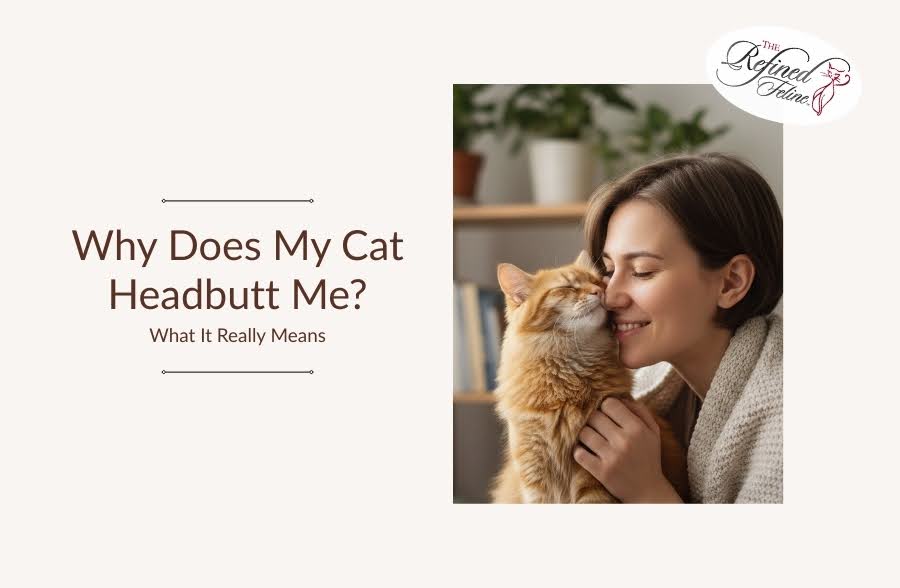
You’re sitting on the couch, minding your own business, and your cat walks over and gently bonks their forehead right into yours. It feels sweet, a little funny, and maybe confusing the first time it happens. Cat headbutting, also called bunting, is one of the most endearing things a cat can do, and your cat is telling you something wonderful.
Why Do Cats Headbutt You?
Cat headbutting is a form of scent communication. Cats have scent glands on their cheeks, forehead, and chin. When your cat presses their head against you, they release pheromones to mark you, bond with you, and communicate trust. A headbutt is not a sign of aggression. Your cat is choosing you, inviting you into their inner circle, and letting you know they feel safe.
Scent Marking and Territory
When cats headbutt you, they are depositing facial pheromones onto your skin and clothing. Humans cannot detect these pheromones, but to your cat, you now carry their signature scent. Cats do the same thing to furniture, doorways, and their favorite modern cat tree. Marking familiar people and objects helps your cat feel secure in their environment.
Affection and Trust
A cat headbutt is one of the clearest signs of feline affection. Your cat is saying, “I feel safe with you.” Since a headbutt requires lowering their head into a vulnerable position, the act signals deep trust. Cats who slow blink show similar trust, and bunting takes that bond further through physical contact.
Saying Hello
Sometimes a headbutt is simply a greeting. Cats in the same colony often bump heads to say hello and reinforce social bonds. When your cat pushes you as you walk through the door, they are welcoming you back into the group.
Seeking Attention
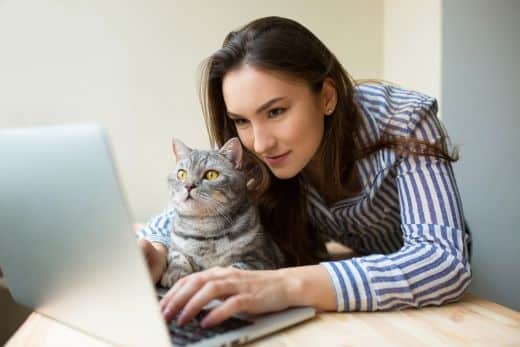
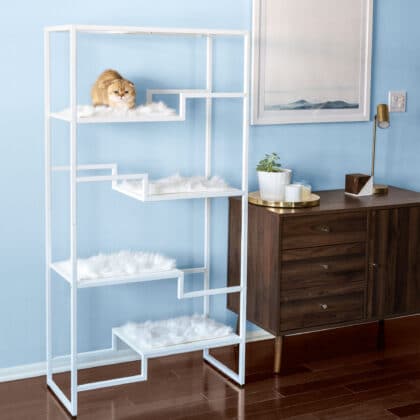
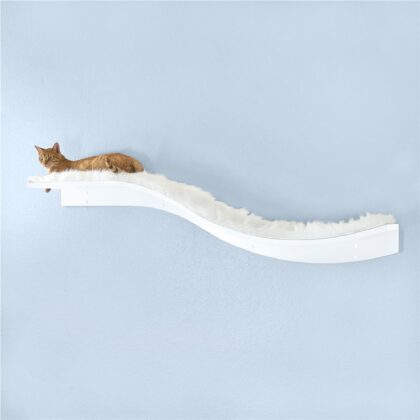
Not every headbutt is purely affectionate. Sometimes your cat is asking for something. A headbutt followed by a lingering stare might mean they want food, playtime, or a chin scratch. If your cat headbutts your phone or laptop, the message is clear: “Pay attention to me.” Giving your cat access to wall-mounted cat shelves and climbing spaces can help channel their energy between quality-time sessions.
Cat Headbutting vs. Head Pressing
Not all head-related behaviors mean the same thing, and knowing the difference could protect your cat’s health.
How to Tell the Difference
Cat headbutting (bunting) is relaxed and social. Your cat will press their forehead or cheek against you gently, often while purring. The overall body language will appear calm and content.
Head pressing is very different. A cat that is head pressing pushes their head firmly and continuously against a wall or hard surface without appearing relaxed. Head pressing can indicate a serious neurological condition. Contact your veterinarian immediately if you observe it.
Do All Cats Headbutt?
No, not every cat headbutts, and that is completely normal. Confident, outgoing cats tend to bunt more frequently. In multi-cat households, the most socially dominant cat usually initiates headbutts.
If your cat does not headbutt, it does not mean they love you any less. Some prefer kneading, curling up in a cozy sleeping position near you, or giving you a slow blink. Breeds like Ragdolls, Maine Coons, and Siamese are known for being more physically affectionate, but any cat can become a devoted bunter when they feel safe.
How to Respond When Your Cat Headbutts You
Responding well strengthens your bond and encourages more affection.
Return the Gesture Gently
You do not need to headbutt your cat back. A gentle lean-in or soft forehead touch lets them know the feeling is mutual.
Offer Their Favorite Scratches
Most cats love chin scratches and gentle strokes behind the ears. Petting your cat after a headbutt reinforces the positive interaction.
Pay Attention to Context
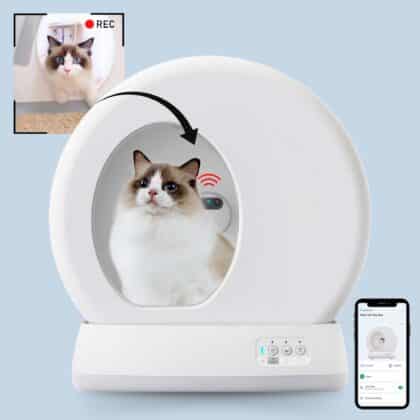
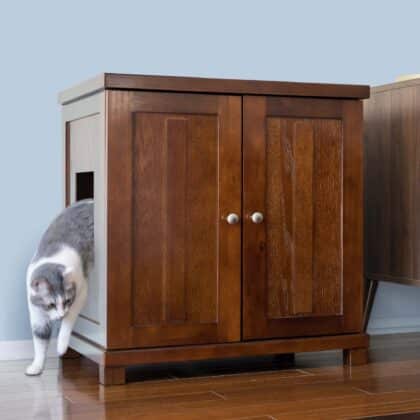
If your cat headbutts you while you are busy, they might need something. Check their food and water. Make sure their litter box enclosure is clean. Reading your cat’s facial expressions helps you understand what they need.
What About Headbutting Other Pets?
Cats do not reserve headbutts for humans only. Many cats headbutt other cats, dogs, and even rabbits. When a cat headbutts another pet, they are mixing scents to create a shared colony scent. Among cats who form social bonds, headbutting reinforces trust.
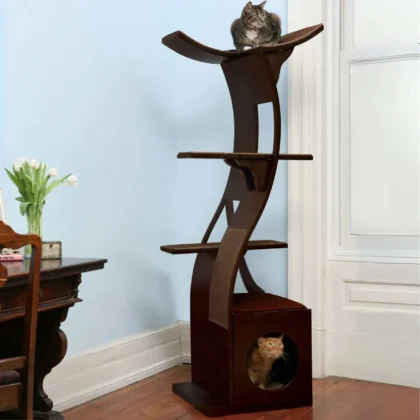
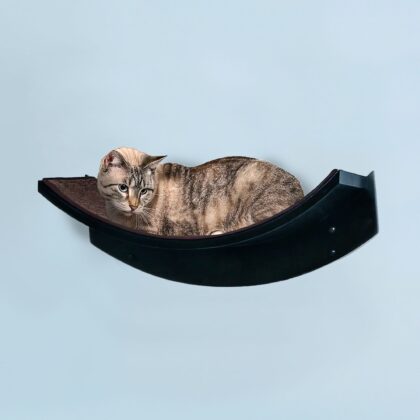
In multi-cat households, providing perching spots like a curved wooden cat shelf helps reduce competition and creates a peaceful environment.
Join the Club
Every headbutt is a little love letter from your cat. If your feline friend bumps foreheads with you, consider yourself chosen.
Want to give your cat a space that feels just as warm as that forehead nudge? Browse our collection of cat furniture designed for comfort and connection, and create a home where both of you can relax and bond.
Frequently Asked Questions
Q. Why does my cat headbutt me and then bite me?
A headbutt followed by a gentle nip is usually affection, often called a “love bite.” If the bite is harder, your cat may be overstimulated and signaling they need a break.
Q. Why does my cat headbutt my face?
Your face is close to your cat’s eye level when you sit or lie down, making it an easy target. Cats also gravitate toward areas with your strongest scent.
Q. Is cat headbutting the same as nuzzling?
Headbutting is a firmer press of the forehead against you. Nuzzling is a softer, slower rubbing of the cheeks and face. Both involve scent marking and affection, but nuzzling tends to be gentler.
Q. Why does my cat headbutt objects but not me?
Cats headbutt furniture and walls to mark territory with pheromones. If your cat does not headbutt you directly, they may prefer other ways of showing affection, such as sitting nearby or purring.
Q. Can I encourage my cat to headbutt me more?
You can encourage bunting by creating a calm, trusting environment. Spend quiet time near your cat, offer slow blinks, and avoid sudden movements. Many cats become more physically affectionate as trust deepens.
Q. When should I worry about my cat pressing their head against things?
If your cat is pressing their head firmly and continuously against a wall or hard surface without appearing relaxed, contact your veterinarian right away. Head pressing can be a sign of a neurological issue requiring immediate attention.