

Why Do Cats Rub Against You?
When your cat presses their face against your legs or weaves between your ankles the moment you walk through the door, they are doing much more than being affectionate. Cat rubbing behavior is a form of communication rooted in scent, instinct, and social bonding. Here is what your cat is really telling you and what to watch for.
What Does It Mean When a Cat Rubs Against You?
Cat rubbing is driven by scent glands located around the cheeks, chin, forehead, and base of the tail. Each time your cat presses against you, they release pheromones that are invisible to humans but carry detailed information for other cats.
Scent Marking and Ownership
When your cat rubs their face on you, they are depositing their unique scent signature onto your skin and clothes. In feline terms, this marks you as part of their social group. Other cats who encounter that scent will recognize you have already been “claimed.” A cat who rubs against you regularly feels secure in their bond with you.
The Greeting Ritual
Most cats rub against their humans the moment they arrive home. Your cat has been waiting, and the rubbing serves two purposes: welcoming you back and refreshing your scent. Every time you leave the house, you pick up unfamiliar smells. Your cat’s rubbing resets your scent profile so you smell like home again. Our guide to cat tail language explains how an upright tail during this greeting signals confidence.
Information Gathering
Not every rub is about affection. Sometimes your cat is investigating. When a new person, object, or bag enters the house, your cat may rub against it to collect scent data. A cat rubbing a stranger is not necessarily being friendly, just cataloging information about an unfamiliar scent.
Why Does My Cat Rub Against Me?
While scent marking is the main driver, the reasons your cat specifically targets you go beyond pheromones.
Bonding Learned From Kittenhood
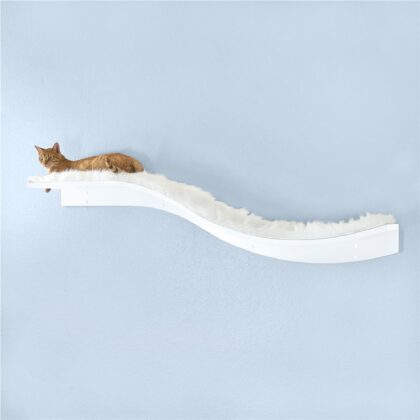
Rubbing behavior starts early. Mother cats and kittens rub against each other to establish family scent bonds. When your adult cat rubs against you, they are using the same communication method they learned as a kitten. You are family, and the rubbing keeps that connection active. Cats who feel secure in their environment, with access to vertical spaces like a modern cat tree or wall-mounted shelves, tend to show more confident social behaviors, including frequent rubbing.
Requesting Attention or Food
Cats are observant. If rubbing against your legs consistently leads to a meal, a treat, or a scratch behind the ears, the behavior becomes reinforced. Your cat learns that rubbing works, and they repeat it strategically. Paying attention to timing helps you distinguish between genuine affection and a polite request for dinner.
A Sign of Trust
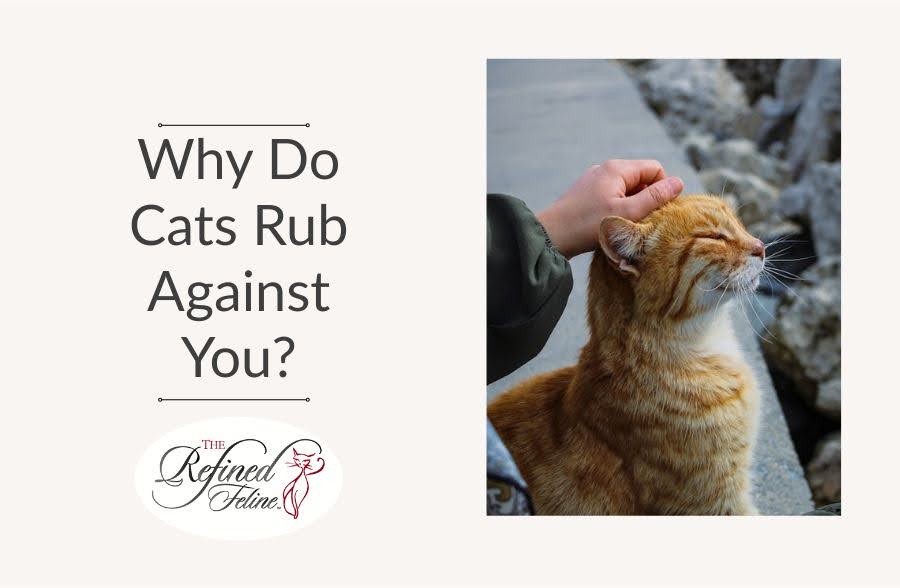
A cat who rubs against you with slow, relaxed movements and half-closed eyes is showing deep trust. Exposing the head and face during a rub leaves them vulnerable, and cats only do that around people they feel completely safe with.
Why Do Cats Rub Against Everything?
Your cat does not reserve rubbing for humans alone. Furniture, walls, doorframes, and even other pets all receive the same treatment.
Building a Scent Map
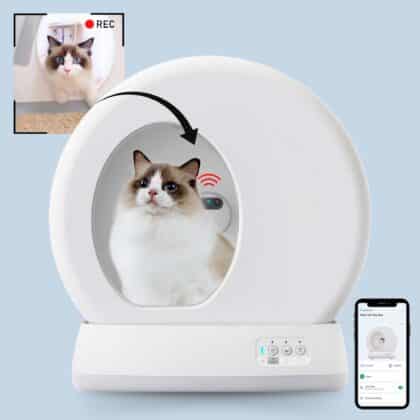
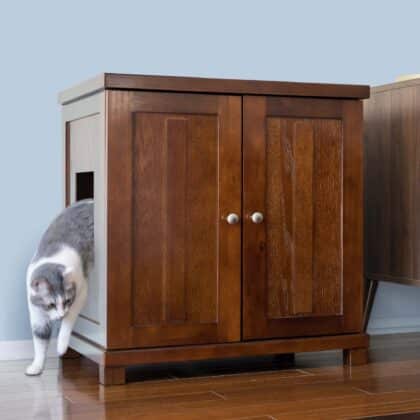
Cats create a familiar scent landscape throughout their home by rubbing against objects in every room. A floating cat shelf mounted at nose height or a litter box enclosure tucked in a hallway will quickly become part of your cat’s daily rubbing route. When every surface carries its scent, the environment feels safe and predictable.
Marking Territory in Multi-Cat Homes
In households with more than one cat, rubbing becomes especially important. Each cat layers their scent on shared surfaces to establish boundaries without conflict. Providing enough vertical territory, like a cat tower and individual wall perches, gives each cat their own surfaces to mark and reduces competition. Our blog on life in a multi-cat household covers more ways to keep the peace.
When Rubbing Becomes Excessive
Normal rubbing is calm and deliberate. If your cat suddenly starts rubbing frantically against walls or the floor, or if you notice hair loss in rubbed areas, a vet visit is a good idea. Excessive rubbing can point to allergies, ear infections, flea infestations, or skin conditions. Unspayed female cats in heat may also show increased rubbing as part of their reproductive cycle.
When Should I Worry About Cat Rubbing Behavior?
Normal vs. Excessive Rubbing
Most cat rubbing behavior falls well within the range of normal feline communication. However, if your cat suddenly starts rubbing against everything obsessively, or if the behavior seems frantic rather than affectionate, it might be time to pay closer attention.
Excessive rubbing can sometimes indicate underlying health issues that are causing discomfort or itchiness. The key is knowing your individual cat’s normal patterns and watching for significant changes.
Health Red Flags to Watch For
If your cat’s rubbing behavior comes along with any of these warning signs, it’s worth scheduling a vet visit:
- Head tilting or loss of balance
- Excessive scratching or apparent itchiness
- Changes in appetite or drinking habits
- Unusual vocalization patterns
- Weight loss or gain
- Hair loss in rubbed areas
- Signs of skin irritation
Medical Conditions That Cause Excessive Rubbing
Several health conditions can cause cats to rub against things more than usual. Allergies, flea infestations, ear infections, and certain skin conditions can all make cats seek relief through increased rubbing behavior.
Additionally, unspayed female cats in heat may display increased rubbing behavior as part of their natural reproductive cycle. This is completely normal but can seem excessive to concerned pet parents.
How Can I Respond to My Cat’s Rubbing Behavior?
Embrace the Love
In most cases, the best response to cat rubbing behavior is simply to enjoy it. Your cat is choosing to share their affection with you in one of the most meaningful ways they know how. This is actually a huge compliment in the feline world.
You can gently pet your cat during these rubbing sessions, but let them take the lead. Some cats prefer to do their rubbing ritual without interference, while others love the added attention of being petted simultaneously.
Creating Positive Associations
If you want to encourage healthy bonding with your cat, you can create positive associations around their rubbing behavior.
This might mean:
- Offering gentle praise when they rub against you
- Providing treats after particularly sweet greeting sessions
- Setting aside dedicated bonding time when you’re fully present for their affection
When Redirection Makes Sense
If your cat’s rubbing behavior becomes problematic, perhaps they’re knocking things over or being overly demanding, gentle redirection can help. You can redirect their energy toward appropriate outlets like scratching posts, interactive toys, or designated rubbing surfaces.
The key is offering alternatives rather than simply discouraging the behavior entirely. Remember, your cat has a legitimate need to engage in this type of scent-marking and social bonding.
Shop the Collection
Your cat’s rubbing behavior is a sign of trust, comfort, and connection. Giving them quality surfaces to mark and claim makes them feel even more at home. Browse our modern cat furniture collection for pieces designed to fit both your cat’s instincts and your home’s style.
Frequently Asked Questions
Q. Why do cats rub against you?
Ans. Cats rub against you to deposit pheromones from scent glands on their cheeks and forehead, marking you as part of their social group and reinforcing your bond.
Q. What does it mean when a cat rubs against you?
Ans. A cat rubbing against you is claiming you as family through scent marking. Depending on the context, it can also be a greeting, a request for food, or a way to refresh your scent after you have been away.
Q. Is there a spiritual meaning when a cat rubs against you?
Ans. Many cultures view a cat choosing to rub against you as a sign of trust and positive energy. While there is no scientific basis for spiritual interpretations, the behavior itself confirms your cat feels safe and bonded with you.
Q. What does cat rubbing behavior mean?
Ans. Cat rubbing behavior is a form of scent-based communication. Cats use it to mark territory, greet trusted humans, gather information about new scents, and maintain social bonds within their household.