

Why Do Cats Rub Against You?
TL;DR: Quick Facts About Cat Rubbing
- Scent marking: Cats rub against you to mark you with their pheromones and claim you as family.
- Greeting ritual: Most cats rub against their humans as a way to say “welcome home” and show excitement.
- Information gathering: Sometimes rubbing is your cat’s way of investigating new scents or changes in your smell.
- Territory claiming: When cats rub against you, they’re essentially telling other cats “this human is mine.”
- Learned behavior: Rubbing can become reinforced if you consistently respond with food, treats, or attention.
- Health indicator: Sudden changes in rubbing patterns (too much or too little) can signal medical issues worth investigating.
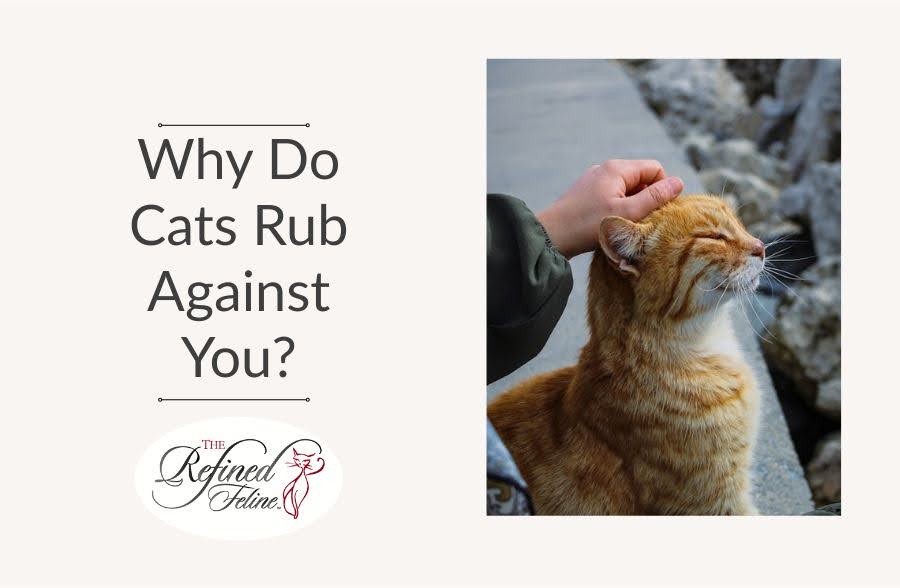
You walk through your front door after a long day, and suddenly there’s a furry torpedo launching itself at your legs. Your cat is weaving between your ankles, pressing their little face against you like they’re trying to become one with your shins. It’s adorable, sure, but also a little puzzling. What’s going on in that whiskered head of theirs?
When your cat rubs against you, they’re not just being cute (though they absolutely are). They’re speaking an ancient feline language that goes way deeper than simple affection. Understanding why cats rub against you opens up a whole secret world of cat communication that most pet parents never even realize exists.
What Does It Mean When a Cat Rubs Against You?
It’s All About the Scent Glands
Your cat isn’t just randomly bumping into you. They’re actually using specialized scent glands located around their cheeks, chin, forehead, and the base of their tail. These little chemical factories produce pheromones that are completely undetectable to your nose but speak volumes in cat language.
When your cats rub their face on you, they’re literally painting you with their personal signature scent. Think of it like an invisible name tag that says “Property of Whiskers” in a language only other cats can read.
The Mother-Kitten Connection
This rubbing behavior isn’t something cats just make up as they go along. It’s actually learned from their mothers and passed down through generations of felines. Mother cats teach their kittens that rubbing and headbutting are proper ways to show acceptance, mark territory, and maintain family bonds.
So when your adult cat rubs against you, they’re using the same communication methods they learned as a tiny kitten. It’s like they’re saying, “You’re family now, and I want everyone to know it.”
Territory Marking Made Simple
Cats are naturally territorial creatures, but not in the aggressive way you might think. When your cat rubs against you, they’re claiming you as part of their territory, but in the sweetest possible way. They’re essentially telling the world, “This human belongs to me, and I belong to them.”
Why Do Cats Rub Their Face on Me Specifically?
The Greeting Ritual
If your cat consistently rubs against you the moment you walk in the door, you’re witnessing a time-honored feline greeting ritual. This behavior often comes with bonus purring, meowing, or that adorable chirping sound some cats make when they’re excited.
Your cat has been waiting for you to return to their territory, and now they need to properly welcome you back into the family fold. It’s their version of an enthusiastic “Welcome home!” combined with “I missed you” and “Let me make sure you smell right again.”
Reclaiming Their Human
Here’s where it gets really interesting: every time you leave the house, you pick up foreign scents from the outside world. To your cat, you return home smelling like a complete stranger who just happens to look like their favorite human.
The rubbing behavior serves as a scent refresh button. Your cat is essentially saying, “I don’t know where you’ve been or what you’ve been rolling around in, but we need to fix this situation immediately.” They’re not being possessive. They’re being practical.
Information Gathering
Sometimes, cat rubbing behavior serves as feline detective work. When your cat rubs against new people or objects in their environment, they’re not necessarily showing affection. Instead, they’re conducting a thorough scent investigation to figure out what this new thing is all about.
This is why it’s important not to assume every cat who rubs against you wants to be petted. They might just be gathering intelligence about this interesting new human who’s invaded their space.
When Should I Worry About Cat Rubbing Behavior?
Normal vs. Excessive Rubbing
Most cat rubbing behavior falls well within the range of normal feline communication. However, if your cat suddenly starts rubbing against everything obsessively, or if the behavior seems frantic rather than affectionate, it might be time to pay closer attention.
Excessive rubbing can sometimes indicate underlying health issues that are causing discomfort or itchiness. The key is knowing your individual cat’s normal patterns and watching for significant changes.
Health Red Flags to Watch For
If your cat’s rubbing behavior comes along with any of these warning signs, it’s worth scheduling a vet visit:
- Head tilting or loss of balance
- Excessive scratching or apparent itchiness
- Changes in appetite or drinking habits
- Unusual vocalization patterns
- Weight loss or gain
- Hair loss in rubbed areas
- Signs of skin irritation
Medical Conditions That Cause Excessive Rubbing
Several health conditions can cause cats to rub against things more than usual. Allergies, flea infestations, ear infections, and certain skin conditions can all make cats seek relief through increased rubbing behavior.
Additionally, unspayed female cats in heat may display increased rubbing behavior as part of their natural reproductive cycle. This is completely normal but can seem excessive to concerned pet parents.
How Can I Respond to My Cat’s Rubbing Behavior?
Embrace the Love
In most cases, the best response to cat rubbing behavior is simply to enjoy it. Your cat is choosing to share their affection with you in one of the most meaningful ways they know how. This is actually a huge compliment in the feline world.
You can gently pet your cat during these rubbing sessions, but let them take the lead. Some cats prefer to do their rubbing ritual without interference, while others love the added attention of being petted simultaneously.
Creating Positive Associations
If you want to encourage healthy bonding with your cat, you can create positive associations around their rubbing behavior.
This might mean:
- Offering gentle praise when they rub against you
- Providing treats after particularly sweet greeting sessions
- Setting aside dedicated bonding time when you’re fully present for their affection
When Redirection Makes Sense
If your cat’s rubbing behavior becomes problematic, perhaps they’re knocking things over or being overly demanding, gentle redirection can help. You can redirect their energy toward appropriate outlets like scratching posts, interactive toys, or designated rubbing surfaces.
The key is offering alternatives rather than simply discouraging the behavior entirely. Remember, your cat has a legitimate need to engage in this type of scent-marking and social bonding.
Final Thoughts
The next time your cat launches their full-body rubbing on your legs, you’ll know exactly what’s happening. They’re not just being clingy or demanding attention. They’re speaking fluent cat telling you that you matter enough to be claimed as family, and ensuring that everyone in the neighborhood knows you belong to them.
That little furry tornado wrapping around your ankles? That’s pure love, translated into the ancient language of scent and touch. And honestly, is there any better way to be welcomed home?
Frequently Asked Questions
Q. Is it normal for my cat to rub against me every single day?
Yes, daily rubbing is completely normal and actually indicates a healthy bond with your cat. Most cats develop consistent greeting rituals that include rubbing against their favorite humans. This behavior shows your cat feels secure and comfortable in their environment. If the rubbing suddenly stops or becomes excessive, that’s when you might want to pay closer attention.
Q. Why does my cat rub against me but not other family members?
Cats often choose one primary person as their “favorite” and may display more intense bonding behaviors with that individual. This doesn’t mean your cat dislikes other family members. They just have different relationships with each person. The chosen person often feeds the cat, cleans the litter box, or simply spends the most quality time with them. It’s like being selected as the cat’s best friend.
Q. My cat rubs against furniture and walls constantly. Should I be worried?
Rubbing against furniture and walls is normal territorial marking behavior, but excessive rubbing could indicate a problem. If your cat is rubbing so much that they’re losing hair or creating bald spots, this might signal allergies, parasites, or skin irritation. Watch for other symptoms like excessive scratching, changes in appetite, or visible skin problems. When in doubt, consult your veterinarian.
Q. Can I teach my cat to rub against me more or less?
You can influence this behavior somewhat, but remember that rubbing is a natural feline instinct. To encourage more affection, respond positively when your cat rubs against you with gentle pets or treats. To reduce excessive rubbing, avoid reinforcing the behavior and redirect your cat to appropriate outlets like scratching posts. Never punish rubbing behavior, as this can damage your bond with your cat.
Q. Why does my cat rub against me more when I come home from certain places?
Your cat is responding to unfamiliar scents you’ve picked up during your travels. Places like veterinary offices, other pet owners’ homes, or even certain stores can leave strong odors on your clothes. Your cat’s increased rubbing is their way of “fixing” your scent to make you smell like home again. It’s actually a compliment. They’re working hard to reclaim you as part of their family.
Q. Do all cats show affection through rubbing, or do some cats express love differently?
Not all cats are “rubbers.” Some prefer different ways to show affection. Alternative cat love languages include slow blinking, sitting nearby (but not touching), bringing you “gifts,” kneading with their paws, or simply following you around the house. Some cats are naturally less physically affectionate but still form strong bonds with their humans. The key is learning your individual cat’s unique communication style.