

Why Does My Cat Meow at Night? Causes and Solutions
You love your cat, but those 3 AM meowing sessions are exhausting. If you’re reading this after another sleepless night, you’re not alone.
Nighttime vocalization is one of the most common concerns cat parents face. Your cat isn’t trying to drive you crazy. Meowing at night means they’re communicating something important, and understanding the reason is your first step toward peaceful nights.
Reason 1: Natural Activity Patterns
Cats aren’t nocturnal. Cats are crepuscular, meaning they’re naturally most active at dawn and dusk. In the wild, twilight hours were prime hunting time, and your indoor cat still carries those instincts.
When you’re ready for bed, your cat’s internal clock might signal it’s time to hunt and explore. According to a study, cats sleep 12 to 16 hours daily, but unlike humans, they distribute sleep throughout the entire 24-hour cycle.
Younger cats and kittens have more intense crepuscular patterns. As cats mature, many adjust to household schedules, but some maintain these tendencies for life.
Reason 2: Boredom and Insufficient Stimulation
Mental and physical enrichment is essential for cat wellbeing. A cat that sleeps all day without interaction will have surplus energy during nighttime.
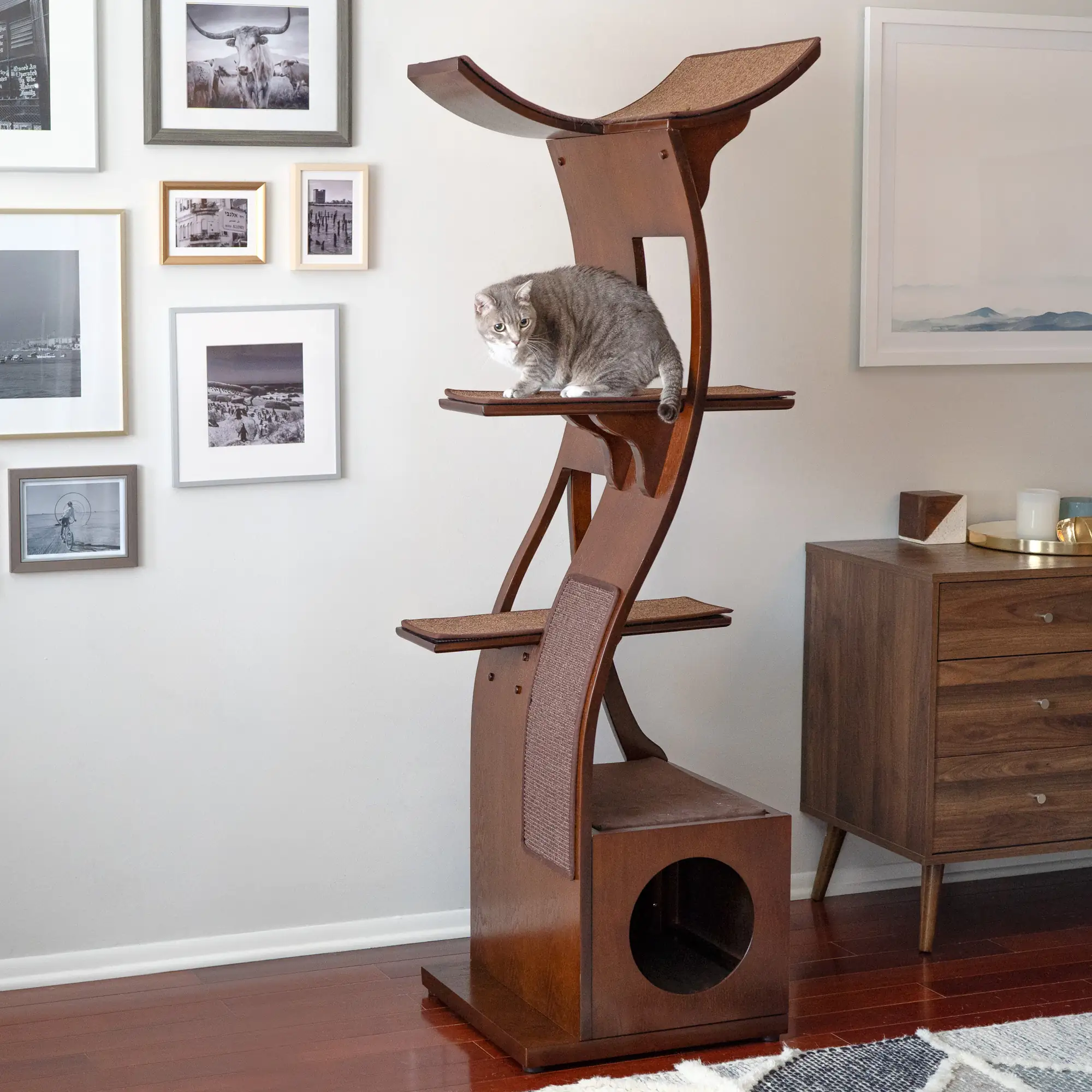
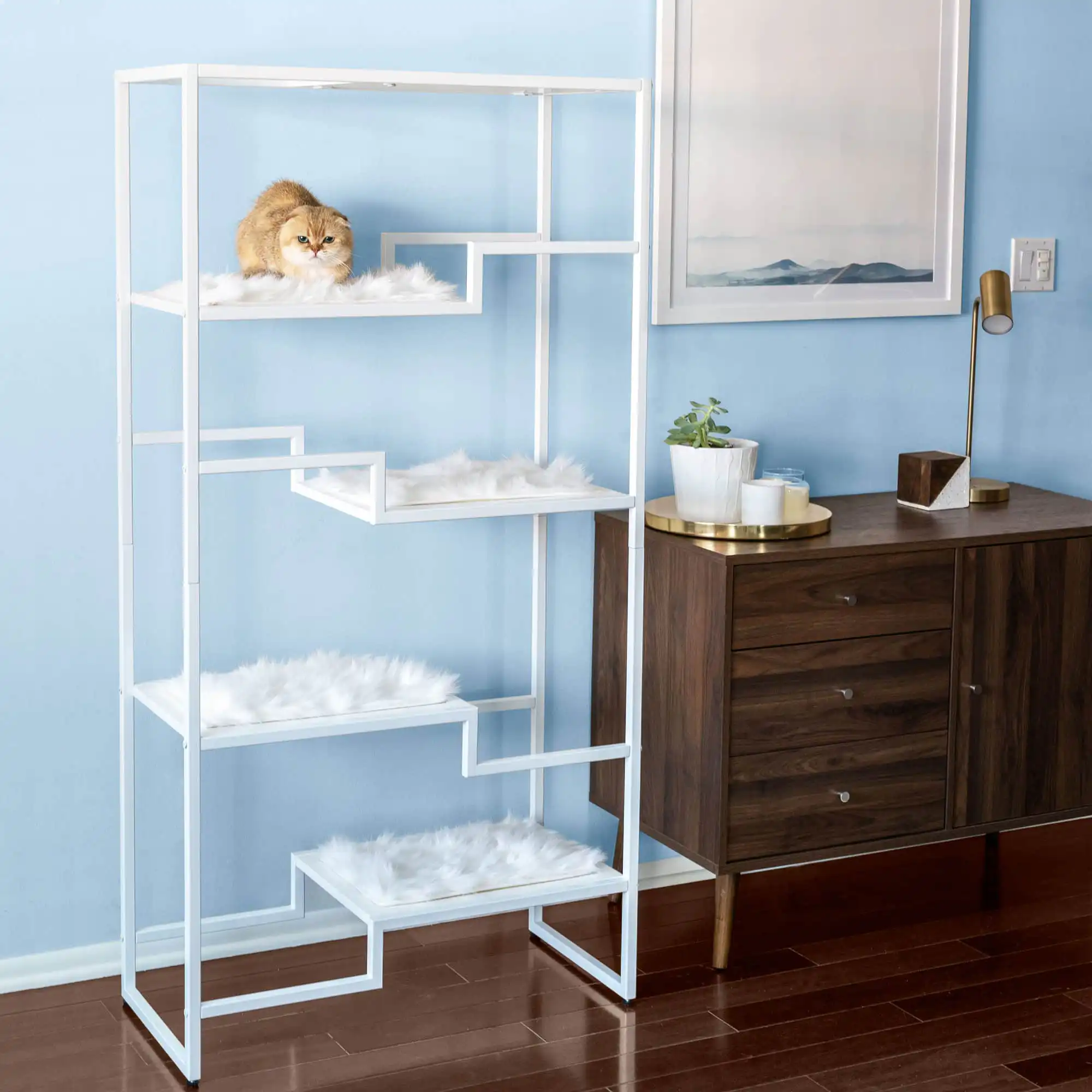
Indoor cats need outlets for natural behaviors. Vertical climbing spaces give cats appropriate outlets while satisfying their need to survey territory from height.
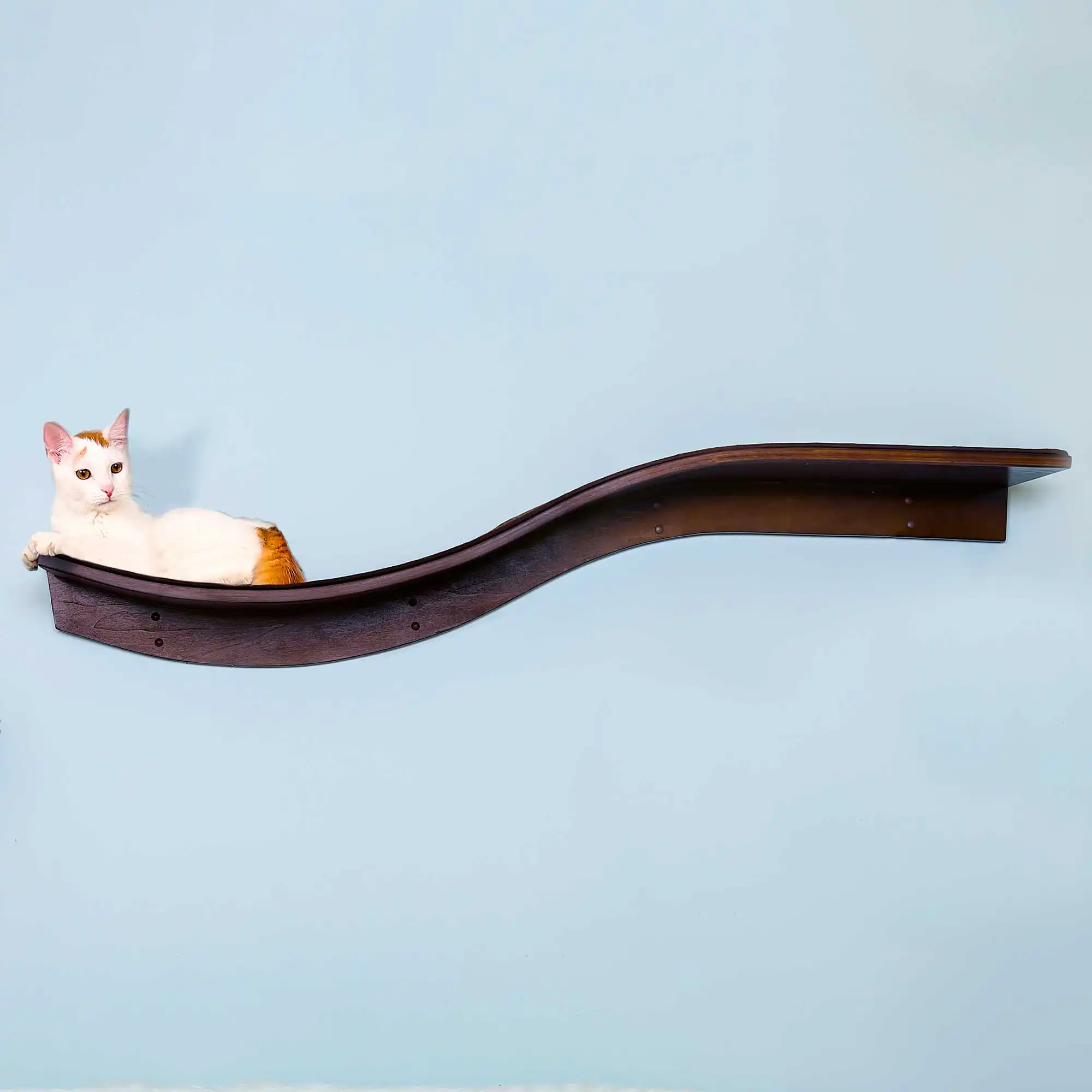
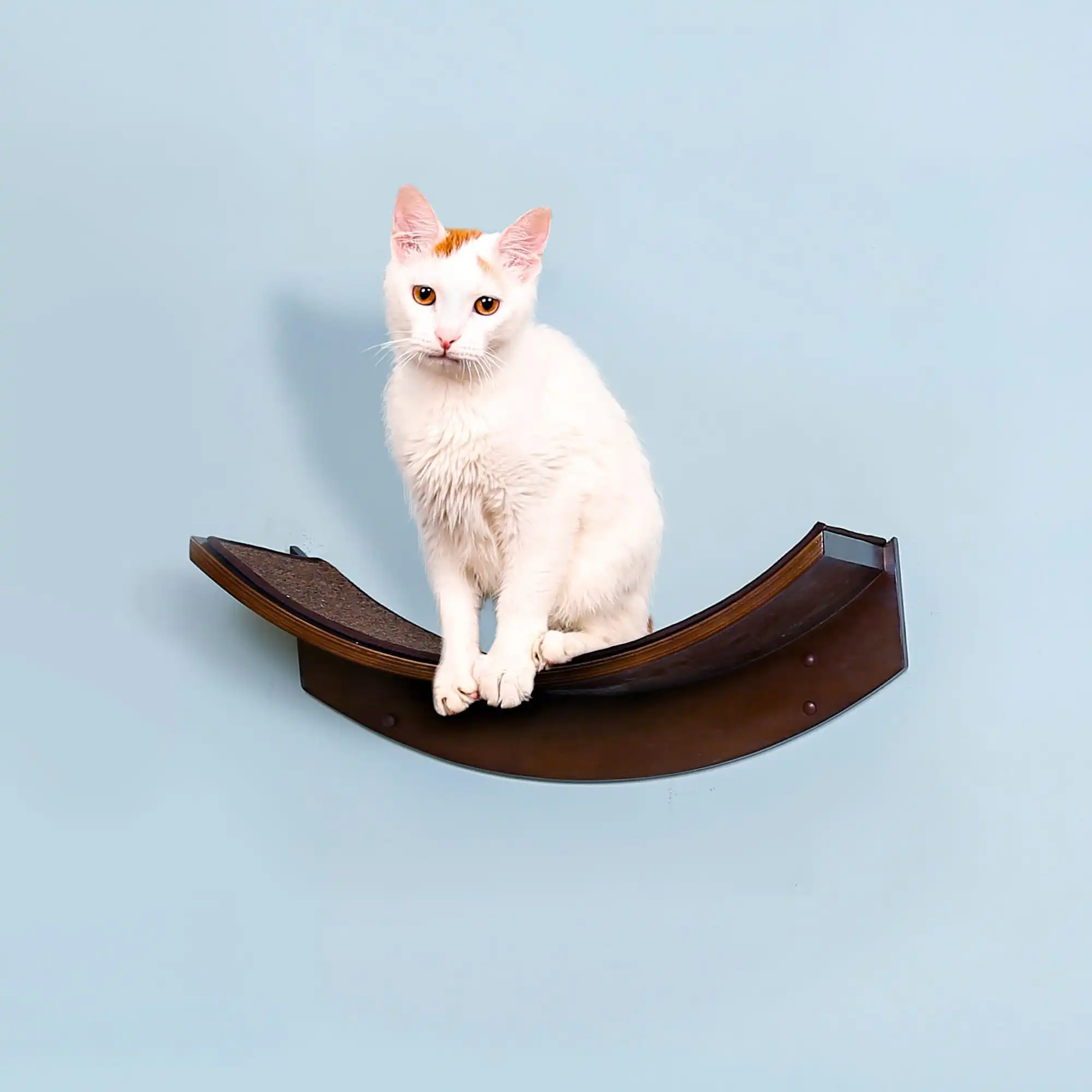
Wall-mounted perches andcurved shelving transform vertical space into feline playgrounds. Cats who can climb and perch throughout the day tend to be settled at night, especially when combined with a better sleep setup for cats.
Reason 3: Hunger or Thirst
Cats prefer small meals throughout the day. If your cat’s last meal was hours before bedtime, genuine hunger might wake them.
Some cats learn that 4 AM meowing gets breakfast. Smart creatures.
Fresh water matters equally. Cats can be particular about water, and if their bowl is empty or stale, they’ll vocalize. Leaving fresh water and a small portion of dry food accessible overnight helps, though be careful not to reinforce attention-seeking behavior.
Reason 4: Medical Issues
Some nighttime meowing stems from medical conditions. Hyperthyroidism, kidney disease, arthritis, high blood pressure, and urinary tract issues cause increased vocalization.
Senior cats may experience cognitive dysfunction syndrome, similar to dementia. Cats with cognitive decline become confused in darkness, leading to vocalization and wandering. Up to 50% of cats over 15 show signs of cognitive dysfunction.
Sudden changes in nighttime behavior warrant attention. If meowing is new, frequent, or accompanied by appetite changes, litter box issues, or altered energy levels, call your vet. Pain and confusion deserve prompt attention.
Reason 5: Hormonal Behavior
Unaltered cats experience powerful hormonal urges. Female cats in heat and male cats responding to females become extremely vocal at night. Mating-related yowling differs distinctly from regular meowing.
Spaying or neutering typically resolves the issue completely while providing health benefits like reducing cancer risk. Talk to your vet about scheduling the procedure.
Reason 6: Stress and Anxiety
Cats thrive on routine. Moving homes, rearranging furniture, new family members, or schedule shifts can trigger anxiety, manifesting as nighttime vocalization.
Some cats experience separation anxiety when humans sleep. While cats seem aloof, many form deep bonds and feel anxious when isolated. Modern cat furniture offering hiding spots and elevated perches gives anxious cats the needed security.
Proven Solutions That Work
Knowing why your cat meows is half the battle. Here’s what actually creates quieter nights.
Tire Them Out Before Bed
Dedicate 15-20 minutes to engaged play with prey-mimicking toys about two hours before bed. Follow with a small meal to replicate the hunt-eat-sleep cycle. Cats exercising before bed sleep more soundly.
Establish Evening Routines
Cats respond to predictable patterns. Your routine might include playtime, feeding, petting, and settling. Consistency matters more than specific activities. Choose a maintainable routine and stick with it.
Address Basic Needs
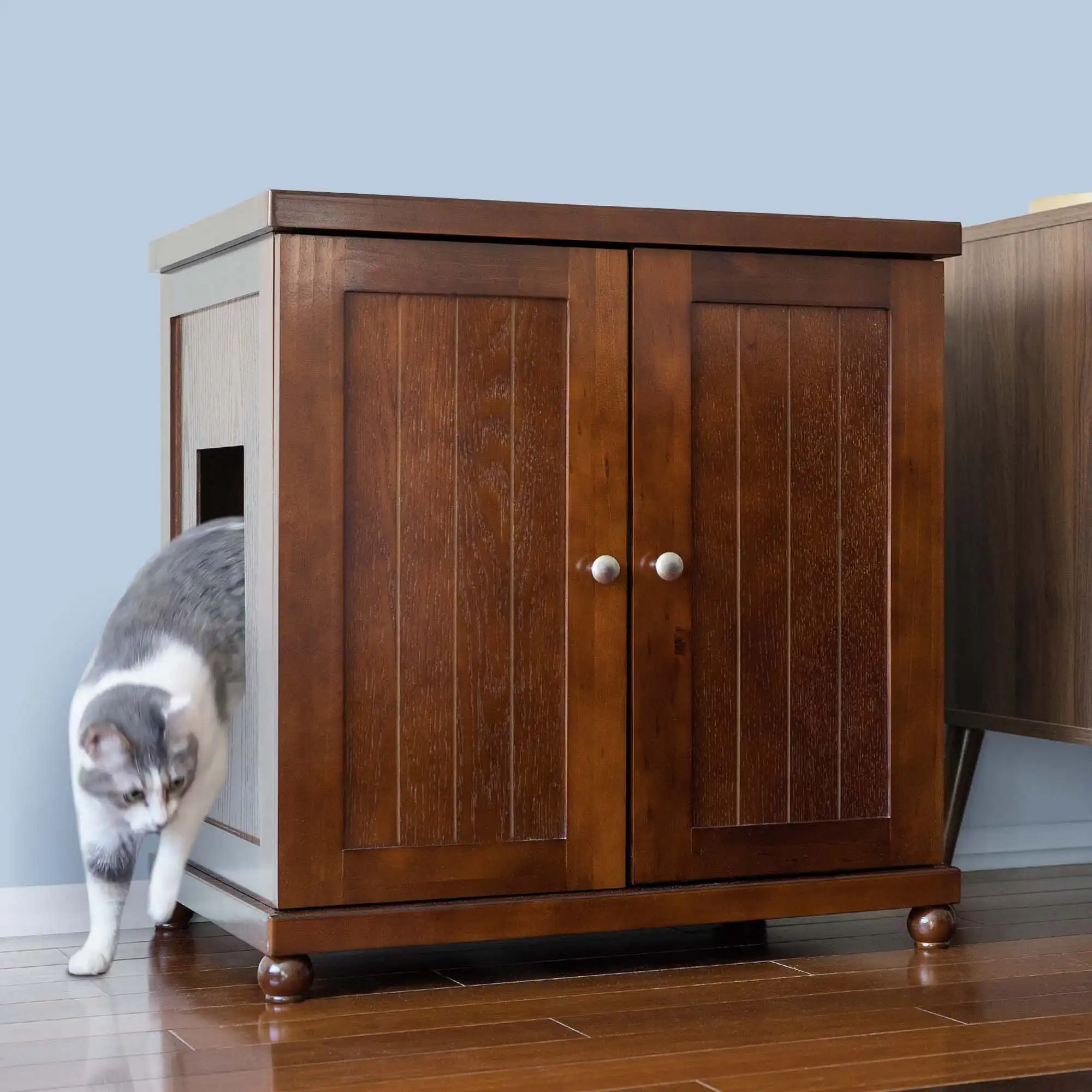
Before bed, ensure fresh water is available, and litter box furniture is clean and accessible. Cats won’t use dirty boxes and will vocalize about problems.
Manage Your Response Carefully
How you respond matters enormously. If cats learn that vocalization brings attention, food, or play, you’ve reinforced the behavior. Even negative responses (yelling, spray bottles) provide attention.
After ensuring genuine needs are met, a complete non-response works best. No eye contact, talking, or acknowledgment. Complete lack of response, while difficult, breaks attention-seeking patterns.
Prevent Through Daytime Enrichment
Creating stimulating daytime environments ensures cats expend energy during your waking hours. Interactive toys, puzzle feeders, andsophisticated climbing structures contribute to happier, settled cats and support a better sleep setup for cats.
Recognize When Veterinary Help Is Needed
Schedule appointments if meowing accompanies eating changes, drinking changes, weight fluctuations, litter box issues, or pain signs. Senior cats suddenly vocalizing at night need evaluation for cognitive dysfunction or arthritis.
Vets rule out medical causes and recommend appropriate solutions. Medical issues require proper diagnosis and treatment beyond behavioral changes.
Creating Peaceful Nights
Sleep affects quality of life for everyone. When you create environments where cats express natural behaviors appropriately, you’re building spaces where cats feel secure, stimulated, and content.
Quality cat furniture satisfying climbing instincts and providing secure perching doesn’t have to compromise home aesthetics. Modern designs blend seamlessly with contemporary interiors while meeting instinctual needs.
With patience and consistency, 3 AM wake-up calls can become history. Your cat wants peaceful nights, too. Sometimes they just need help getting there.
Frequently Asked Questions
Q. Why does my cat meow loudly at 3 AM every night?
Your cat likely meows at 3 AM due to crepuscular instincts, which make them naturally active during dawn hours. Hunger, boredom from lack of daytime stimulation, or learned behavior (if meowing has successfully gotten your attention before) are also common culprits. Rule out medical issues first, then address environmental and behavioral factors.
Q. Should I ignore my cat when they meow at night?
Ignore nighttime meowing only after confirming all basic needs are met: fresh water, clean litter box access, and no signs of pain or distress. Once you’ve ruled out genuine needs, consistent non-response helps discourage attention-seeking behavior. Never ignore sudden changes in behavior or signs of distress, as these could indicate medical problems.
Q. Will playing with my cat before bed stop the meowing?
Active play 1-2 hours before bedtime significantly reduces nighttime vocalization for many cats. Use interactive toys that engage hunting instincts, then follow with a small meal. While not a guaranteed fix for all cats, the hunt-eat-sleep cycle works well for cats with excess energy.
Q. Do older cats meow more at night?
Senior cats often increase nighttime vocalization due to cognitive dysfunction syndrome, which affects up to 50% of cats over 15. Age-related conditions like arthritis pain, hyperthyroidism, or kidney disease can also cause increased meowing. Any sudden behavioral change in an older cat requires veterinary evaluation.
Q. How long until my cat stops meowing at night?
Behavioral changes typically take 1-2 weeks of absolute consistency. You might see an “extinction burst” where meowing temporarily worsens before improving. Medical causes require treatment before behavioral improvements occur. Senior cats with cognitive issues may need ongoing management rather than complete resolution.
Q. Can stress cause cats to meow at night?
Yes, stress from environmental changes, new pets, moving, or schedule disruptions commonly causes nighttime vocalization. Cats experiencing anxiety may meow when feeling insecure at night. Maintaining consistent routines, providing secure hiding spots, and ensuring your cat has vertical spaces to retreat to all help reduce stress-related meowing.