

Why Do Cats Knead? What Your Cat’s “Biscuit Making” Really Means
If you have ever settled onto the couch only to have your cat climb into your lap and start pressing their paws into your legs, you know what “making biscuits” looks like. That push-pull motion is one of the most endearing things a cat can do.
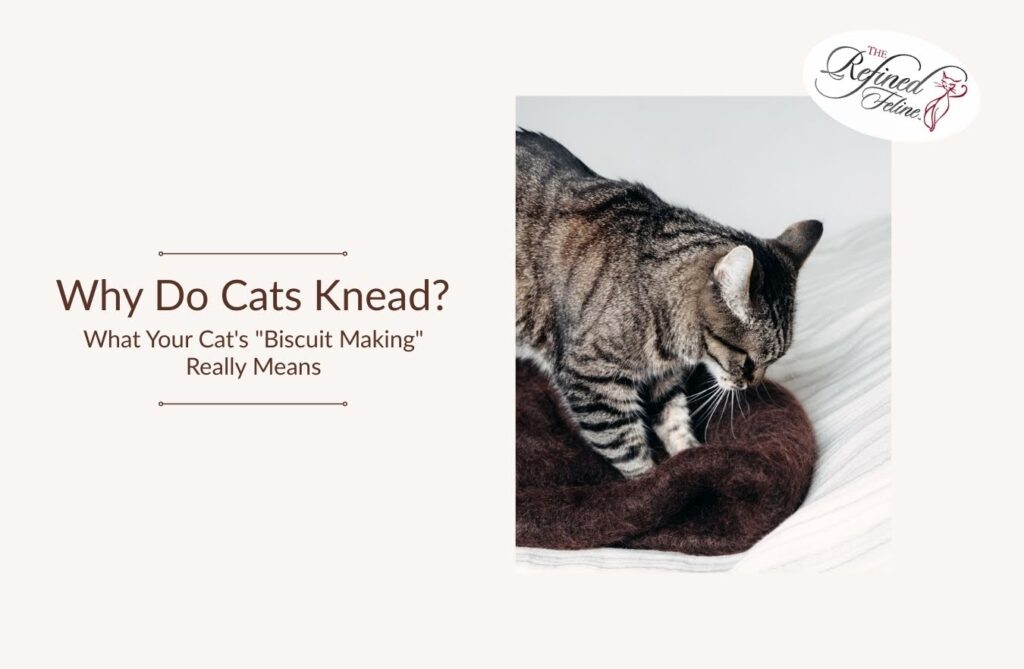
Cat kneading is a natural, instinctual behavior where a cat rhythmically pushes their paws in and out against a soft surface. Most cats do it on blankets, pillows, beds, or your lap. Not every cat kneads the same way, and some may not knead at all, but the behavior is common across all ages and breeds.
Why Do Cats Knead Their Paws?
Kneading begins in kittenhood and often carries into adult life. Here is a closer look at the most widely accepted reasons behind this comforting behavior.
Nursing Instinct From Kittenhood
Kittens knead around their mother’s teats to stimulate the flow of milk during nursing. As cats grow older, many continue the behavior because it triggers the same sense of comfort they felt as kittens.
Comfort and Contentment
A kneading cat is usually a happy cat. You will often notice your cat kneading right after being petted or while curling up in a favorite napping spot. When your cat kneads on you, it is a sign of deep affection and trust.
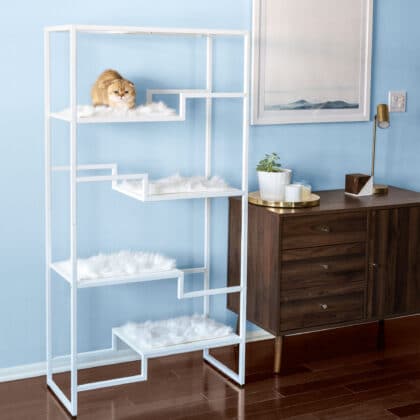
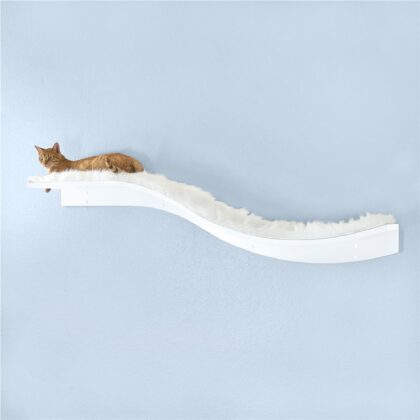
A modern cat tree with plush, carpeted platforms gives your cat the perfect spot to “make biscuits” and drift off to sleep.
Territory Marking Through Scent Glands
Cats have scent glands between their toes. Every time a cat kneads, they deposit pheromones onto the surface. Kneading on a blanket, a bed, or your lap is how your cat claims that space as their own. Scent marking through kneading helps cats feel secure, especially in multi-cat households where common feline behaviors play a bigger role than most people realize.
Preparing a Resting Place
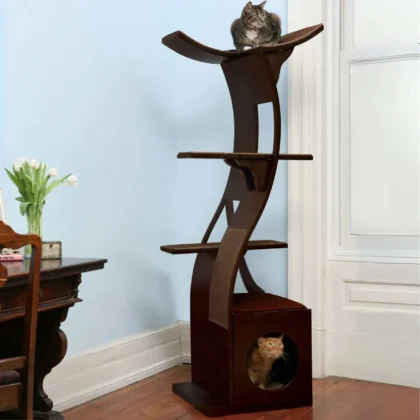
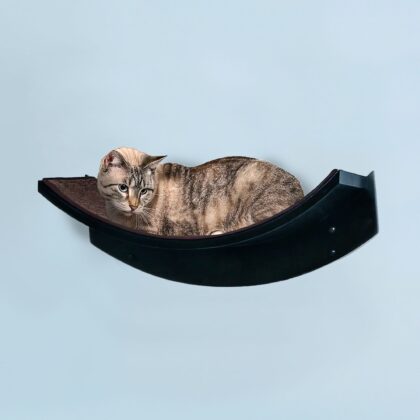
Wild cats paw at tall grass to create a comfortable nest before lying down. Your domestic cat carries this same instinct, kneading their bed or your favorite blanket to shape a cozy spot. A curved wall perch with soft, removable carpet gives them a designated area to settle into.
Stretching Stiff Muscles
Cats sleep an average of 12 to 16 hours a day, and all that rest can leave muscles feeling stiff. Kneading works as a gentle stretch that helps cats loosen up between naps.
Why Do Cats Knead Blankets and Soft Objects?
Blankets and soft surfaces are the most common targets for kneading, and the reasons come down to instinct.
Soft textures mimic the feel of a mother cat’s belly, which is why kneading on blankets may bring relaxation reminiscent of nursing. Cats also knead to tamp down bedding material before sleep. And because paw-pad scent glands are activated with every push, kneading soft objects is a way for cats to mark their favorite items.
An elevated wooden cat shelf lined with removable carpet can encourage your cat to knead in a designated area rather than on your furniture.
Why Do Cats Knead You?
When your cat kneads on your lap, take it as one of the highest compliments. Your cat associates you with the same safety and warmth they felt with their mother.
Some cats knead harder when feeling especially happy, which can get uncomfortable if claws are involved. A folded blanket on your lap creates a barrier, and keeping nails trimmed helps too. Never punish a cat for kneading, as your cat is simply showing you how much they care.
When Cat Kneading Could Signal a Problem
Occasional kneading is perfectly normal. However, a sudden increase in frequency or intensity could point to something worth paying attention to.
Cats sometimes knead excessively when anxious or stressed, using the motion to self-soothe. Cats dealing with joint pain, especially older cats experiencing age-related changes, may knead more to stretch sore muscles. Female cats in heat may also knead and purr more than usual.
If your cat is kneading significantly more than usual, paired with hiding, appetite changes, or discomfort, a visit to the veterinarian is a good idea.
How to Manage Cat Kneading at Home
You do not need to stop your cat from kneading, but you can redirect the behavior if it becomes uncomfortable.
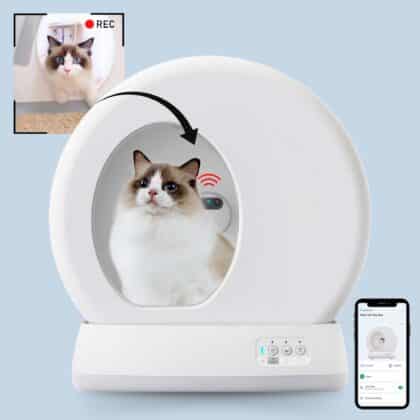
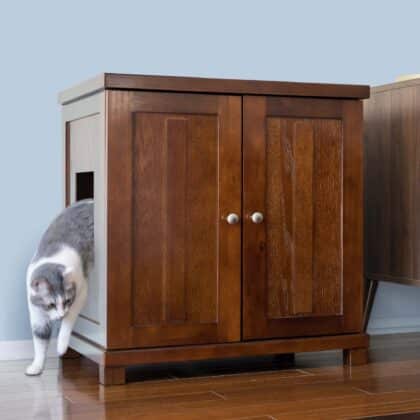
Provide soft, designated kneading spots where your cat likes to relax. Keep claws trimmed and place a blanket on your lap during kneading sessions. Adding a stylish litter box enclosure and resting furniture throughout your home gives your cat spaces where they feel safe.
Never declaw a cat to address kneading, as the procedure causes lasting harm. Gentle redirection and an enriched environment with options like a self-cleaning litter box cabinet are always the better path.
Join the Club
Your cat’s kneading paws tell a story of comfort, trust, and instinct passed down through generations. Every little push is a reminder of the bond you share. Share this guide with a fellow cat parent or explore our feline body language guides to keep learning what your cat is really telling you.
Frequently Asked Questions
Q. Why does my cat knead me and not other people?
Your cat likely kneads you because you are the person they feel safest with. Kneading is tied to kittenhood nursing comfort, so your cat is telling you that you make them feel secure.
Q. Is cat kneading a sign of affection?
Yes. Kneading is one of the most common ways cats express love. When your cat kneads on you, they are signaling happiness and safety.
Q. Why does my cat drool while kneading?
Drooling during kneading happens because the behavior triggers memories of nursing. A drooling, kneading cat is simply in a deeply relaxed and contented state.
Q. At what age do cats start kneading?
Kittens begin kneading shortly after birth to stimulate milk flow. Many continue throughout their lives, while some stop after kittenhood.
Q. Should I stop my cat from kneading?
No. Kneading is a natural behavior cats should express freely. If claws make it uncomfortable, place a blanket on your lap or keep nails trimmed.
Q. Why does my cat knead before lying down?
Cats knead before lying down to prepare a comfortable resting spot, a behavior inherited from wild ancestors who pawed at grass to create safe nests. Your cat may also be marking the area with scent glands in their paws.