

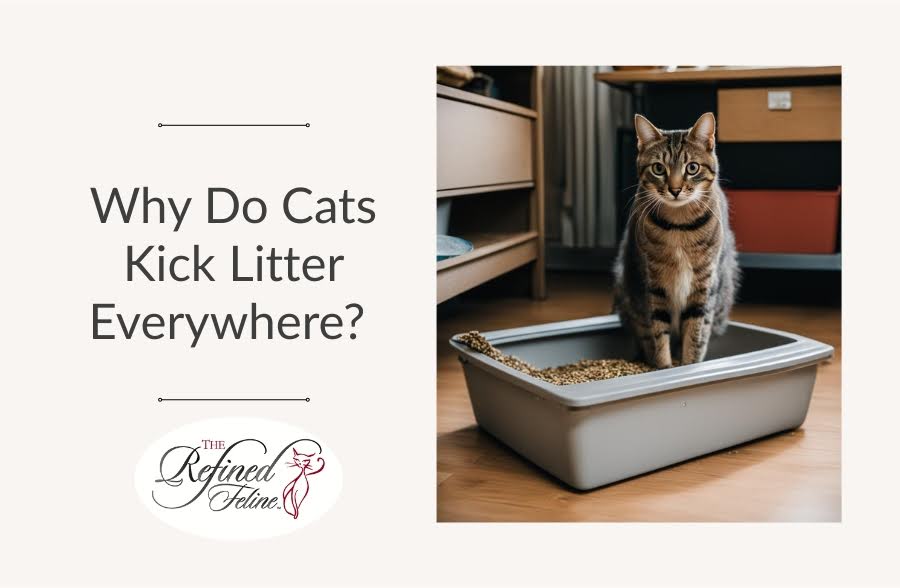
Why Do Cats Kick Litter Everywhere?
If your floors look like a crime scene from CSI: Feline Investigation Unit, you’re dealing with one of pet ownership’s most persistent mysteries. Like Garfield’s legendary lasagna obsession or the Cheshire Cat’s mischievous grin, litter-kicking behavior is simply part of feline DNA. This isn’t your cat being a furry little rebel; it’s millions of years of evolution playing out in your living room.
Every scattered granule tells a story of survival instincts, territorial marking, and behaviors that kept wild cats alive long before they became Instagram stars. The paw-some truth is that understanding why cats kick litter everywhere gives you the power to manage this mess without fighting against your cat’s natural programming. You’re not dealing with defiance, you’re witnessing ancient wisdom in action, even if that wisdom currently decorates your hardwood floors.
Understanding Why Cats Kick Litter
Cat litter scattering represents one of the most misunderstood feline behaviors that frustrates millions of pet parents daily. When cats dig and scatter litter, they’re following ancient programming that helped their wild ancestors stay alive in dangerous environments. This behavior combines instinctual survival tactics with learned habits from kittenhood, creating a complex mix of natural and environmental factors that modern house cats can’t simply “turn off.”
The Science Behind Feline Digging Behavior
Cats possess specialized paw muscles and nerve endings that make them exceptionally skilled diggers, evolved specifically for waste burial and territory establishment. This neurological wiring triggers automatic responses when cats encounter loose substrates like litter, sand, or soil. The digging motion releases endorphins that create positive associations with thorough waste covering, making this behavior self-reinforcing and deeply satisfying for cats.
Modern Cats, Ancient Instincts
Pampered house cats retain identical genetic programming to their wild counterparts, with no evolutionary pressure to reduce these behaviors. Domestic environments can actually intensify natural digging behaviors because cats have unlimited time and energy to devote to thorough waste burial without survival pressures interrupting the process.
The Natural Instincts Behind Cat Litter Scattering
Understanding why cats kick litter everywhere starts with recognizing that this behavior serves multiple survival functions that remain hardwired into feline genetics. These instincts operate automatically, regardless of whether your cat faces real threats or enjoys a pampered indoor lifestyle.
Predator Avoidance and Survival Mechanisms
Cats evolved as mesopredators, occupying a unique position where they both hunt smaller prey and serve as prey for larger predators. This dual role created intense evolutionary pressure for effective waste concealment strategies.
Wild cats bury their waste to eliminate scent trails that could attract dangerous predators like coyotes, mountain lions, or birds of prey. The vigorous kicking motion serves multiple survival purposes:
- Creates scent confusion points that make location tracking difficult
- Disperses waste materials to prevent concentrated odor buildup
- Establishes multiple digging sites to confuse potential threats
- Removes parasite-carrying materials from immediate living areas
Even your Persian or Maine Coon carries this genetic programming, treating every litter box visit like a potential survival situation that requires thorough concealment protocols.
Territory Marking Through Scent Communication
Cat paws contain interdigital scent glands that release unique chemical signatures during digging and scratching activities. When cats kick litter everywhere, they create personalized scent maps that communicate vital information to other cats about health status, reproductive condition, and territorial claims.
The kicking motion maximizes scent distribution across wider areas than simple waste burial alone. This chemical communication system operates like an invisible social network where cats leave detailed personal profiles that only other felines can fully decode and understand.
Learned Behaviors and Developmental Factors Behind Cats Kicking Litter
Litter box behaviors develop through complex interactions between genetic programming and early learning experiences that shape lifelong bathroom habits.
The Critical Mother Cat Influence
Kittens learn essential litter box etiquette by observing their mothers during the critical socialization period between 2-9 weeks of age. This learning process involves detailed observation of digging techniques, burial depth, and kicking patterns that become permanent behavioral templates.
| Mother Cat Digging Style | Kitten Development Outcome | Adult Litter Behavior |
| Minimal, surface scratching | Light digging, less mess | Moderate litter scattering |
| Moderate, methodical burying | Balanced technique | Standard cleanup needs |
| Enthusiastic, vigorous digging | Intensive burial behaviors | Heavy litter kicking |
| Inconsistent or anxious patterns | Uncertain techniques | Variable mess levels |
Early Separation Consequences
Kittens separated from their mothers before 8 weeks often develop inconsistent or excessive litter box behaviors because they missed crucial learning opportunities. These self-taught cats frequently overcompensate with their burial efforts, creating more mess as they try to achieve instinctually demanded waste coverage without proper technique training.
Common behaviors in early-separated cats include:
- Extended digging sessions before elimination
- Excessive post-elimination covering attempts
- Inconsistent burial depth and technique
- Higher anxiety around litter box activities
Environmental Factors That Increase Cat Litter Kicking
Multiple environmental variables directly impact how much litter your cat scatters during normal bathroom routines. Addressing these factors systematically often resolves 70-80% of excessive mess problems without requiring behavior modification.
Litter Box Size and Design Problems
Inadequate litter box dimensions force cats into uncomfortable positions that naturally lead to more vigorous digging and increased scattering. Proper box sizing requires specific measurements based on your individual cat’s body dimensions and mobility needs.
Essential sizing requirements:
- Length: 1.5 times your cat’s body length (nose to tail base)
- Width: Equal to your cat’s full body length
- Height: 4-6 inches for standard cats, 3-4 inches for senior/arthritic cats
- Entry height: No more than 1/4 of your cat’s leg length
High-sided designs significantly reduce scattered litter by containing natural kicking motions within box boundaries, while low-sided boxes allow every vigorous scratch to send litter flying across floors.
Cleanliness Standards and Hygiene Preferences
Cats maintain extremely high cleanliness standards that exceed most human bathroom expectations. Dirty or smelly litter boxes trigger avoidance behaviors that cause cats to dig around edges where cleaner litter exists, dramatically increasing scattered mess.
Optimal cleaning schedule:
- Daily waste removal – scoop solid waste and clumps immediately when possible
- Weekly litter refresh – add fresh litter to maintain proper depth
- Bi-weekly complete changes – empty, clean, and refill entire box
- Monthly deep cleaning – sanitize box with pet-safe cleaners
- Box replacement – replace scratched or odor-retaining boxes annually
Litter Depth and Texture Variables
Litter depth directly affects digging satisfaction and waste coverage success. Too little litter frustrates cats who cannot achieve proper burial, while excessive depth creates unstable surfaces that require more vigorous digging to reach solid bottom surfaces.
Optimal litter management specifications:
- Depth range: 2-3 inches for most cats
- Senior cats: 1.5-2 inches to reduce digging effort
- Large breeds: 3-4 inches for proportional coverage
- Multiple cats: Maintain depth through frequent additions
Texture preferences vary significantly between individual cats, with research showing 78% prefer fine-grain clumping varieties while 22% favor alternative textures like crystals or pellets.
Behavioral and Medical Considerations
Changes in litter-kicking intensity or patterns often signal underlying issues that require attention beyond simple environmental modifications.
Playful Behavior and Sensory Satisfaction
Young cats and naturally playful adults sometimes treat litter boxes like personal entertainment centers, engaging in recreational digging unrelated to elimination needs. The texture and temperature of litter provide sensory satisfaction that some cats genuinely enjoy, especially during warm weather when cool litter offers comfort.
Common play-related litter behaviors:
- Rolling or lying in fresh, clean litter
- Digging elaborate holes without eliminating
- “Hunting” movements through litter substrate
- Extended post-elimination digging sessions
Medical Issues That Affect Litter Habits
Sudden increases in litter-kicking behavior often indicate health problems that cause discomfort or urgency during elimination. Medical conditions create behavioral changes as cats attempt to accommodate physical limitations or pain.
Health conditions that intensify litter scattering:
- Urinary tract infections: Cause urgency and frequent, prolonged bathroom visits
- Arthritis: Makes positioning difficult, leading to compensatory digging
- Kidney disease: Creates increased elimination frequency and duration
- Digestive issues: Cause prolonged positioning and extended covering behaviors
- Stress-related conditions: Manifest as intensified natural behaviors
Proven Solutions for Managing Cat Litter Scatter
Effective litter mess management requires systematic approaches that work with feline instincts rather than against them. These evidence-based solutions address root causes while respecting your cat’s natural behavioral needs.
Equipment and Setup Modifications
Strategic equipment choices eliminate most scattered litter problems without requiring any changes to your cat’s natural behaviors or instincts.
Top-performing litter containment solutions:
- Large, high-sided boxes with low entry points
- Double-layer litter mats with strategic placement
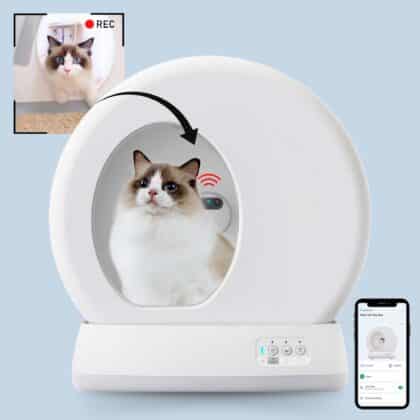
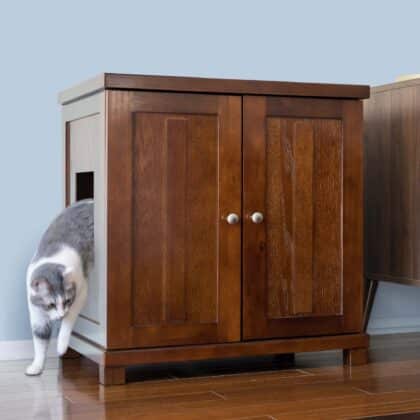
- Covered boxes for appropriate candidates
- Multiple box systems
Litter Management Optimization
Proper litter selection and maintenance significantly impact both mess creation and your cat’s bathroom satisfaction levels.
Evidence-based litter management practices:
- Maintain a consistent 2-3 inch depth for optimal digging satisfaction
- Use fine-grain clumping varieties preferred by 78% of cats in behavioral studies
- Implement gradual transitions when changing litter types or brands
- Monitor individual preferences through side-by-side testing methods
- Replace boxes annually to prevent odor retention and encourage continued use
Advanced Cat Litter Mess Prevention Strategies
Professional-grade approaches can eliminate virtually all household litter scatter while maintaining your cat’s comfort and natural behavioral expression.
Room Design and Traffic Flow Management
Strategic bathroom area design minimizes litter tracking throughout your home while creating dedicated spaces that contain inevitable mess.
Optimal litter area specifications:
- Dedicated room or alcove with easy-clean flooring
- Multiple mat layers creating progressive cleaning zones
- Appropriate ventilation for odor control without drafts
- Easy access for both cats and cleaning activities
- Non-slip surfaces for safe entry and exit
Behavioral Monitoring and Health Tracking
Regular behavior documentation helps identify changes that might indicate health issues or environmental problems requiring attention.
Key monitoring indicators:
- Digging duration and intensity changes
- Elimination frequency variations
- Post-bathroom behavior modifications
- Appetite or activity level shifts
- Physical mobility or positioning difficulties
When to Consult Your Veterinarian About Your Cat Kicking Litter Everywhere
Professional veterinary evaluation becomes necessary when litter box behaviors change suddenly or accompany other concerning symptoms that might indicate underlying health problems.
Immediate veterinary consultation indicators:
- Sudden dramatic increases in litter kicking intensity
- Straining or crying during elimination attempts
- Blood in urine or stool samples
- Frequent trips with little or no waste production
- Complete litter box avoidance or accidents outside designated areas
- Accompanying symptoms like appetite loss, lethargy, or behavioral changes
Document specific changes with dates and details to help veterinarians identify potential medical connections and develop appropriate treatment protocols.
Key Takeaways
- Cat litter kicking stems from essential survival instincts that helped wild ancestors avoid predators through thorough waste burial and scent confusion techniques
- Learned behaviors from mother cats significantly shape adult bathroom habits, with enthusiastic diggers often raising similarly thorough offspring through detailed observation
- Environmental factors like box size, cleanliness, and litter depth directly control mess creation, with proper specifications reducing scatter by 70-80% immediately
- High-sided litter boxes and 2-3 inch litter depth effectively contain natural kicking motions while satisfying cats’ instinctual burial requirements
- Strategic mat placement and equipment selection capture scattered litter before household distribution while respecting feline behavioral needs
- Sudden behavior changes require veterinary evaluation to identify potential medical causes like infections, arthritis, or digestive issues affecting elimination
Frequently Asked Questions
Q. Why does my cat kick litter immediately after using the box?
Post-elimination kicking represents your cat’s instinctual waste-covering behavior at maximum intensity, triggered by fresh scent that demands immediate burial attention. This behavior indicates healthy bathroom habits and proper instinctual functioning, though it creates the most dramatic litter scatter events. The kicking intensity correlates with individual personality traits and stress levels, meaning naturally fastidious cats or anxious cats often kick more vigorously than relaxed counterparts. Reduce post-elimination mess with higher box sides and strategic mat placement that captures flying litter before floor distribution.
Q. Is excessive litter kicking ever a medical concern?
Sudden increases in kicking intensity or duration changes warrant veterinary consultation to eliminate medical causes like urinary tract infections, arthritis, or digestive problems. Normal litter kicking remains consistent over time without interfering with successful elimination, while problematic behaviors often include straining, crying, frequent trips, or box avoidance. Monitor for accompanying symptoms like appetite changes, lethargy, or elimination difficulties that suggest underlying health issues requiring professional evaluation. Document behavior changes with specific dates and details to help veterinarians identify potential medical connections.
Q. Will covered litter boxes completely stop the mess?
Covered boxes significantly reduce scattered litter but cannot eliminate all mess, especially for cats who kick vigorously during pre-elimination digging phases. Individual cat personalities determine covered box success, with confident cats often accepting them while anxious cats may reject enclosed spaces completely. Successful covered box use requires proper ventilation and visibility to prevent claustrophobic reactions that could cause complete litter box avoidance. Introduce covered options gradually while maintaining familiar alternatives to gauge individual preferences without forcing unwanted changes.
Q. How many litter boxes minimize household mess?
Optimal box quantity equals one per cat plus one additional to prevent territorial competition and provide adequate facilities for different elimination preferences. Multiple boxes distributed throughout accessible locations reduce travel urgency that can lead to hurried, messy bathroom visits with increased scattering. Many cats prefer separate boxes for urination and defecation, making multiple options essential for proper elimination habits and reduced mess creation. Strategic placement in quiet, easily accessible areas encourages consistent use while minimizing stress elimination behaviors.
Q. Can training reduce my cat’s natural messiness?
Training cannot suppress fundamental digging and burying instincts without potentially creating behavioral problems, stress responses, or complete litter box avoidance. Focus on environmental management rather than behavior suppression through appropriate box sizing, litter selection, and containment solutions that work with natural instincts. Positive reinforcement supports good litter box habits through treats and praise after successful bathroom visits, but punishment for natural behaviors often backfires spectacularly. Optimize your cat’s environment to accommodate instinctual needs rather than fighting millions of years of evolutionary programming.
Q. What litter types work best for heavy kickers?
Fine-grain clumping litters satisfy most cats’ texture preferences while providing adequate burial material without excessive weight that increases scatter distance during kicking. Heavier alternatives like traditional clay or crystal varieties tend to stay closer to boxes during vigorous kicking due to increased mass and reduced flight potential. Avoid lightweight, dusty products that create airborne particles and travel further when kicked, creating additional cleaning challenges throughout living spaces. Test different options gradually through side-by-side placement to identify individual preferences while minimizing household disruption during transition periods.