

Why Is My Cat Lying Down in Their Litter Box?
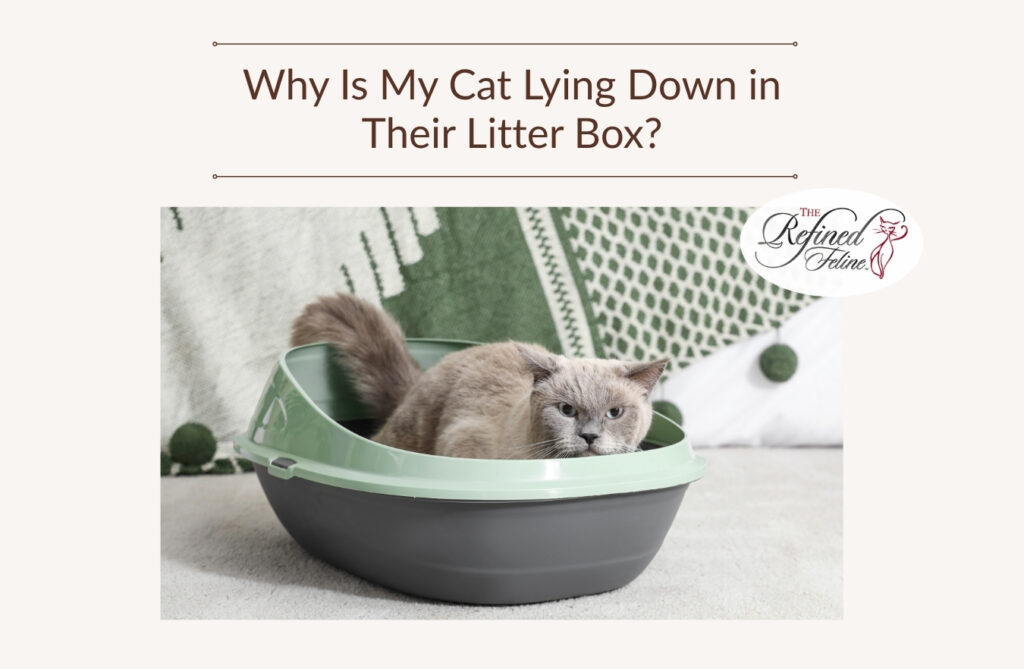
Walking into the room and finding your cat lounging in their litter box can stop you in your tracks. Cats are famously clean creatures, so choosing the litter box as a resting spot feels contradictory. But your cat is not being strange for the sake of it. Something is motivating this behavior, and understanding the reason is the first step toward helping them.
Whether the cause is medical, behavioral, or environmental, here is what you need to know.
Medical Reasons Your Cat May Lie in the Litter Box
When a cat that normally avoids lingering in the litter box suddenly starts resting there, a health issue may be driving the change. A vet visit should always be your first step if this behavior appears suddenly or persists for more than a day or two.
Urinary Tract Issues
Urinary tract infections, bladder inflammation, and kidney disease can all increase the urgency and frequency of urination. A cat dealing with these conditions may stay close to or inside the litter box because leaving feels risky when the urge to go strikes again so quickly. Male cats experiencing urinary blockages should be seen by a vet immediately, as this is a medical emergency.
Gastrointestinal Problems
Constipation or diarrhea can cause similar behavior. A cat struggling with either condition may camp out in the litter box, waiting for relief. If your cat appears to be straining or visiting the box repeatedly without producing much waste, contact your vet promptly.
Mobility Issues and Arthritis
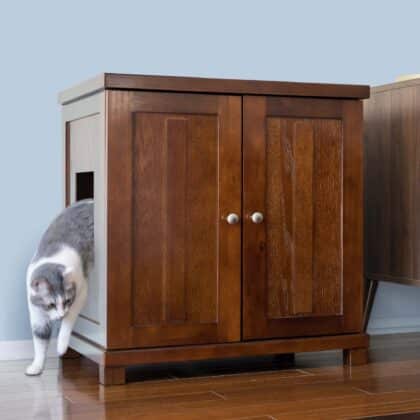
Older cats with arthritis or joint pain may find the effort of climbing in and out of the litter box exhausting. Once inside, staying put can feel easier than making the return trip. A low-entry litter box enclosure with easy access reduces the physical demand and may help break this cycle.
Cognitive Decline
Senior cats experiencing cognitive dysfunction may forget why they entered the litter box in the first place. Confusion about routines and surroundings can lead to prolonged time spent inside the box. If your older cat also shows changes in sleep patterns, appetite, or social behavior, a vet evaluation is important.
Behavioral and Environmental Reasons
Not every case of litter box lounging points to a health problem. Stress, anxiety, and environmental factors play a significant role in this behavior.
Stress and Anxiety
Cats retreat to familiar, scent-marked spaces when they feel overwhelmed. A recent move, a new pet, a household renovation, or even a change in daily routine can push a cat to seek comfort in the one space that smells most like them. Covered or enclosed litter boxes feel especially secure because of the walls surrounding the cat.
Territorial Behavior
In multi-cat households, one cat may guard the litter box to prevent others from using it. Providing one box per cat, plus one extra, reduces competition. Placing boxes in different areas of your home gives each cat a private, comfortable spot.
New Environment or Adoption
Newly adopted cats, especially those from shelters, may use the litter box as a den because it is the most familiar object in an unfamiliar space. As they acclimate to their new home, this behavior typically fades. Providing cozy alternatives like a soft bed or a quiet hiding spot with a blanket speeds up the transition.
Comfort and Temperature
Some cats genuinely like the texture and warmth of certain litters. Clay and wood-based litters can retain heat, making the box feel cozy during cooler months. If your cat seems relaxed and healthy while resting in the box, the texture or temperature may simply be appealing.
Pregnancy
A pregnant cat may spend more time in the litter box for a combination of reasons. Increased urinary frequency, fatigue, and nesting instincts can all play a role. As a cat nears the end of her pregnancy, she may begin searching for a quiet, enclosed space to give birth, and the litter box can feel like a safe option. Providing a dedicated nesting box with soft bedding in a quiet room gives her a better alternative.
How to Encourage Your Cat to Rest Elsewhere
Once medical causes have been ruled out, a few environmental adjustments can redirect your cat toward more comfortable resting spots.
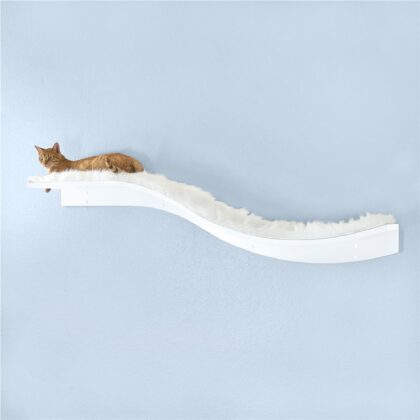
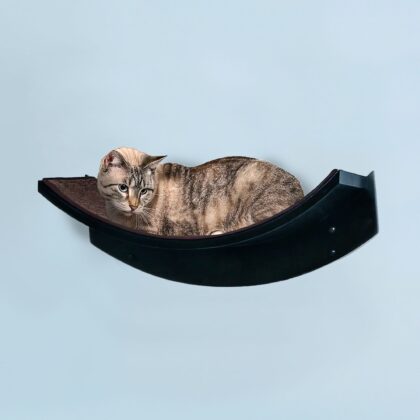
Offer cozy alternatives in quiet areas of your home. A soft cat bed placed in a low-traffic corner, or a cushioned wall perch near a sunny window, gives your cat a secure, warm place to relax. Cats who crave enclosed spaces may prefer a cat cave or covered bed that mimics the feeling of security a litter box provides.
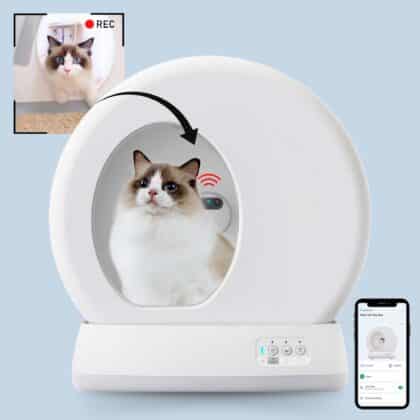
Keep the litter box clean. A freshly scooped box is less inviting as a resting spot because the scent is less concentrated. Pairing your box with a self-cleaning system ensures waste is removed after every use, keeping the box functional rather than comfortable for lounging.
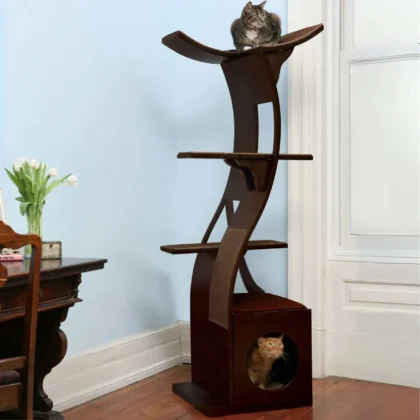
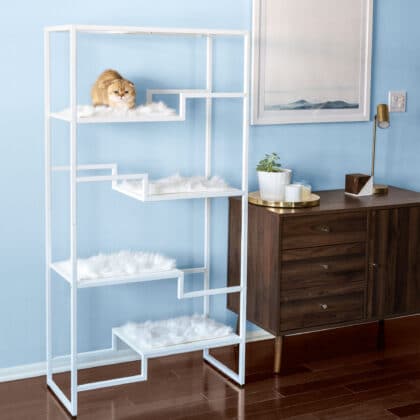
Enrichment also plays a key role. Cats who feel stimulated and engaged are less likely to camp out in the litter box out of boredom. A multi-level cat tower with climbing platforms, scratching surfaces, and elevated perches provides outlets for energy and curiosity that a litter box cannot match. Adding wall-mounted climbing shelves near the litter box area gives your cat a more appealing destination after they finish their business.
For cats adjusting to a new home, giving them time, patience, and a consistent routine makes the biggest difference. Avoid forcing them out of the box. Instead, place treats and familiar scents near the alternatives you want them to use.
When to Call the Vet
Schedule a vet appointment if your cat is lying in the litter box and also showing any of the following signs: straining to urinate, producing little or no output, blood in urine or stool, loss of appetite, lethargy, or sudden weight loss. A change in litter box habits that persists beyond a few days, even without other symptoms, is worth investigating.
Join the Club
Your cat’s behavior always has a reason behind it, and paying attention to where they choose to rest can reveal a lot about how they feel. Whether you are addressing a health concern or simply creating a cozier home, small changes make a real difference. Browse our full collection of modern cat furniture and litter solutions designed to give your cat the comfort and security they need, in all the right places.
Frequently Asked Questions
Q. Is it normal for a cat to lie in the litter box?
Occasional resting in a clean litter box is not always cause for alarm, especially in kittens or newly adopted cats. However, if the behavior becomes routine, it may indicate stress, illness, or a lack of comfortable alternatives.
Q. Why does my kitten sleep in the litter box?
Kittens are still learning about their environment and may see the litter box as a safe, familiar spot. Providing a cozy bed nearby and keeping the litter box clean usually helps kittens transition to more appropriate sleeping areas.
Q. How do I stop my cat from lying in the litter box?
Start by ruling out medical issues with your vet. Then, provide appealing alternatives like soft beds, enclosed cat caves, or elevated perches. Keep the litter box clean, and place comfortable resting options in quiet areas your cat already gravitates toward.
Q. Can stress cause a cat to lie in the litter box?
Yes. Cats often retreat to scent-marked, enclosed spaces during times of stress. Changes in the household, new pets, or unfamiliar environments are common triggers. Reducing stressors and providing multiple safe resting spots can help.
Q. Should I be concerned if my senior cat starts lying in the litter box?
A sudden change in a senior cat’s behavior warrants a vet visit. Arthritis, cognitive decline, kidney disease, and urinary issues are all more common in older cats and can lead to increased time spent in or near the litter box.
Q. Does the type of litter box matter for this behavior?
An enclosed or covered litter box may feel more secure to an anxious cat, which could encourage lounging. Switching to an open-top box or providing equally secure alternatives, like a covered cat bed, can help redirect the behavior.