

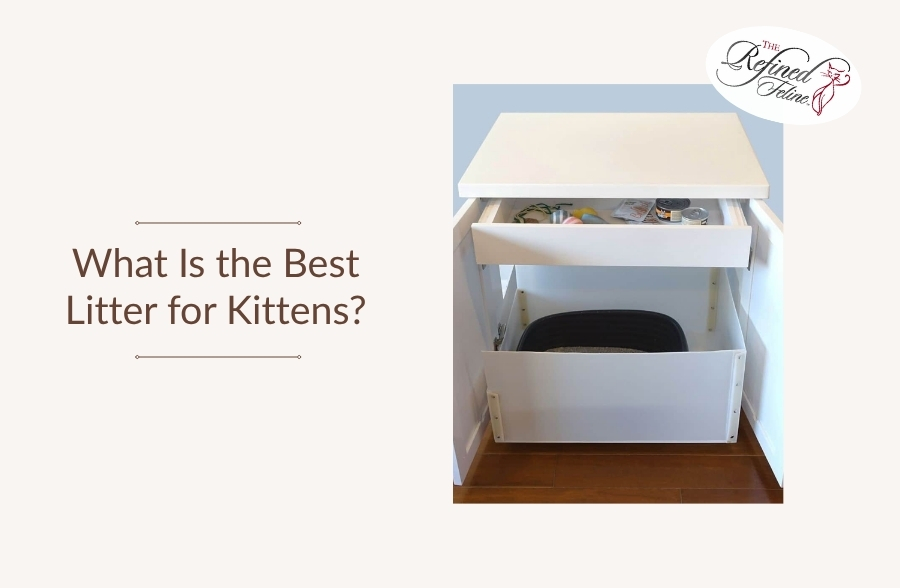
What Is the Best Litter for Kittens?
When a new kitten joins your family, even small decisions carry real weight. The type of litter you pour into that box affects your kitten’s comfort, health, and willingness to use the litter box consistently. Choosing the best litter for kittens means thinking about safety, texture, dust levels, and how well it works with your kitten’s developing habits.
Here is everything you need to know to pick the right litter for your little one.
Why Kitten Litter Is Different from Adult Cat Litter
Kittens are naturally curious and tend to explore with their mouths. A litter that is perfectly fine for an adult cat can pose risks to a young kitten who decides to taste or chew on it. Kittens also have more sensitive respiratory systems, making them more vulnerable to dusty formulas.
The best litter for kittens prioritizes three things: safety if accidentally ingested, a soft texture that feels gentle on tiny paws, and low dust production to protect developing lungs.
Once your kitten is past the exploratory phase and fully comfortable with litter box training, you can gradually transition to the type of litter that works best for your household long-term.
Non-Clumping vs. Clumping Litter for Kittens
One of the most important decisions is whether to start with non-clumping or clumping litter. Each type has advantages and trade-offs.
Non-Clumping Litter
Non-clumping litter absorbs moisture without forming solid clumps. Veterinarians often recommend non-clumping formulas for kittens under 6 months because they pose less risk if ingested. Clumping litter can swell inside a kitten’s digestive tract and potentially cause blockages, which is why starting with a non-clumping option is the safer route.
Paper-based and pine pellet litters are popular non-clumping choices. Both are soft, low-dust, and free from harsh chemicals.
Clumping Litter
Clumping litter forms solid clumps when it contacts moisture, which makes daily scooping faster and more efficient. Most clumping litters are clay-based and work well with enclosed litter box furniture and self-cleaning systems.
For kittens over 6 months who no longer nibble at litter, clumping clay is a reliable everyday option. Look for unscented formulas with low dust to keep your kitten comfortable.
Best Types of Litter for Kittens
Not all litter materials are created equal. Here is a comparison of the most common options and how they perform for kittens.
| Litter Type | Kitten Safe? | Dust Level | Texture | Odor Control |
| Paper pellets | Yes, all ages | Very low | Soft | Moderate |
| Pine pellets | Yes, all ages | Low | Firm | Good (natural pine scent) |
| Grass-based | Yes, all ages | Very low | Soft, sand-like | Good |
| Corn or soy-based | Yes, with caution | Low | Soft | Moderate |
| Clumping clay | Over 6 months | Varies | Fine grain | Good |
| Crystal/silica | Over 4 months | Low | Firm, granular | Very good |
Paper and pine pellet litter are the gentlest starting points. Once your kitten matures and stops putting litter in their mouth, you can switch to clumping clay for easier maintenance, especially if you use a self-cleaning litter box that requires clumping litter to function properly.
What to Avoid in Kitten Litter
Some ingredients and characteristics can cause problems for young cats. Keep these in mind while shopping.
Scented Formulas
Kittens have a keen sense of smell, and strong fragrances can deter them from using the litter box. Scented litter may also irritate sensitive respiratory passages. Unscented litter with natural odor control, such as activated charcoal or baking soda, is a better fit for kittens.
High-Dust Products
Dusty litter can trigger sneezing, eye irritation, and respiratory discomfort in kittens. Always check the label for “low-dust” or “dust-free” claims. Natural litters made from wood, paper, or grass tend to produce less dust than some clay formulas.
Corn-Based Litters with Moisture Exposure
While corn litters are generally safe, they can develop mold when exposed to moisture for extended periods. If you choose a corn-based formula, scoop frequently and replace the full box weekly to prevent any issues.
How to Transition Your Kitten to New Litter
Kittens, like adult cats, can be particular about changes to their litter box. A gradual transition reduces the risk of litter box avoidance.
Start by mixing a small amount of the new litter with the old formula. Over 7 to 10 days, increase the ratio of new litter until the switch is complete. Watch your kitten’s behavior during the transition. If they hesitate or start having accidents, slow the process down.
Maintaining a consistent litter box location during the transition also helps. Cats are creatures of habit, and keeping the box in its usual spot provides reassurance while the litter itself changes. For more tips on keeping the box fresh, our guide on removing litter box odor covers daily and weekly cleaning routines that work.
Matching Litter to Your Litter Box Setup
Your choice of litter should also work with the type of litter box in your home. Here are a few pairings to consider.
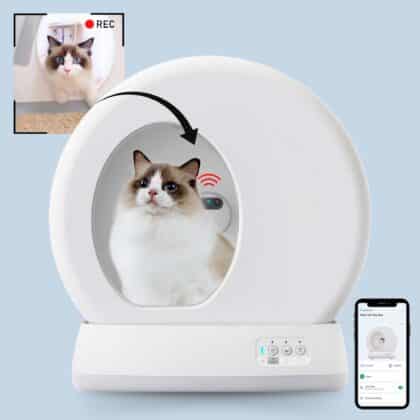
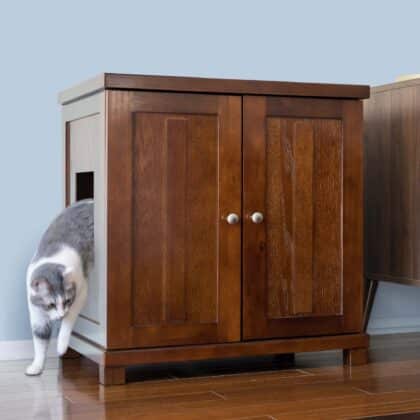
Open or low-sided boxes work with any litter type, making them ideal for young kittens still learning. Enclosed litter box cabinets pair well with low-tracking pellet or crystal litters that stay contained inside the enclosure. Automatic litter boxes typically require clumping clay litter to sift and separate waste properly.
If you plan to upgrade to an automatic system as your kitten grows, starting with non-clumping litter and gradually transitioning to clumping clay around 6 months makes the shift smoother for everyone.
Keeping Your Kitten’s Litter Box Clean
No matter which litter you choose, cleanliness is the single biggest factor in whether your kitten will use the box consistently. Scoop at least once per day. Replace the full contents of the box weekly for non-clumping litter, or top off clumping litter as needed after scooping.
A clean box also supports your kitten’s health. Bacteria, ammonia, and parasites can build up in neglected litter, putting your kitten at risk for urinary and respiratory issues. Pairing the right litter with a modern litter box enclosure helps contain mess and makes your cleaning routine more manageable.
Shop the Collection
Your kitten’s litter box experience is shaped by every small choice, from the litter you pour to the box you place it in. Getting it right early builds habits that last a lifetime. If you are looking for litter box solutions that combine function with modern design, explore the full range of cat litter box furniture built to match your home and your cat’s needs. A clean, comfortable setup makes a world of difference for your newest family member.
Frequently Asked Questions
Q. Can kittens use clumping litter?
Clumping litter is generally recommended for kittens over 6 months of age. Younger kittens may ingest litter while grooming, and clumping formulas can cause digestive blockages if swallowed in large amounts.
Q. What is the safest litter for a kitten under 8 weeks?
Paper-based or pine pellet litter is the safest choice for very young kittens. Both options are non-clumping, low-dust, and free from chemical additives.
Q. How often should I change kitten litter?
Scoop daily and do a full litter replacement once per week for non-clumping litter. Clumping litter can be topped off after scooping and fully replaced every 2 to 3 weeks.
Q. Why does my kitten eat litter?
Kittens explore the world with their mouths, and tasting litter is a common behavior. Using non-clumping, natural litter minimizes the health risk. If your kitten persistently eats litter, consult your veterinarian to rule out nutritional deficiencies or pica.
Q. Should kitten litter be scented or unscented?
Unscented litter is the better choice for kittens. Strong fragrances can irritate their sensitive noses and discourage them from using the litter box. Look for formulas that control odor naturally through absorbent materials.
Q. Can I use the same litter for kittens and adult cats?
Once your kitten is fully litter trained and no longer nibbles at the litter, you can use the same formula for all the cats in your home. Many adult cat litters work well for older kittens, especially low-dust, unscented clumping formulas.