

What Can I Give My Cat for Sneezing?
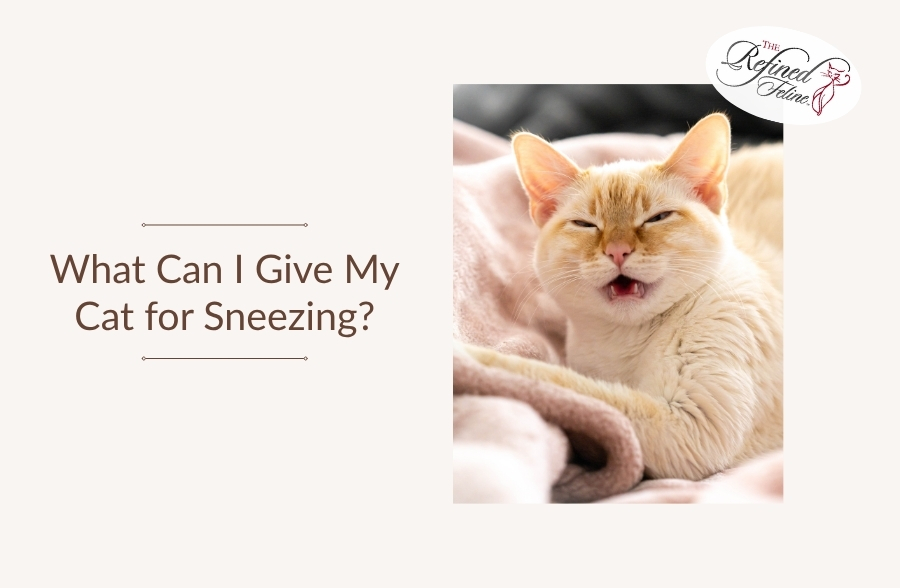
Hearing your cat sneeze once or twice is pretty normal, and honestly, kind of adorable. But when the sneezing becomes frequent or comes with other symptoms like nasal discharge or watery eyes, it is natural to feel worried. You want to help, and you are probably asking yourself: What can I give my cat for sneezing?
The short answer is that comfort and a clean environment are the most important things you can provide right now. The longer answer depends on what is causing the sneezing in the first place. Here is how to figure that out and what steps to take.
Common Causes of Cat Sneezing
Sneezing in cats is not always a sign of illness. Just like us, cats sneeze to clear irritants from their nasal passages. But when sneezing becomes persistent, one of these underlying causes may be responsible.
Upper Respiratory Infections
Viral infections, particularly feline herpesvirus, are the most common reason cats sneeze frequently. Feline calicivirus is another culprit. Both viruses are highly contagious among cats and can cause sneezing, nasal discharge, eye discharge, and lethargy.
Bacterial infections from organisms like Bordetella or Mycoplasma often develop as secondary infections alongside a viral illness. If you notice yellow or green discharge coming from your cat’s nose or eyes, bacteria are likely involved.
Allergies and Environmental Irritants
Cats can react to pollen, dust, mold, cigarette smoke, and strong household cleaning products. Environmental allergens tend to cause clear nasal discharge and sneezing without the fever or lethargy that comes with infections.
If your cat sneezes more during certain seasons or after you clean the house, allergens may be the trigger. Reducing your cat’s exposure to airborne irritants is a good first step toward relief.
Dental Disease
Infected teeth, especially in the upper jaw, can affect the nasal passages. The roots of a cat’s upper teeth sit very close to the sinus cavities. When an infection develops, it can create irritation that triggers sneezing. Your vet can check for dental issues during a routine exam.
Foreign Material
Cats sometimes inhale small objects like blades of grass, dust particles, or fibers. The body’s natural response is to sneeze the material out. If a foreign object becomes lodged in the nasal passage, your vet may need to perform a procedure to remove it.
Fungal Infections and Tumors
Less common causes include fungal infections like Cryptococcus and nasal tumors. Both typically affect older cats and may require imaging or biopsy for diagnosis.
How to Help a Sneezing Cat at Home
While you should always consult your veterinarian for persistent or worsening symptoms, there are a few things you can do at home to keep your cat comfortable.
Keep Your Home Clean
Dust, dander, and airborne particles can aggravate your cat’s sneezing. Vacuum regularly, wash bedding frequently, and avoid using strong chemical cleaners near your cat’s living space.
Your cat’s litter box is another area that needs attention. A dirty litter box harbors bacteria and ammonia that can irritate airways. Keeping the litter area clean and odor-free reduces unnecessary irritation for a cat already dealing with nasal sensitivity.
Use a Humidifier
Dry air can make nasal congestion worse. Running a humidifier in the room where your cat spends the most time adds moisture to the air, helps loosen congestion, and reduces inflammation in the nasal passages.
Ask Your Vet About Saline Nasal Spray
A gentle saline nasal spray can help with dryness and mild congestion. Pediatric saline sprays are sometimes recommended for cats, but always check with your vet before using any nasal product. Dosing and application differ significantly from human use.
Avoid Essential Oils
Many essential oils are toxic to cats. Tea tree, eucalyptus, peppermint, citrus, pine, and lavender are among the most dangerous. Even diffusing these oils in a room where your cat spends time can cause respiratory irritation or poisoning. Pause all essential oil use in your home until your cat recovers.
Make Comfort a Priority
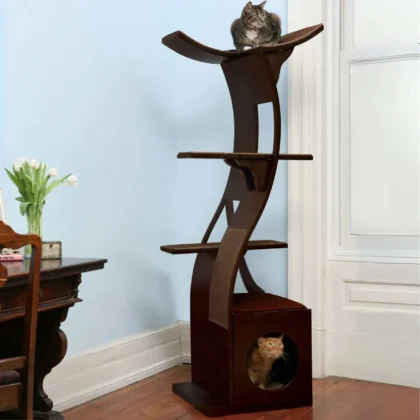
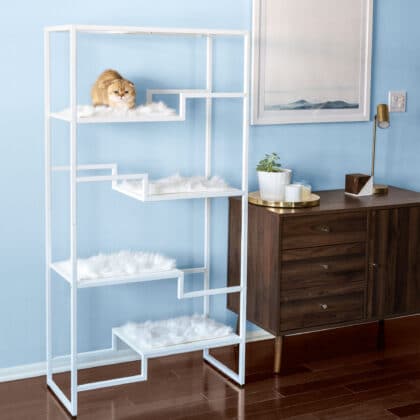
A warm, quiet space goes a long way. Keep your cat indoors while they are recovering, provide fresh water, and make sure they have a cozy area to rest. Providing elevated perches and comfortable retreats helps your cat feel safe during a stressful time.
When to See a Vet About Cat Sneezing
Occasional sneezing without other symptoms is generally not cause for alarm. Schedule a vet appointment if you notice any of the following alongside the sneezing:
- Yellow or green nasal or eye discharge
- Loss of appetite or weight loss
- Lethargy or hiding more than usual
- Sneezing that persists beyond a few days
- Difficulty breathing or open-mouth breathing
- Blood in nasal discharge
Before your visit, try to capture a video of your cat sneezing. Cats rarely sneeze on cue during an exam, and a video helps your vet distinguish between true sneezing and similar-sounding behaviors like coughing, gagging, or reverse sneezing.
How Vets Diagnose the Cause of Cat Sneezing
Your vet will start with a thorough physical exam, checking the ears, nose, throat, and mouth. From there, they may recommend additional diagnostics depending on what they find.
A nasal culture can identify bacterial or fungal infections. Imaging, such as a CT scan, allows the vet to examine the nasal passages and sinus cavities for masses, foreign objects, or structural changes. A rhinoscopy uses a small camera inserted into the nasal passage under sedation to look for abnormalities and collect tissue samples if needed.
For cats experiencing chronic sneezing with no clear cause, inflammation itself may be the culprit. Chronic rhinitis, a condition where ongoing inflammation in the nasal passages triggers sneezing long after the initial infection has cleared, is relatively common and typically managed rather than cured.
Creating a Healthier Environment for Your Cat
Prevention plays a big role in reducing sneezing episodes. A few simple adjustments to your cat’s environment can make a noticeable difference.
Keep your home well-ventilated and minimize dust sources. Groom your cat regularly to remove allergens that collect in their fur, especially if they spend time outdoors. Switch to unscented, low-dust litter to reduce airborne particles near the litter box area.
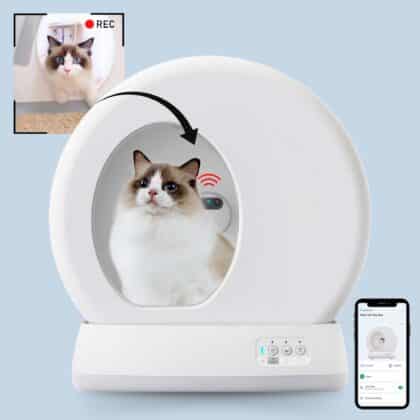
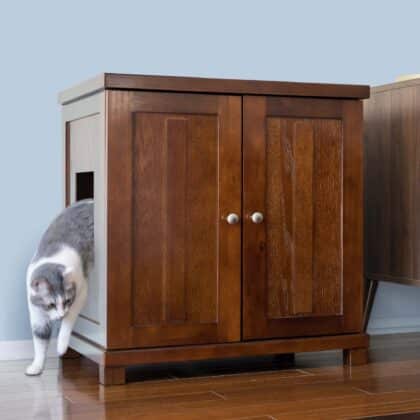
A self-cleaning litter box that cleans after every use also helps, since waste sitting in an open box produces ammonia that can irritate your cat’s respiratory system. Pairing it with a ventilated litter box enclosure keeps both odor and bacteria contained.
Monitoring your cat’s behavior closely, including eating habits and litter box usage, gives you early warning signs if something changes. Paying attention to the small details helps you act quickly and keep your cat healthy.
Join the Club
Your cat counts on you to notice when something feels off, and the fact that you are looking for answers shows how much you care. A clean, low-irritant home environment is one of the best gifts you can give a sneezy cat. Browse our collection of modern cat furniture designed with your cat’s comfort and your home’s style in mind, because a healthier space benefits everyone who lives in it.
Frequently Asked Questions
Q. Can I give my cat Benadryl for sneezing?
Do not give your cat any over-the-counter medication without consulting your veterinarian first. Dosing for cats is very different from that for humans, and some medications can be harmful to felines.
Q. How long does a cat’s cold usually last?
A mild upper respiratory infection typically resolves within 7 to 14 days. If symptoms worsen or persist beyond two weeks, schedule a vet visit for further evaluation and treatment.
Q. Is a cat’s sneezing contagious to humans?
Most feline respiratory viruses, including herpesvirus and calicivirus, are species-specific and do not spread to humans. However, good hygiene practices like handwashing after handling a sick cat are always recommended.
Q. Why is my cat sneezing but acting normal otherwise?
Occasional sneezing in an otherwise healthy cat is usually caused by mild environmental irritants like dust, pollen, or airborne particles. If the sneezing does not increase in frequency and no other symptoms develop, it is likely nothing to worry about.
Q. Can a dirty litter box cause sneezing in cats?
Yes. Ammonia from urine buildup and dust from certain litter types can irritate a cat’s nasal passages. Keeping the litter box clean and using low-dust, unscented litter helps reduce respiratory irritation.
Q. Should I keep my sneezing cat away from other cats?
If the sneezing is caused by a viral or bacterial infection, isolating the sick cat from other household cats is a good idea until symptoms resolve. Wash your hands and change clothes between handling the sick cat and your healthy cats to prevent spreading the infection.