

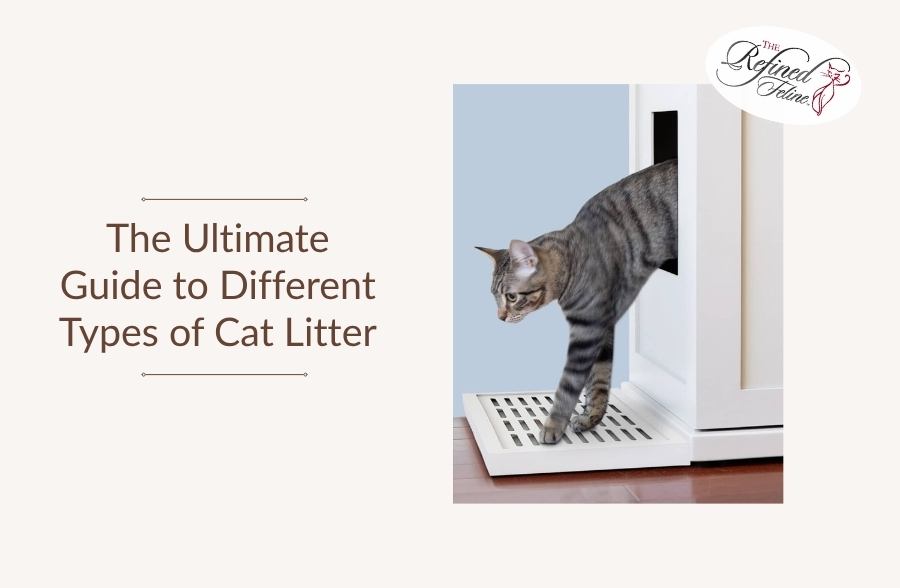
The Ultimate Guide to Different Types of Cat Litter
Choosing cat litter sounds simple until you stand in the aisle staring at dozens of bags, boxes, and buckets with no idea which one is right for your cat. Clay, crystal, pine, tofu, corn, paper. Clumping or non-clumping. Scented or unscented. The options can feel overwhelming.
The right cat litter depends on your cat’s preferences, your cleaning habits, and your priorities around health, odor control, and environmental impact. Here is a clear breakdown of every major type so you can make a confident choice.
Clumping Clay Litter
Clumping clay litter is the most widely used cat litter in the United States. Made from bentonite clay, it forms solid clumps when it contacts moisture, making daily scooping fast and straightforward.
Clumping clay offers strong odor control and is widely available at nearly every pet supply retailer. On the downside, it can be dusty, heavy to carry, and is not biodegradable. The mining process also raises environmental concerns for eco-conscious cat parents.
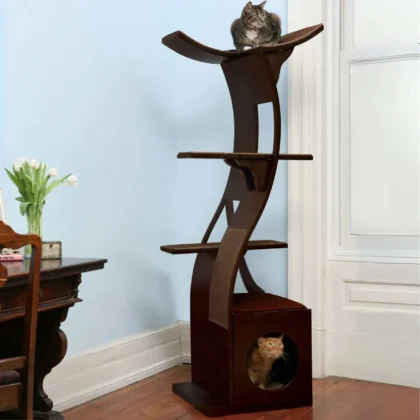
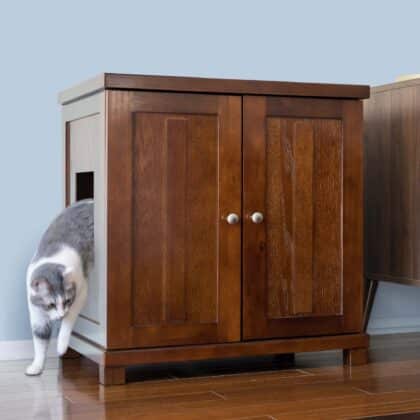
For cats who prefer the feel of fine-grain litter, clumping clay is a familiar and reliable option. Pairing it with a furniture-style litter box enclosure helps contain tracking and dust within a defined space.
Non-Clumping Clay Litter
Non-clumping clay absorbs moisture without forming solid clumps. More affordable than clumping varieties, it requires more frequent full litter changes. Non-clumping clay is a practical choice for budget-conscious cat parents or households with kittens, since it poses less risk if accidentally ingested.
Crystal (Silica Gel) Litter
Crystal litter is made from silica gel beads that absorb liquid and trap odor effectively. Lightweight and very low-dust, crystal litter lasts longer between full changes than clay.
Crystal litter does not clump, so daily stirring is needed to distribute moisture evenly. Some cats dislike the texture of the beads, and the litter is not biodegradable. For cats with respiratory sensitivities, the low-dust quality is a significant advantage.
Pine Pellet Litter
Pine litter is made from compressed sawdust or recycled wood shavings. A natural pine scent provides odor control without added fragrance. When wet, pine pellets break down into sawdust, which settles to the bottom of the box.
Pine litter is non-clumping, eco-friendly, and low-tracking because of its larger pellet size. Cats who prefer fine-grain textures may need an adjustment period, but many adapt well. For more ideas on managing litter box odor naturally, pine is a strong starting point.
Tofu (Soy-Based) Litter
Tofu cat litter is made from soybean fiber and has gained popularity for being natural, biodegradable, lightweight, and flushable. Pellet-shaped granules reduce tracking significantly, and the litter clumps well for easy scooping.
Tofu litter is virtually dust-free and non-toxic if ingested in small amounts, making it a solid choice for kittens and cats with sensitivities. On the downside, it can be more expensive than clay and is vulnerable to mold if stored in humid conditions.
Corn-Based Litter
Corn litter offers decent clumping, natural odor control, and a soft texture that most cats find comfortable. Biodegradable and often flushable, corn litter appeals to eco-conscious cat parents.
One concern with corn litter is the potential for mold growth when exposed to moisture for extended periods. Frequent scooping and weekly full changes minimize this risk.
Paper Pellet Litter
Paper litter is made from recycled paper, formed into pellets or shredded strips. Very low-dust and gentle on paws, paper litter is a popular choice for kittens, post-surgery cats, and cats with respiratory issues.
Paper litter does not clump and has moderate odor control compared to clay or crystal options. Frequent full litter changes keep it fresh and functional.
Cat Litter Comparison Table
| Litter Type | Clumping | Dust Level | Tracking | Odor Control | Eco-Friendly |
| Clumping clay | Yes | Medium-high | Moderate | Strong | No |
| Non-clumping clay | No | Medium-high | Moderate | Moderate | No |
| Crystal (silica) | No | Very low | Moderate | Strong | No |
| Pine pellets | No | Low | Low | Good (natural) | Yes |
| Tofu (soy) | Yes | Very low | Low | Good | Yes |
| Corn | Yes | Low | Moderate | Good | Yes |
| Paper pellets | No | Very low | Low | Moderate | Yes |
How to Choose the Right Cat Litter
Selecting the right litter comes down to balancing your priorities with your cat’s preferences.
If odor control is your top concern, clumping clay and crystal litters perform the strongest. For eco-friendly options, tofu, corn, and pine litter are biodegradable alternatives. Cat parents with kittens should start with non-clumping, natural litters and transition to clumping formulas once the kitten is fully litter trained.
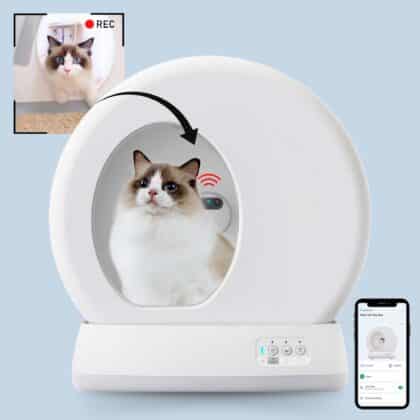
Matching your litter to your litter box setup also matters. Automatic litter boxes typically require clumping clay to function properly, while manual boxes work with any litter type.
For small apartments, low-tracking pellet litters paired with a litter box cabinet keep the mess contained and your space looking clean.
How to Transition Your Cat to a New Litter
Cats can be particular about changes to their litter. A gradual transition over 7 to 10 days prevents litter box avoidance. Start by mixing a small amount of the new litter with the current formula, and slowly increase the ratio of new litter each day.
If your cat hesitates, slow the process down. Keeping the box in its usual quiet, accessible location provides reassurance during the change.
Shop the Collection
The right litter makes daily life with a cat cleaner, healthier, and more enjoyable for everyone. Pairing your chosen litter with a well-designed litter box enclosure elevates both function and style. Browse our full collection to find the setup that works best for your cat, your home, and your daily routine.
Frequently Asked Questions
Q. What is the healthiest type of cat litter?
Natural litters made from tofu, paper, or pine are among the healthiest options because they are free from crystalline silica dust and chemical additives. Low-dust formulas are especially important for cats and humans with respiratory sensitivities.
Q. Is clumping or non-clumping litter better?
Clumping litter makes daily cleaning easier and tends to last longer between full changes. Non-clumping litter is safer for young kittens who may ingest litter and is often more affordable.
Q. Can I flush cat litter down the toilet?
Some natural litters, like tofu and corn, are marketed as flushable. However, flushing cat litter can cause plumbing issues and may violate local regulations. Check your local guidelines before flushing any litter.
Q. How often should I change the cat litter completely?
Clumping litter can be topped off after scooping and fully replaced every 2 to 3 weeks. Non-clumping litter should be completely replaced at least once per week.
Q. What type of litter do cats prefer?
Most cats prefer fine-grain, unscented litter with a sandy texture. However, individual preferences vary. If your cat avoids the litter box after a switch, the texture or scent of the new litter may be the issue.
Q. What litter works best with self-cleaning litter boxes?
Clumping clay litter is required for most self-cleaning litter boxes because the sifting mechanism depends on firm clumps to separate waste from clean litter. Always check the manufacturer’s recommendations for your specific model.