

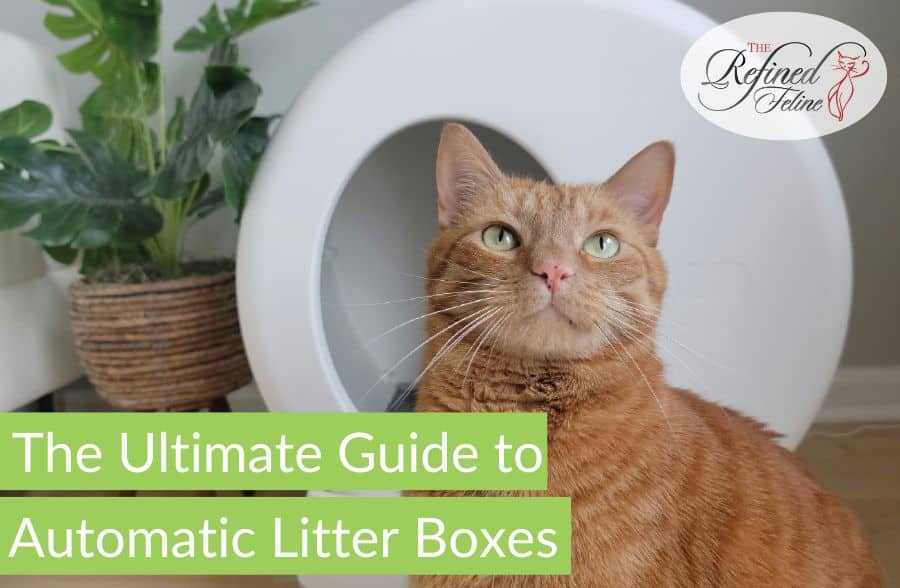
The Ultimate Guide to Automatic Litter Boxes
As cat owners, we’re constantly looking for ways to make our lives, and those of our feline friends, easier and more comfortable. Enter the automatic litter box, a revolutionary product that promises to transform the less glamorous aspect of cat care. This comprehensive guide will delve deep into the world of automatic litter boxes, covering types, how to select the best one for your cat, and a detailed look at the pros and cons of the market’s best sellers.
Understanding Automatic Litter Boxes
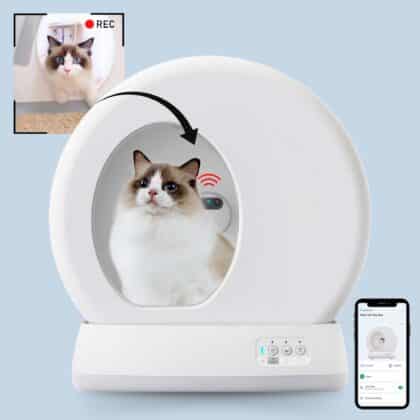
Automatic or self-cleaning litter boxes are designed to reduce the manual labor involved in cat care. They automatically sift and remove waste, keeping the litter box fresh and reducing unpleasant odors. There are several types, each with its unique mechanism:
- Rotating: These litter boxes have a drum that rotates to sift litter, collecting waste in a separate compartment.
- Raking: This type uses a raking system to comb through the litter, pushing clumps into a waste tray.
- Flushing: Similar to a miniature toilet for cats, flushing litter boxes wash away waste and then dry the litter for reuse.
- Sifting: These litter boxes lift and separate clumps from clean litter through a sifting mechanism, usually triggered by the cat’s movement.
Finding the Best Automatic Litter Box for Your Cat
When choosing an automatic litter box, consider the following factors:
- Size and Space: Ensure the litter box is the right size for your cat and fits comfortably in your space.
- Type of Litter: Some boxes require specific types of litter, so consider what’s best for your cat and budget.
- Ease of Cleaning: Look for models that are easy to clean and maintain.
- Noise Level: Some boxes can be noisy, which might be disturbing for both you and your cat.
- Price: Automatic litter boxes can be an investment. Weigh the cost against the benefits and features.
Pros and Cons of Best Sellers
Let’s take a closer look at some of the market leaders:
1. The Refined Feline
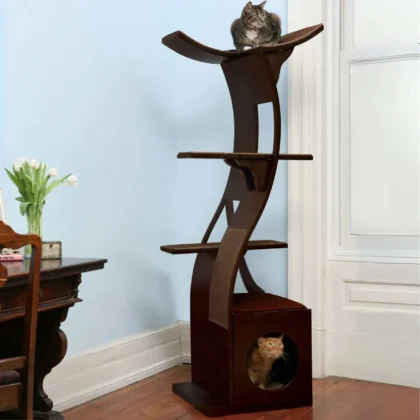
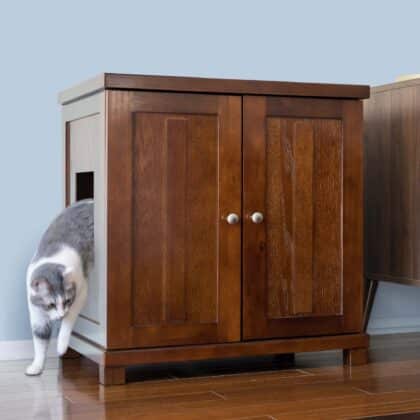
While not specifically an automatic litter box brand, The Refined Feline’s Self-Cleaning Litter Box offers elegant solutions to hide your cat’s litter box, such as cabinets that can house an automatic litter box inside, combining functionality with style.
- Pros: Enhances home decor; hides litter box from view.
- Cons: Does not offer self-cleaning features on its own.
2. Litter Robot
The Litter Robot is a rotating automatic litter box known for its reliability and high-quality sifting system.
- Pros: Efficient at reducing odors; spacious for larger cats; minimal maintenance.
- Cons: High price point; requires a specific type of clumping litter.
3. ScoopFree
ScoopFree utilizes a raking system and disposable trays for easy cleanup.
- Pros: Low maintenance; less odor.
- Cons: Ongoing cost of replacement trays; some cats dislike the crystal litter.
4. CatGenie
The CatGenie is a flushing litter box that connects to water lines for automatic washing, sanitizing, and drying.
- Pros: Eliminates the need for litter replacement; washes itself clean.
- Cons: Requires plumbing setup; high initial cost.
5. Casa Leo
Casa Leo offers a self-cleaning litter box that is known for its quiet operation and modern design.
- Pros: Stylish; operates quietly; suitable for multiple-cat households.
- Cons: Some users report issues with the raking mechanism over time.
6. Meowant
Meowant’s automatic litter box features an advanced rotating system that ensures thorough cleaning.
- Pros: Efficient cleaning; smart sensor for safety.
- Cons: Higher price range; bulky design may not fit all spaces.
Advantages of Automatic Litter Boxes
- Convenience: The primary advantage is convenience. These litter boxes significantly reduce the time and effort spent on cleaning.
- Odor Control: They are generally more effective at managing odors, keeping your home smelling fresh.
- Hygiene: Automatic cleaning helps maintain a consistently clean litter box, which is better for your cat’s health.
Related: 6 Reasons Why Cats Poop Outside of the Litter Box
Maintenance Tips
- Regular Checks: Even with automatic litter boxes, regular checks are necessary to ensure they’re operating correctly and to remove any waste from the collection compartments.
- Cleaning: Follow the manufacturer’s instructions for cleaning to maintain the box’s efficiency and longevity.
Transitioning Your Cat to an Automatic Litter Box
Transitioning to an automatic litter box from a traditional one can sometimes be challenging, especially for cats that are set in their ways or particularly sensitive to changes in their environment. Here are some tips to make the transition smoother:
- Gradual Introduction: Place the automatic litter box near the old one without turning it on, allowing your cat to explore and become familiar with it at their own pace.
- Mix Litters: If the new system requires a different type of litter, gradually mix the new litter with the old type in the traditional box before transitioning entirely.
- Positive Reinforcement: Encourage your cat to explore and use the new box by offering cat treats and praise.
- Patience is Key: Some cats may take longer to adjust than others. Give them time and do not force them to use the new box.
Customization and Training
Most automatic litter boxes offer some level of customization, whether it’s the timing of the cleaning cycle or the sensitivity of the sensors. Tailoring these settings to suit your cat’s preferences can help them feel more comfortable. Additionally, some cats may benefit from a more structured approach to training, especially if they are hesitant to use the new box. Following manufacturer recommendations for acclimation can be particularly helpful.
Health Monitoring Considerations
One advantage of traditional litter boxes that’s often overlooked is their role in monitoring your cat’s health. Changes in urination and defecation patterns can be early indicators of health issues. With automatic litter boxes, this monitoring can be more challenging:
- Manual Checks: Regularly inspect the waste compartment for any noticeable changes in the amount, consistency, or appearance of waste.
- Smart Features: Some newer models of automatic litter boxes come equipped with health monitoring features, tracking usage, and alerting owners to potential health issues through smartphone apps. Considering these models can add an extra layer of health monitoring to the convenience of automatic cleaning.
Environmental Impact and Sustainability
The environmental impact of your choice of litter and litter box is another consideration. While automatic litter boxes reduce the need for frequent litter changes, they do consume electricity. Moreover, models requiring proprietary consumables, like special bags or cartridges, can generate more plastic waste:
- Eco-friendly Options: Look for models that work with biodegradable or recyclable litter options to minimize environmental impact.
- Energy Efficiency: Consider the energy efficiency of the automatic litter box, and look for models that have a low standby power usage.
Making the Right Choice
In selecting an automatic litter box, consider your lifestyle, your cat’s behavior and health, and the practical aspects of different models. It’s also helpful to read reviews and possibly discuss with your veterinarian or fellow cat owners who have made the switch. Remember, the ultimate goal is to find a solution that works best for you and your cat, enhancing their comfort and your convenience.
Final Thoughts
Automatic litter boxes represent a significant advancement in pet care technology, offering a blend of convenience, hygiene, and sophistication. While they come with their own set of challenges and considerations, the benefits can make them a worthwhile investment for many cat owners. Whether you’re drawn to the high-tech cleaning mechanisms of brands like Litter Robot and CatGenie, or the aesthetic integration offered by The Refined Feline, there’s a solution out there to fit almost every need and preference. With the right approach to selection, transition, and ongoing use, an automatic litter box can become an invaluable part of your cat care routine, allowing you more time to enjoy the pleasures of cat ownership.
FAQs
Q. What should I look for in an automatic cat litter box?
Look at size (can your cat turn around comfortably?), litter compatibility, how the cleaning mechanism works (rotating, raking, flushing, or sifting), noise level, ease of emptying the waste drawer, and ongoing costs like special trays or cartridges. Also, check if it fits your space and household (single vs multi-cat).
Q. What advantages do automatic cat litter boxes offer to pet owners?
The main automatic cat litter box benefits are reduced scooping, better odor control, a consistently cleaner box, and time savings. Many models also support multi-cat homes better than a manually scooped box and can make staying on top of hygiene much easier.
Q. How do automatic or self-cleaning cat litter boxes work?
Most self-cleaning cat litter boxes use sensors to detect when your cat has used the box, then trigger a cycle:
- Rotating models spin to separate clumps from clean litter.
- Raking models comb through the litter and push clumps into a waste tray.
- Flushing models wash waste away with water and reuse or refresh litter granules.
All aim to move solid waste into a separate compartment for easy disposal.
Q. What’s the best automatic cat litter box on the market?
There’s no one-size-fits-all “best.” Litter Robot is often favored for its rotating design and reliability, ScoopFree for its low-maintenance tray system, CatGenie for true flushing, and options like Casa Leo or Meowant for quiet, modern designs. The best choice depends on your budget, space, and your cat’s preferences.
Q. How do self-cleaning cat litter boxes affect cat health monitoring?
Because waste is quickly removed and hidden, you see clumps and stool less often. To keep monitoring your cat’s health, you should check the waste drawer regularly for changes in volume, consistency, or appearance. Some newer smart models track usage and can alert you to unusual patterns.
Q. Is an automatic litter box worth the investment?
For many owners, yes, especially in multi-cat households or busy homes. Upfront cost is higher, but the saved time, better odor control, and cleaner environment often make it worthwhile, provided your cat adjusts well and you’re comfortable with basic maintenance.
Q. How do automatic litter boxes work?
Automatic litter boxes use sensors to detect when a cat has used the box and activate a cleaning mechanism after a preset time. Most systems use either a rake that sifts through clumping litter to separate waste or a rotating design that filters waste into a sealed compartment. The cleaned litter returns to the main area while waste is stored in a separate container that needs periodic emptying.
Q. Are automatic litter boxes worth the cost?
Automatic litter boxes are worth the investment for busy cat owners, those with multiple cats, or people who dislike daily scooping. While initial costs range from $100-$500, they save time, reduce odors, and decrease the frequency of complete litter changes. Consider your lifestyle, number of cats, and sensitivity to odors when determining if the convenience justifies the price.
Q. What type of litter works best in automatic litter boxes?
Most automatic litter boxes work best with premium clumping clay litter that forms solid clumps quickly. Some models require specific crystal litter or proprietary litter types. Avoid lightweight, non-clumping, or paper-based litters unless specifically recommended by the manufacturer, as these can jam mechanisms or fail to separate properly during the cleaning cycle.
Q. How often do you need to empty an automatic litter box?
For single-cat households, automatic litter boxes typically need emptying every 7-10 days. Multiple-cat households may need to empty the waste compartment every 3-5 days. Factors affecting frequency include the waste container size, number of cats, their size, diet, and health conditions. Regular maintenance prevents odor buildup and ensures proper functioning.
Q. Can multiple cats share one automatic litter box?
Yes, multiple cats can share one automatic litter box, but consider getting one box per cat plus an extra. Most automatic litter boxes can handle 2-3 cats, but performance varies by model. For multiple cats, look for models with larger waste compartments, more frequent cleaning cycles, and sturdier construction to handle increased usage.
Q. How do I transition my cat to an automatic litter box?
Transition your cat to an automatic litter box gradually over 1-2 weeks. Start by placing the new box next to the old one without turning on the automatic features. Mix some familiar litter into the new box and let your cat explore it naturally. Once your cat uses the new box consistently, activate the automatic features. Some cats may need the motor sound introduced gradually to prevent fear.