

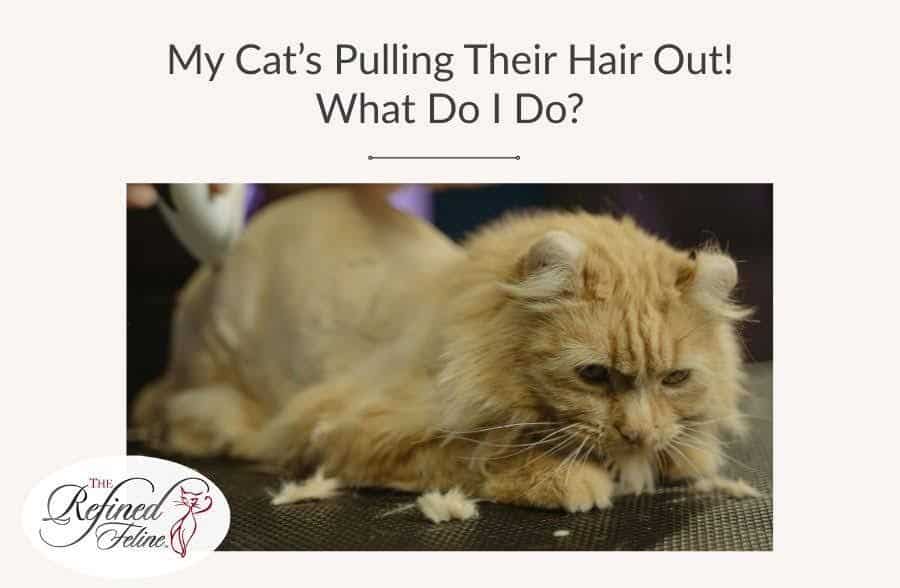
My Cat’s Pulling Their Hair Out! What Do I Do?
Seeing your cat obsessively lick, bite, or tug at her own fur is understandably alarming. The bald patches and tufts of fur are concerning, but the real worry is figuring out what is driving the behavior. When a cat pulls out her own fur, it is a symptom of something else, whether medical, environmental, or emotional. Here is what to look for and how to help.
Why Is My Cat Pulling Her Hair Out?
Cat hair pulling, also called overgrooming, happens when normal grooming crosses into compulsive territory. Identifying the root cause is the first step toward relief.
Fleas, Mites, and Parasites
Even a single flea bite can trigger an intense grooming response in sensitive cats. Mites like Cheyletiella burrow into fur and irritate the skin, causing scratching and pulling that may not be visible on the surface. Regular parasite prevention and a vet-conducted skin scrape are essential for ruling this out.
Allergies
Cats can develop allergies to food proteins, pollen, dust mites, or household cleaning products. Allergic reactions often show up as itchy skin, particularly around the face, belly, and thighs. Your vet can recommend an elimination diet or allergy test to identify the trigger.
Pain or Infection
Cats sometimes groom one area obsessively because it hurts, not because it itches. Overgrooming the stomach could indicate bladder discomfort, while focused licking near a hip might signal arthritis. Fungal infections like ringworm can also cause red, scaly patches that lead to fur loss.
Stress and Anxiety
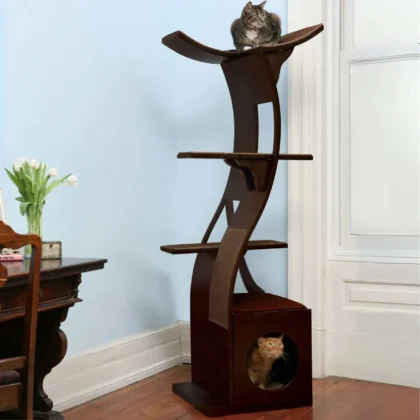
When cats feel anxious, grooming becomes a way to self-soothe. Changes in routine, a new pet, a household move, or rearranged furniture can trigger stress-related overgrooming. Behaviorists call this psychogenic alopecia, meaning hair loss from psychological causes. Giving your cat access to elevated retreats like a sculptural cat tower helps restore a sense of control.
Hormonal Conditions
Endocrine disorders like hyperthyroidism or Cushing’s disease can lead to coat thinning, texture changes, and excessive grooming. A simple blood panel at the vet screens for these imbalances.
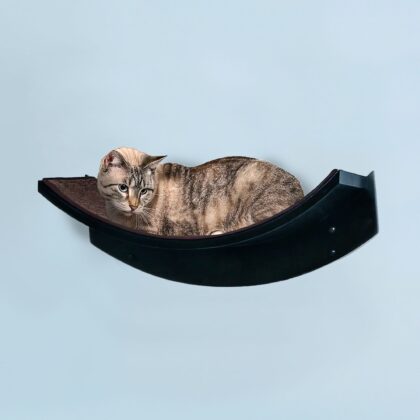
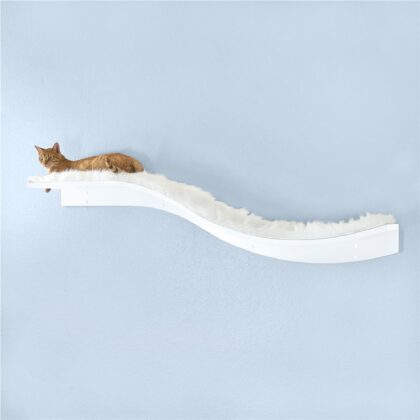
Lotus Leaf Cat Shelf
$74.99 – $79.99
Why Is My Cat Pulling Hair Out On The Back, Belly, or One Spot?
Where your cat is pulling fur matters. The location can help narrow down the cause.
Belly and Inner Thighs
Hair loss on the belly and inner legs is one of the most common patterns in stress-related overgrooming. Cats target these areas because they are easy to reach during repetitive licking. Allergic dermatitis can also concentrate here, especially with food sensitivities.
Along the Back or Near the Tail
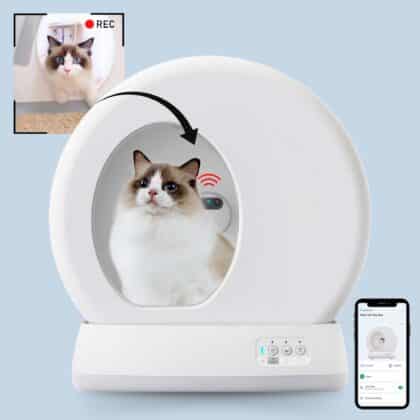
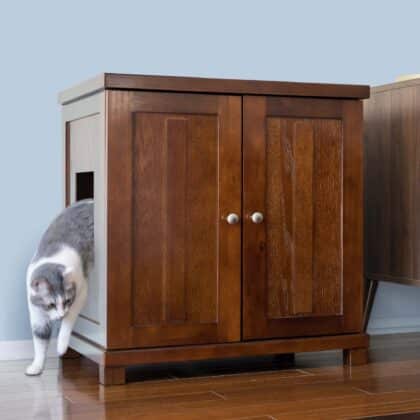
Fur loss along the spine or near the tail base often points to flea allergy dermatitis. Fleas tend to congregate around the lower back, and even indoor cats can pick up a stray flea from an open window or a visitor’s clothing. A clean, enclosed litter area helps reduce pest entry points in the home.
One Isolated Spot
When your cat focuses on grooming a single location, pain is a likely factor. Joint inflammation, a wound hidden under fur, or a urinary issue can cause localized overgrooming. Providing a curved wall perch near common resting areas gives cats with joint sensitivity a low-effort way to stay elevated. A vet exam with imaging or bloodwork can identify the source.
How to Stop a Cat from Pulling Her Hair Out
Once you know the cause, the right combination of medical care, environmental changes, and routine adjustments can break the cycle.
Start With a Vet Visit
Always rule out medical causes first. Your vet may recommend a skin scrape, allergy panel, bloodwork, or a food elimination trial depending on symptoms. Treating the underlying condition often resolves the grooming behavior on its own.
Add Environmental Enrichment
A bored or under-stimulated cat is more likely to overgroom. Vertical climbing spaces, interactive toys, and a consistent play schedule give your cat healthy outlets for energy and anxiety. A cat tree provides elevation and control, while wall-mounted shelves create vertical territory that reduces ground-level stress.
Stabilize Routines
Cats thrive on predictability. Consistent feeding times, a clean litter box, regular grooming sessions, and fixed sleeping areas all reduce the low-level anxiety that fuels compulsive behavior. Daily brushing removes loose fur and helps you notice skin changes early.
Consider Calming Support
Synthetic pheromone diffusers mimic the calming scent cats produce naturally and can ease environmental anxiety. Calming supplements with L-theanine are another option, though these should be used under vet supervision. Our guide on cat behavior and body language can help you read your cat’s stress signals more accurately.
Quick Checklist for Common Causes of Hair Pulling
If your cat is pulling out her hair, she is not just being quirky or dramatic, there is almost always a cause beneath the surface. Whether it is an itch that won’t quit or a stressor that’s hard to spot, cats rarely overgroom without a reason. Identifying the right category of cause helps narrow your next steps and fast-tracks the path to relief.
Use this checklist as your starting point before diving deeper into treatment:
- Parasites: Fleas, mites, or skin bugs are a top cause of constant grooming. Even if you can’t see them, a single flea bite can trigger a full-body reaction. Mites like Cheyletiella (aka “walking dandruff”) often hide deep in the fur, irritating the skin and leading to scratching, licking, or fur pulling. Regular flea control and a vet-conducted skin scrape are key to diagnosing this cause.
- Allergies: Cats can develop allergies to food proteins (like chicken or fish), environmental irritants (like dust mites or pollen), or even household products (like floor cleaners). These allergies often manifest as skin itchiness and hair loss, especially around the face, belly, and thighs. A food trial or environmental allergy test can help pinpoint the allergen and guide treatment.
- Infections: Fungal infections like ringworm or yeast overgrowth can irritate the skin and cause red, scaly patches where hair falls out or is pulled. Bacterial infections may develop secondarily from excessive licking. These conditions often require antifungal or antibiotic medications and should be diagnosed by a vet with a skin culture or Wood’s lamp exam.
- Pain: Cats will sometimes focus their grooming on one specific area, not because it itches, but because it hurts. For example, overgrooming the stomach could indicate bladder discomfort, while licking a hip joint might signal arthritis. If your cat’s fur pulling is isolated to one region, internal pain could be the hidden culprit.
- Stress or Anxiety: Changes in environment (like a new pet or moving home), inconsistent routines, boredom, or even too much noise can create emotional stress. Grooming becomes a self-soothing behavior that can turn compulsive. This is especially common in indoor-only cats without enough stimulation or vertical territory.
- Hormonal Conditions: Endocrine disorders like hyperthyroidism or Cushing’s disease can lead to excessive grooming, hair thinning, or fur texture changes. These conditions often have other subtle signs like weight loss, increased appetite, or lethargy. A simple blood panel at the vet can screen for these imbalances.
The Refined Feline Creates Calming Spaces for Stressed Cats
Creating an emotionally balanced home starts with your cat’s territory. The Refined Feline blends calming design with feline functionality. Whether it’s the curved comfort of the Lotus Leaf Shelf or the sturdy elevation of the Lotus Cat Tower, these pieces:
- Provide stress-free vertical territory
- Offer escape zones for overstimulated cats
- Fit beautifully into your home with minimal clutter
Explore elegant furniture that brings peace to both you and your cat: browse The Refined Feline collection now.
Frequently Asked Questions
Q. Why is my cat losing hair on her belly and legs?
Ans. Belly and leg hair loss is most commonly caused by stress-related overgrooming or allergic dermatitis. A vet visit can determine whether the trigger is emotional, dietary, or environmental.
Q. Why is my cat pulling her hair out all of a sudden?
Ans. Sudden overgrooming usually signals a new stressor or developing medical issue, such as fleas, allergies, or pain. If the behavior appears out of nowhere, schedule a vet visit promptly.
Q. What are the best home remedies for cat overgrooming?
Ans. Adding vertical climbing spaces, maintaining a consistent daily routine, using pheromone diffusers, and brushing your cat daily can all help reduce overgrooming caused by stress or boredom.
Q. Can stress cause a cat to pull out its fur?
Ans. Yes. Stress-related overgrooming, called psychogenic alopecia, is common in cats dealing with environmental changes, boredom, or anxiety. Addressing the stressor and enriching the environment are key to recovery.