

Keeping Your Cat Happy Indoors: The Complete Guide
TL;DR: Key Takeaways
- Indoor cats live 15-20 years compared to 3-4 years for outdoor cats.
- Vertical space and climbing opportunities are more important than floor space.
- Interactive play sessions should mimic hunting behaviors with wand toys.
- Food puzzles transform mealtime into engaging mental stimulation.
- Multiple hiding spots throughout the house provide security and comfort.
- Environmental rotation keeps indoor spaces fresh and interesting.
You’re sipping your morning coffee when you spot your cat staring longingly out the window, tail twitching at every bird that dares to flutter by. That familiar pang of guilt hits. You ask yourself if you are being cruel by keeping them inside? Here’s the truth that might surprise you: indoor cats can live incredibly fulfilling lives, often happier and definitely healthier than their outdoor cousins.
The biggest myth about feline happiness is that cats in house environments are somehow “prisoners.” But here’s what veterinary experts know: with the right setup, your indoor kitty can experience all the joy, stimulation, and natural behaviors they crave, without the dangers lurking outside your door.
Why Are Indoor Cats Happy When Given Proper Enrichment?
The Great Indoor Advantage
Indoor cats aren’t missing out; they’re living longer, safer lives. While outdoor cats face an average lifespan of just 3-4 years due to traffic, predators, and disease, cats indoors typically enjoy 15-20 years of purring contentment. That’s not just the quantity of life. It’s quality too.
The secret lies in understanding what makes cats tick. They don’t need vast territories to roam; they need engaging environments that satisfy their natural instincts. Think of it like this: would you rather live in a dangerous neighborhood with lots of space, or a cozy, secure home packed with everything you love?
Meeting Their Natural Needs Safely
Cats have five core needs that indoor environments can absolutely fulfill:
- Hunting and stalking (hello, feather wands!)
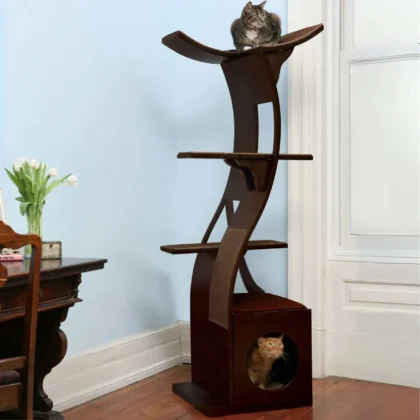
- Climbing and surveying territory (cat trees are your friend)
- Scratching and marking (scratching posts galore)
- Hiding and feeling secure (cozy nooks everywhere)
- Social interaction or solitude (depending on their personality)
When you create an indoor space that addresses these needs, something magical happens. Your cat stops yearning for the outdoors because their indoor world becomes their perfect kingdom.
The Stimulation Factor
Here’s where many cat parents get it wrong: they think cats need outdoor stimulation, when what they really need is consistent, varied stimulation. A rotating selection of puzzle toys, interactive play sessions, and environmental enrichment creates the mental challenges that keep cats indoors both physically and emotionally satisfied.
What Makes Cats in House Environments Thrive?
Creating Vertical Territories
Cats think in three dimensions, not two. While you might see your living room as a flat space, your cat sees it as a multi-level playground waiting to be conquered. This is why vertical space is absolutely crucial for cats indoors.
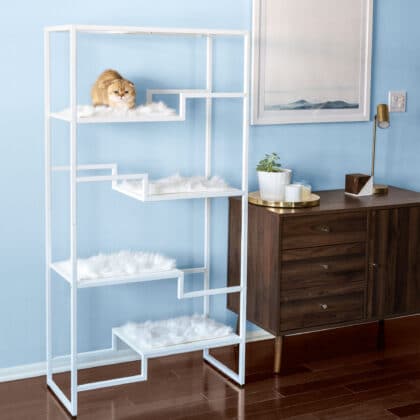
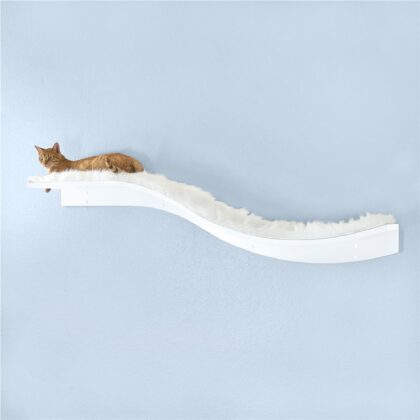
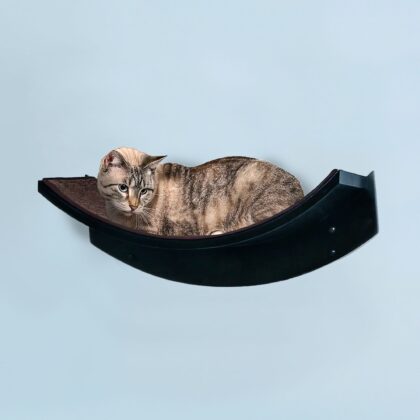
Install cat shelves, invest in floor-to-ceiling cat trees, or even create “catwalks” along your walls. When cats can climb, perch, and survey their domain from above, they feel like the kings and queens they truly are. Plus, vertical territory means multiple cats can share space without feeling crowded, and everyone gets their own level of the castle.
The Window to Happiness
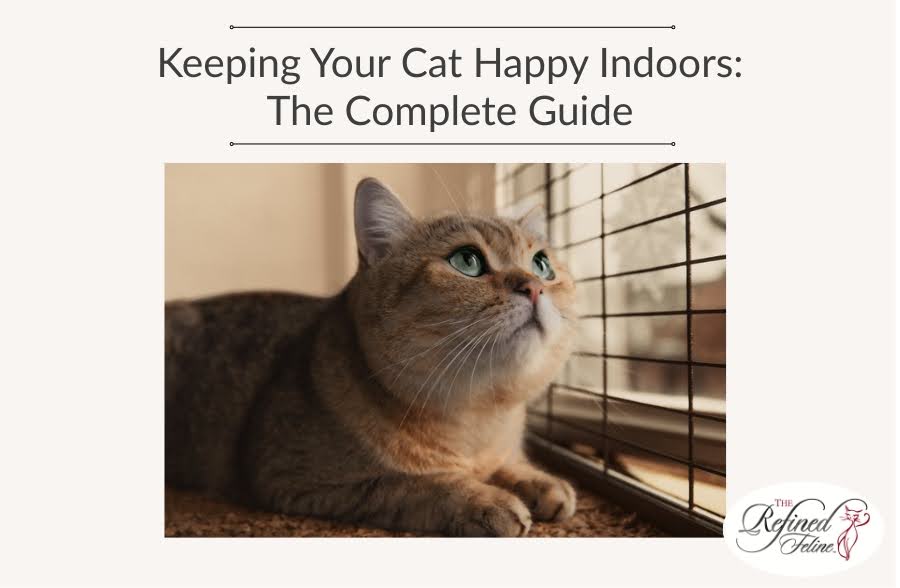
Never underestimate the power of a good window view. Position comfortable perches near windows where your cat can watch the outdoor “Cat TV”: birds, squirrels, and passing neighbors provide endless entertainment. Consider adding a bird feeder outside the window to create a live nature show that’ll keep your kitty captivated for hours.
Some cat parents even install special window enclosures or “catios,” i.e., screened porches that let cats experience fresh air and outdoor sights while staying completely safe. It’s like having the best of both worlds.
Interactive Play That Mimics Hunting
Your cat’s ancestors were mighty hunters, and that instinct hasn’t disappeared just because dinner now comes from a can. Regular interactive play sessions are essential for keeping cats indoors mentally and physically satisfied.
Use wand toys to simulate prey movement, make that feather or mouse dart behind furniture, scuttle along walls, and occasionally “hide” from your cat. The goal isn’t just exercise; it’s giving your cat the satisfaction of a successful hunt. Always end play sessions by letting your cat “catch” the prey, followed by a meal. This hunt-catch-eat-sleep cycle mirrors their natural rhythm perfectly.
How Do You Keep Your Indoor Cats Happy Throughout the Day?
The Art of Environmental Rotation
Boredom is the enemy of indoor cat happiness, but here’s a simple trick that works like magic: rotation. You don’t need a house full of toys; you need a smart system. Keep some toys available all the time, but store others away and rotate them weekly.
Suddenly, that mouse toy from last month becomes brand new and exciting again. It’s like redecorating your cat’s world without spending a fortune. The same principle works with scratching surfaces, perches, and even furniture arrangements.
Food Puzzles and Mental Stimulation
Transform mealtime from a 30-second gobbling session into an engaging hunting experience. Food puzzle toys, treat balls, and even hiding small portions of food around the house can turn your cat’s natural foraging instincts into indoor entertainment.
For especially active cats, consider feeding all meals this way. It slows down eating (great for digestion), provides mental stimulation, and gives your cat a “job” to do throughout the day. Some cats become so engaged with puzzle feeding that they prefer it to traditional bowls.
Creating Cozy Hideaways
Every confident cat needs a safe retreat, somewhere they can disappear when the world feels overwhelming. This is especially important in multi-pet households or homes with frequent visitors.
Provide various hiding spots throughout your home:
- Cardboard boxes (the classic favorite)
- Cat caves or enclosed beds
- Space under beds or furniture
- Closets with doors left slightly open
- Cat tunnels or paper bags (handles removed for safety)
The key is having options in different areas of your house, so your cat never feels trapped without an escape route.
The Power of Routine with Variety
Cats love predictable routines, but they also crave novelty. The sweet spot is maintaining consistent daily patterns (feeding times, play sessions, bedtime rituals) while introducing small changes and surprises within that structure.
Maybe Monday’s play session happens in the living room, but Tuesday’s moves to the bedroom. Perhaps you introduce a new scratching surface or rearrange furniture slightly each month. These small variations keep life interesting without causing stress.
When Do Indoor Cat Setups Need Adjustment?
Reading Your Cat’s Happiness Signals
Happy cats indoors display specific behaviors that tell you your setup is working. Look for: regular play and exploration, healthy appetite, normal grooming habits, confident body language, and appropriate use of scratching posts and litter boxes.
Warning signs that your indoor environment needs tweaking include: excessive vocalization, destructive scratching, aggressive behavior toward other pets, overeating or loss of appetite, excessive hiding, or attempts to escape outdoors.
Troubleshooting Common Challenges
The Escape Artist: If your cat constantly tries to bolt outside, it usually means they’re under-stimulated indoors. Increase interactive play, add new climbing opportunities, or consider leash training for supervised outdoor adventures.
The Night Howler: Cats who yowl at night often have pent-up energy. Schedule an intensive play session before bedtime, followed by a meal. This mimics their natural hunt-eat-sleep cycle and promotes restful nights.
The Furniture Destroyer: Inappropriate scratching usually indicates insufficient or unsuitable scratching options. Experiment with different materials (sisal, cardboard, carpet), orientations (vertical vs. horizontal), and locations throughout your home.
Adapting for Life Changes
Your cat’s needs will evolve over time. Kittens require different stimulation than senior cats. A newly adopted cat might need a gradual introduction to your home’s enrichment features. Multi-cat households need more resources than single-cat homes.
Stay observant and flexible. The perfect indoor setup is one that grows and changes with your cat’s life stages and preferences.
When to Seek Professional Help
Sometimes, despite your best efforts, cats struggle with indoor life. If you’ve tried multiple enrichment strategies and your cat still shows signs of stress or unhappiness, consult your veterinarian or a certified cat behaviorist.
They can help identify underlying health issues, recommend specific environmental modifications, or suggest other solutions like temporary anxiety medications during major transitions.
Final Thoughts
Your indoor cat isn’t missing out on the “real” world. They’re living in a carefully crafted paradise designed just for them. Every scratching post you place, every play session you initiate, and every cozy nook you create is an investment in their happiness and health.
The next time you see your cat lounging contentedly in their favorite sunny spot, remember: you haven’t confined them to a smaller world. You’ve given them a safer, richer one where they can be completely, authentically themselves for many years to come.
Frequently Asked Questions
Q. Do indoor cats get depressed without access to the outdoors?
Indoor cats don’t experience depression from being inside if their environment meets their natural needs. They need mental stimulation, physical exercise, safe spaces, and social interaction. All achievable indoors. Depression in cats usually stems from boredom, illness, or major life changes, not confinement. With proper enrichment, most cats are perfectly content never setting paw outside.
Q. How much playtime do indoor cats need daily?
Indoor cats need at least 15-20 minutes of interactive play daily, ideally split into 2-3 sessions. Active breeds or young cats may need 30-60 minutes total. The key is quality over quantity. Intense hunting-style play sessions tire cats more effectively than casual toy batting. Always end sessions by letting your cat “catch” the prey, followed by a meal to complete the natural cycle.
Q. What’s the biggest mistake people make with indoor cat environments?
The biggest mistake is creating a flat, boring environment with no vertical space or mental challenges. Many people provide food, water, and a litter box but forget cats need climbing opportunities, hiding spots, scratching surfaces, and interactive play. Simply having toys isn’t enough. Cats need engaging activities that simulate hunting, exploring, and problem-solving behaviors.
Q. Can you transition an outdoor cat to an indoor-only life successfully?
Yes, but it requires patience and gradual adjustment, especially for cats accustomed to outdoor freedom. Start with a sanctuary room, then slowly expand their indoor territory while heavily enriching the environment. Expect behavioral changes like vocalization or restlessness initially. Most outdoor cats adapt within 2-6 months when provided with adequate stimulation, though some may need longer transition periods.
Q. How many litter boxes, scratching posts, and toys should indoor cats have?
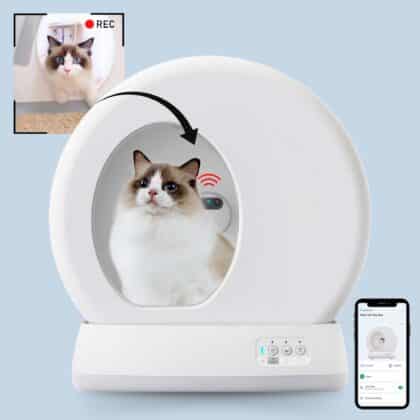
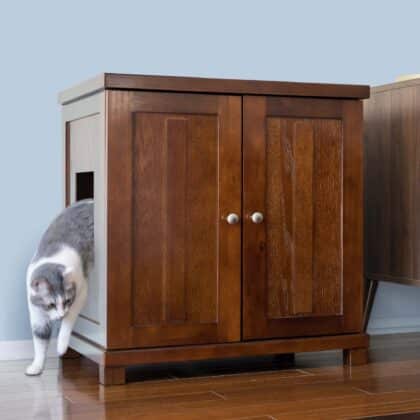
Follow the “plus one” rule: one litter box per cat plus one extra, and at least one scratching surface per cat in different areas. For toys, quality beats quantity. 5-8 varied toys rotated weekly work better than 20 toys available constantly. Each cat should have access to high perches, hiding spots, food puzzles, and interactive toys within easy reach throughout your home.
Q. What are the signs that my indoor setup isn’t working for my cat?
Watch for excessive vocalization (especially at night), destructive scratching on furniture, aggressive behavior toward other pets, overeating or appetite loss, constant hiding, and repeated escape attempts. Happy indoor cats show confident body language, regular play behavior, healthy grooming habits, and appropriate use of provided resources. If problems persist despite environmental improvements, consult your veterinarian to rule out health issues.