

How to Stop Cats from Scratching the Furniture
Your couch didn’t deserve this. Those telltale claw marks on your favorite armchair, the frayed corner of your sofa, the shredded ottoman that once looked pristine. If you’re a cat owner, you’ve probably experienced the frustration of watching your furniture take a beating, one scratch at a time.
The good news? Scratching furniture isn’t a sign of bad behavior or spite. Cats scratch because they’re hardwired to do it. Understanding why cats scratch, and how to redirect that instinct to appropriate surfaces, can save your furniture and keep your cat happy.
Why Cats Scratch Furniture
Before addressing the scratching, understanding the root cause helps. Cats scratch for several biological and emotional reasons:
- Nail maintenance: Scratching removes the dead outer layer of claws, keeping them sharp and healthy.
- Scent marking: Cats have scent glands in their paws, and scratching deposits their unique scent on objects to mark territory.
- Stretching: Scratching provides a full-body stretch for muscles and tendons, especially after napping.
- Emotional expression: Cats scratch when excited, stressed, or seeking attention.
According to research, scratching is a completely normal feline behavior. The goal isn’t to stop scratching entirely but to redirect it to appropriate surfaces.
Provide Better Scratching Alternatives
The single most effective solution is giving your cat something better to scratch than your furniture. Not all scratching posts are created equal.
Choose the Right Material
A study found that most cats prefer sisal rope or natural wood over carpet-covered posts. Cardboard and rough fabric also rank high on feline preference lists.
When selecting modern cat furniture, look for surfaces that mimic what your cat currently scratches. If your cat loves your woven couch, sisal rope will likely appeal. If your cat prefers your wooden doorframe, consider a wooden scratch post.
Size and Stability Matter
Cats need to stretch fully when scratching. The ASPCA recommends scratching posts at least 32 inches tall, allowing most cats to extend their bodies completely.
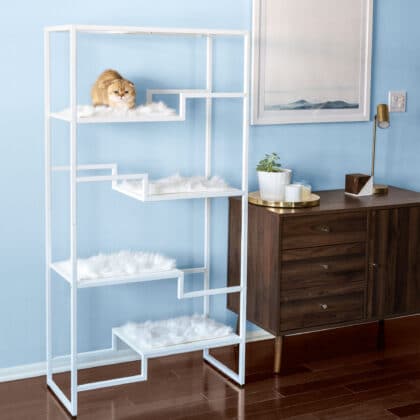
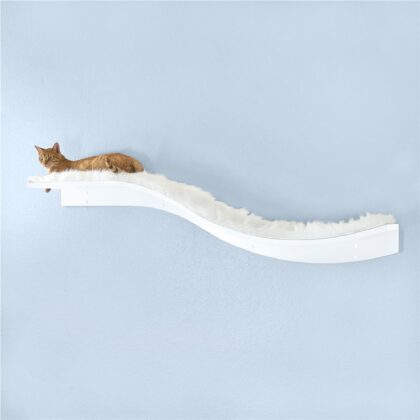
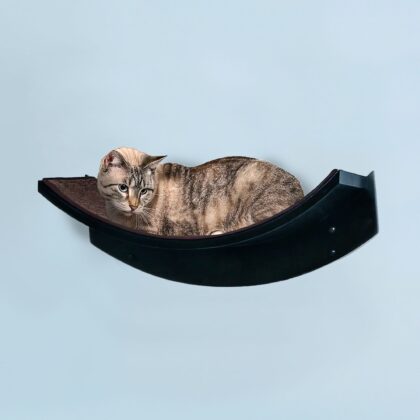
Stability is equally important. Wobbly posts discourage use because cats need resistance to get a satisfying stretch and nail shed. Look for wall-mounted cat shelves or heavy-based towers that won’t tip during vigorous scratching sessions.
Strategic Placement
Place scratching posts exactly where your cat wants to scratch. Put one near the furniture your cat currently targets, and another near your cat’s favorite nap spot. Many cats scratch immediately after waking up, so a post near the bed encourages appropriate scratching from the start.
Don’t hide scratching posts in corners or back rooms. Cats scratch in social areas where they spend time, and placement in high-traffic zones also serves the territorial marking instinct.
Make Furniture Less Appealing
While providing better alternatives, you can simultaneously discourage your cat from scratching your furniture with gentle deterrents.
Physical Barriers
Cover targeted furniture with materials cats dislike scratching:
- Aluminum foil or plastic sheeting (temporary, not aesthetically pleasing)
- Tight-fitting furniture covers or throws
- Clear scratch guards designed for furniture corners and arms
- Double-sided tape on scratching zones (cats dislike sticky paws)
Scent Deterrents
Some cats avoid citrus, eucalyptus, or vinegar scents. Spray diluted versions on furniture (test for fabric safety first). Commercial cat deterrent sprays are also available, though effectiveness varies by individual cat.
Remove Scent Markers
Clean previously scratched areas thoroughly with an enzymatic cleaner to eliminate scent markers. Cats return to spots where they smell their own scent fading, creating a scratch-reinforcement cycle.
Maintain Your Cat’s Claws
Regular nail trimming reduces furniture damage significantly. Trim every two to three weeks, removing just the sharp tip. If your cat resists, a veterinarian or groomer can help.
Soft plastic claw caps offer temporary protection. Applied with adhesive, claw caps last four to six weeks and prevent furniture damage without affecting normal scratching behavior or nail health.
Create an Enriching Environment
Bored or stressed cats often scratch furniture excessively. Provide:
- Multiple cat towers and condos for climbing and perching.
- Interactive play sessions twice daily.
- Window perches for environmental stimulation.
- Vertical territory with cat shelves.
A well-exercised, mentally stimulated cat is less likely to scratch destructively out of boredom or anxiety.
What Doesn’t Work
Avoid punishment. Cats don’t connect your anger with their earlier scratching, and punishment creates fear without addressing the underlying need to scratch. Negative reinforcement typically backfires, teaching cats to scratch only when you’re not watching.
Never declaw cats. Declawing amputates the claw and end bone of each toe, often causing chronic pain, behavioral changes, and litter box avoidance. Many veterinary organizations now oppose the practice.
Patience and Consistency
Redirecting scratching behavior takes time. Encourage exploration of new scratching posts with catnip, dangling toys, or treats. When you catch your cat using appropriate scratching surfaces, offer praise or rewards to reinforce the behavior.
If your cat returns to furniture, calmly redirect your cat to the scratching post without punishment. Consistency matters more than any single strategy.
Browse the full collection of modern cat furniture to find stylish solutions that work for your home.
FAQs
How long does it take to stop a cat from scratching furniture?
Most cats adapt to new scratching posts within two to four weeks with consistent redirection and proper post placement. Patience and positive reinforcement speed the transition.
Do scratching posts really work?
Yes, when chosen correctly. Posts must match your cat’s material preferences, be tall and stable enough for full stretching, and be placed strategically near furniture or napping areas.
Should I trim my cat’s nails?
Regular nail trimming every two to three weeks significantly reduces furniture damage. Trimming just the sharp tips maintains nail health while protecting the surfaces.
Can I train an older cat to stop scratching furniture?
Absolutely. Older cats can learn new scratching habits with the same techniques: providing appealing alternatives, using gentle deterrents, and consistent positive reinforcement.
Are there cat-friendly furniture options?
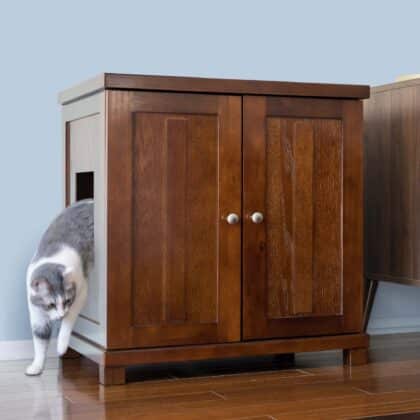
Yes. Look for modern cat furniture from The Refined Feline designed to blend with your home décor while providing appropriate scratching surfaces, climbing opportunities, and hideaways that satisfy natural feline instincts.