

How to Handle Your Cat’s Fear-Based Aggression
Key Takeaways
- Fear aggression comes from fear, not defiance.
- Punishment worsens cat behavior issues.
- Learn to read body language before touching.
- Build a calm, predictable environment.
- Gradual desensitization reduces anxiety in cats.
- Love, time, and patience always win over fear.
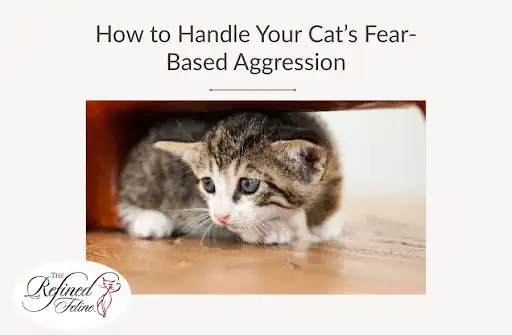
If you adore your cat but can’t understand why they suddenly hiss, swat, or bolt when startled, you might feel hurt, scared, or guilty. This isn’t bad behavior though, it’s fear in disguise. Your cat isn’t trying to attack you; they’re trying to protect themselves.
What Is Fear Aggression in Cats?
Defining Fear Aggression
Fear aggression happens when a cat reacts violently out of fear, not anger. Their instinct tells them to defend against a threat, even if the “threat” is a vacuum cleaner, a loud noise, or your outstretched hand.
The Root of Fear-Based Behavior
At its core, fear aggression comes from feeling trapped or cornered. Cats are both predators and prey, so when escape isn’t an option, they fight. The puffed tail, pinned ears, and low growl are all ways of saying, “Back off, I’m scared.”
Common Situations That Trigger It
Sometimes it’s a loud thunderclap; other times, it’s a stranger entering the house. Even a vet visit or a new pet can ignite anxiety in cats. The more sudden or unpredictable the event, the stronger the reaction.
Why Fear Aggression Matters for Cat Behavior Issues
Understanding the Emotional Core
Every hiss has a heartbeat behind it. Anxiety in cats fuels defensive behaviors that look like hostility. Without empathy and understanding, punishment only deepens fear and worsens the behavior.
How It Affects Daily Life
Fearful cats may hide for hours, avoid cuddles, or lash out unexpectedly. That unpredictability strains both your bond and your safety. Recognizing cat behavior issues early helps prevent serious injuries or long-term distrust.
When Fear Becomes Chronic
Some cats get “stuck” in survival mode. Chronic stress changes their brain chemistry, making them more reactive. Over time, fear aggression can spiral into generalized anxiety or even depression if not addressed.
How Fear-Based Aggression Works in Cats
The Fight-or-Flight Mechanism
When startled, your cat’s brain floods with stress hormones like adrenaline and cortisol. If escape feels impossible, they switch to “fight” mode: claws out, back arched, tail puffed. Understanding this helps you respond calmly instead of reacting emotionally.
The Role of Territory
Cats feel safest when they control their environment. Sudden changes, new animals, or rearranged furniture can unsettle them. Territory loss equals emotional instability, and cat behavior issues often follow.
The Importance of Body Language
Reading cues prevents escalation. Look for dilated pupils, a tucked tail, crouching, or low growls, these are warning signs, not defiance. When you respect these signals, you rebuild trust instead of triggering anxiety in cats again.
Key Signs of Fear Aggression
- Ears pinned flat or tail puffed up
- Growling, hissing, or sudden swatting
- Hiding or freezing before attacking
- Refusing food or human contact
- Excessive grooming after stress
Where Fear Management Can Fail
Pushing Too Soon
One of the biggest mistakes is forcing contact too early. Your cat may see even gentle petting as an attack. Let them approach you first; proximity must be earned, not demanded.
Ignoring the Root Cause
You can’t fix fear aggression with scolding. It’s not disobedience; it’s panic. Without identifying what causes the fear: loud sounds, strangers, or past trauma, the aggression will return.
Skipping Routine or Safety
Cats crave predictability. Frequent disruptions, like moving houses or loud guests, reignite anxiety in cats. Establish a stable environment with quiet zones, consistent feeding times, and familiar scents.
Common Mistakes Owners Make
- Using punishment instead of redirection
- Removing hiding spots (cats need safe zones)
- Ignoring early warning signs
- Trying to “discipline” fear out of them
- Forgetting that every cat’s tolerance differs
What You Can Do to Help a Fearful Cat
Build a Calm Environment
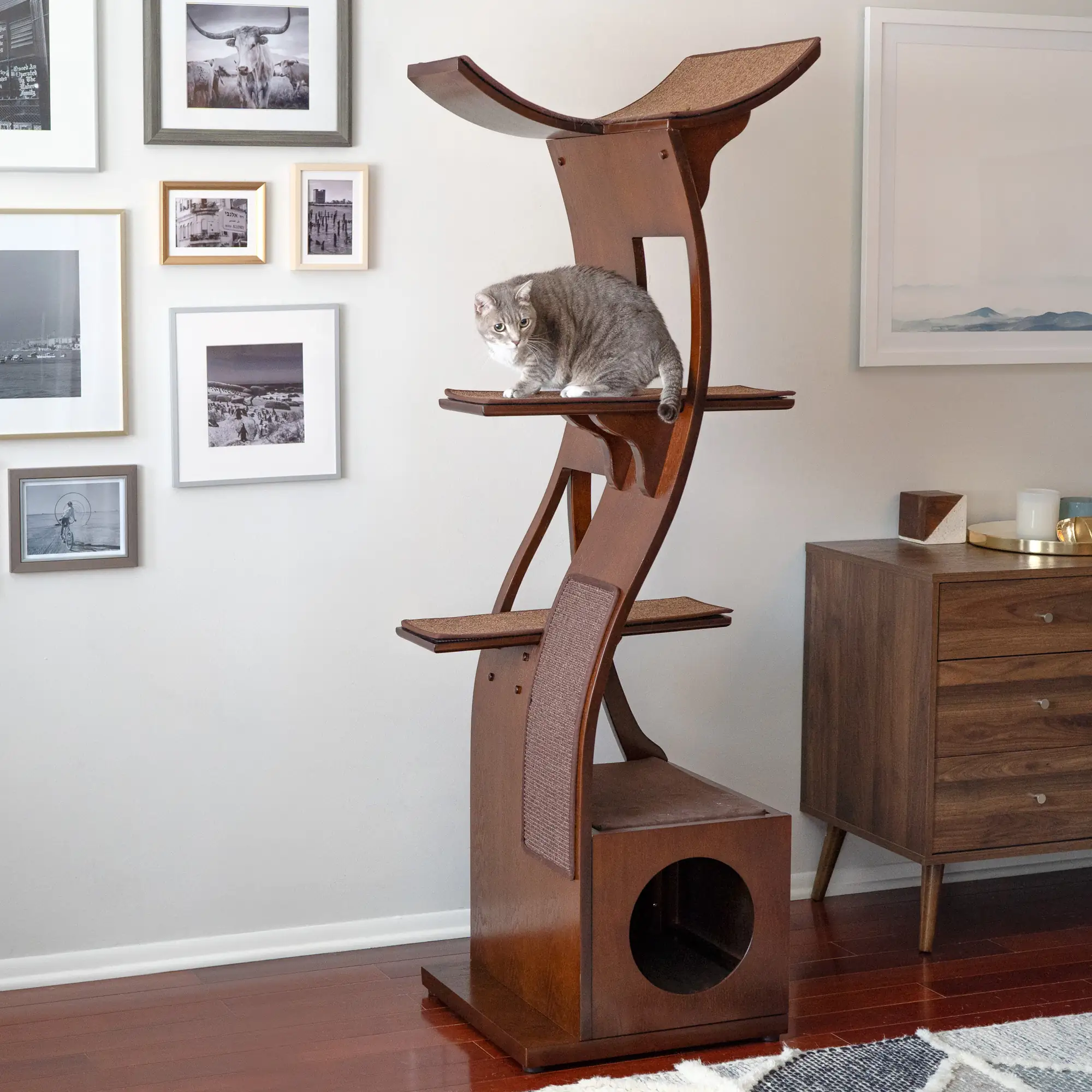
Start by creating a saf zone, a cozy corner with places to hide, a tall cat tower to climb, and toys. Avoid direct eye contact or sudden movements. Your cat’s comfort starts with feeling invisible and safe.
Practice Gentle Exposure
Desensitization works wonders. If your cat fears a vacuum, start by keeping it unplugged nearby. Let them sniff it. Gradually increase exposure over days or weeks. The goal is slow trust, not instant bravery.
Reinforce Positive Moments
When your cat faces a fear without reacting, reward it! Treats, soft praise, or gentle petting help them link safety with calmness. Over time, these associations weaken fear aggression triggers.
Seek Professional Help When Needed
If your cat’s aggression feels uncontrollable, consult a feline behaviorist or vet. They can identify underlying medical or environmental causes. In some cases, mild anti-anxiety medication may be suggested to reduce anxiety in cats while training continues.
Final Thoughts
Fear aggression isn’t your cat being “bad.” It’s a nervous system stuck on high alert. Your job isn’t to dominate but to decode, to read their cues, build patience, and make safety predictable.
Next time your cat hisses or swats, pause. Ask, “What scared them?” instead of “What’s wrong with them?” Compassion turns confusion into understanding, and that’s the first step to trust.
Frequently Asked Questions
Q. What is fear-based aggression in cats?
It’s a defensive reaction that happens when a cat feels cornered, startled, or threatened. The cat lashes out not to harm but to protect itself. Unlike play aggression, which is playful and brief, fear aggression involves flattened ears, growling, or swiping. Understanding this difference helps you respond with empathy instead of punishment.
Q. What causes fear aggression in cats?
Triggers vary: loud noises, unfamiliar people, sudden movements, or even past trauma can cause anxiety in cats. Sometimes the fear comes from a lack of socialization as a kitten. Identifying what sets them off and reducing exposure to it is the first step toward healing.
Q. How can I tell if my cat’s aggression is fear-based?
Look for signs like crouching, dilated pupils, or trying to escape before attacking. Cats showing fear aggression usually act defensively, not predatorily. They might hiss or hide instead of pouncing. Recognizing these cues helps you defuse tension before it escalates.
Q. How do I calm a fearful cat?
Start with distance and calmness. Speak softly, avoid direct eye contact, and give them space to retreat. Reduce noise as much as possible and offer multiple cat beds to hide in. Reward calm behavior with treats, and never punish fear. Over time, consistent positive experiences reduce cat behavior issues tied to fear.
Q. Can medication help with anxiety in cats?
In some cases, yes. If anxiety in cats is severe, vets may prescribe anti-anxiety medication to lower stress levels. However, medication works best alongside behavior therapy, not as a standalone fix. Always follow professional guidance before trying medication.
Q. How long does it take to fix fear aggression?
Every cat heals at its own pace. Some improve in weeks; others take months. Success depends on patience, consistency, and your cat’s comfort level. Focus on small wins, like relaxed posture or a gentle approach, and celebrate progress. Fear fades slowly but surely when love stays constant.