

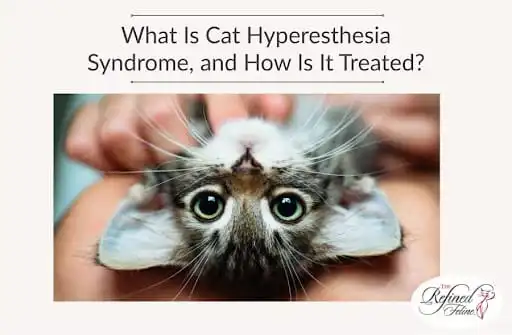
What Is Cat Hyperesthesia Syndrome, and How Is It Treated?
Key Takeaways
- Cat hyperesthesia causes skin twitching and unusual behavior.
- It’s a rare cat health condition linked to nerves and stress.
- Symptoms can resemble mild cat seizures.
- Diagnosis involves ruling out pain, fleas, or allergies.
- Medication and calm routines help reduce episodes.
- Most cats live comfortably with care and monitoring.
You’ve noticed your cat twitching, biting their tail, or suddenly dashing across the room like they’ve seen a ghost. It looks like play, but something feels off. Could it be stress, allergies, or something deeper? Welcome to the curious world of cat hyperesthesia, one of the most puzzling syndromes in feline medicine.
What Is Cat Hyperesthesia Syndrome?
Defining the Condition
Cat hyperesthesia (also called “twitch-skin syndrome”) is a neurological and behavioral condition where a cat’s skin becomes overly sensitive, especially along the spine. They may twitch, bite, or yowl suddenly, often as if reacting to invisible stimuli.
How It Looks in Real Life
During an episode, your cat might ripple their back fur, chase their tail, or suddenly dart away in panic. Some cats even meow loudly or appear to have mild cat seizures, though not all cases involve seizure activity.
Why It’s Considered Rare
Cat hyperesthesia falls under rare cat health disorders because it’s difficult to diagnose. There’s no single test; vets rely on observation, ruling out other issues like skin allergies, pain, or epilepsy.
Why Cat Hyperesthesia Matters
Impact on Behavior
Episodes can be distressing for both cats and owners. What looks like random twitching or aggression is actually discomfort or overstimulation. Understanding that helps prevent mislabeling your cat as moody.
Connection to the Nervous System
This syndrome may involve abnormal nerve activity along the spine. Some researchers compare it to neuropathic pain or small, involuntary cat seizures that cause muscle contractions and sensory overload.
Stress and Environment
Stress often worsens cat hyperesthesia symptoms. Overstimulation from noise, change, or tension at home can trigger flare-ups. Creating a calm environment is crucial for long-term management.
Common Symptoms of Cat Hyperesthesia
Sudden Skin Twitching or Rippling Along the Back
One of the most distinctive signs of cat hyperesthesia is sudden rippling or twitching of the skin along the spine. It often looks like a wave moving under the fur. This happens because the nerves in that area become overly sensitive, causing involuntary muscle contractions that your cat can’t control.
Excessive Grooming, Especially Near the Tail
Cats with cat hyperesthesia may lick, chew, or bite excessively at the base of their tail or lower back. This isn’t typical grooming. It’s a reaction to tingling or burning sensations caused by nerve overstimulation. Over time, it can lead to bald patches or irritated skin, so it’s important to keep an eye on frequency and intensity.
Random Biting or Chasing Their Own Tail
Some cats suddenly whip around and attack their tail as if it’s a threat. This can happen during hyperesthesia episodes when the brain misinterprets nerve signals as pain or movement. What looks like playful tail-chasing might actually be discomfort, a sign of a rare cat health condition that needs attention.
Dilated Pupils and Loud Vocalizations
During flare-ups, you might notice your cat’s pupils widen dramatically and their meows become loud or distressed. These reactions show heightened arousal and confusion in the nervous system, sometimes resembling minor cat seizures. It’s their body’s way of responding to overstimulation they can’t process.
Sprinting or Jumping as If Startled
Cats experiencing hyperesthesia often bolt suddenly, leaping or running across the room as if something invisible startled them. These bursts of movement are involuntary, part of the body’s instinctive response to misfiring nerves or a perceived threat. The behavior usually subsides within seconds, though it can be startling to watch.
Periods of Confusion or Restlessness
After an episode, some cats seem dazed, pacing or staring into space. This post-episode confusion happens because cat hyperesthesia temporarily disrupts their sensory balance. Gentle reassurance, quiet space, and consistent routines help them feel grounded again after these stressful moments.
Possible Causes of Cat Hyperesthesia Works
Neurological Factors
Some experts believe cat hyperesthesia originates in the brain, possibly from seizure-like electrical misfires. This theory explains why some cats show signs similar to cat seizures, like brief muscle spasms or dazed behavior.
Musculoskeletal or Skin Sensitivity
Others think it’s tied to nerve irritation or spinal discomfort. Even mild back pain can make the skin hypersensitive, triggering twitching or biting.
Psychological Triggers
Stress, boredom, or lack of stimulation can intensify symptoms. Cats with strong prey instincts or anxiety are more prone to overstimulation, leading to repetitive self-directed behaviors.
Underlying Factors That Can Contribute
- Allergies or flea infestations
- Muscle pain or nerve irritation
- Compulsive grooming behavior
- Stress, anxiety, or environmental changes
- Neurological disorders or past trauma
When to Worry and Seek Help for Cat Hyperesthesia
Recognizing Severe Episodes
Occasional twitching isn’t always alarming, but frequent or violent episodes are. If your cat injures themselves while biting or shows seizure-like shaking, a vet should evaluate them immediately.
The Importance of Diagnosis
Because cat hyperesthesia mimics several other rare cat health issues, your vet may run tests for skin parasites, allergies, or pain responses first. Only after ruling those out is hyperesthesia confirmed.
When It Might Resemble Cat Seizures
Some cats briefly lose focus, drool, or twitch their heads, symptoms that overlap with cat seizures. Keeping a video of the episodes helps your vet identify whether it’s neurological or behavioral.
Cat Hyperesthesia Treatment and Management Strategies
Medical Approaches
Treatment often starts with pain relief, anti-anxiety medication, or mild anticonvulsants. These help stabilize nerve activity and reduce the intensity of cat hyperesthesia flare-ups.
Environmental Adjustments
Consistency is key. Keep routines stable, avoid loud noises, and give your cat plenty of enrichment: scratching posts, window perches, or puzzle toys. Calm spaces reduce stress-triggered episodes.
Holistic and Supportive Care
Massage, gentle brushing, and pheromone diffusers may help soothe sensitive cats. Nutritional support, like omega-3 fatty acids, can also improve cat health and skin comfort.
What Cat Owners Should Do About Cat Hyperesthesia
Track the Episodes
Record frequency, duration, and triggers. Sharing this log with your vet can help pinpoint whether your cat’s twitching stems from cat hyperesthesia or another condition.
Keep Stress Low
Playtime, routine feeding, and quiet rest zones go a long way in preventing overstimulation. Think of calmness as medicine for your cat’s nerves.
Stay Patient
This syndrome doesn’t always have a cure, but it’s manageable. With time, treatment, and care, your cat can live a normal, happy life, quirks and all.
Final Thoughts
Cat hyperesthesia may sound alarming, but it doesn’t mean your cat is broken. It’s simply a rare reminder that feline brains and bodies are complex. With empathy, awareness, and treatment, you can turn those mysterious twitches into manageable moments.
Next time your cat’s back ripples, don’t panic. Just pause, observe, and note the pattern. Understanding is the first step toward comfort.
Frequently Asked Questions
Q. What is cat hyperesthesia syndrome?
It’s a neurological and behavioral disorder that makes a cat’s skin extremely sensitive. Cat hyperesthesia often causes twitching, biting, and sudden bursts of energy or confusion.
Q. How can I tell if my cat has hyperesthesia or cat seizures?
Cat seizures usually involve loss of control or drooling, while hyperesthesia episodes feature skin twitching and obsessive grooming. Recording the events helps your vet tell them apart.
Q. Is cat hyperesthesia dangerous?
It’s rarely life-threatening but can cause self-injury from biting or scratching. With early diagnosis and management, most cats live healthy, comfortable lives.
Q. What causes cat hyperesthesia?
The cause isn’t fully understood, but it may involve nerve irritation, stress, or seizure-like electrical misfires. It’s considered one of the more rare cat health conditions.
Q. How is cat hyperesthesia treated?
Treatment combines medication for nerve control or anxiety with environmental changes: calm spaces, steady routines, and plenty of enrichment.
Q. Can cat hyperesthesia be cured?
There’s no permanent cure, but it can be managed effectively. With vet guidance and patience, you can help reduce episode frequency and improve your cat’s quality of life.