

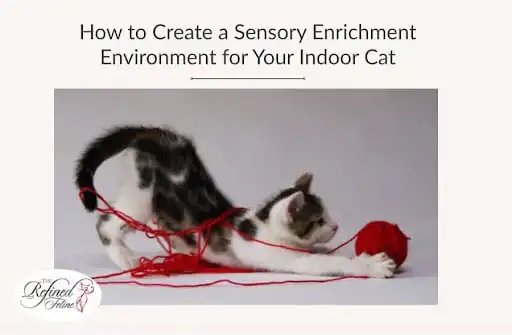
How to Create a Sensory Enrichment Environment for Your Indoor Cat
TL;DR: Key Takeaways
- Sensory enrichment keeps cats physically and mentally active.
- Indoor cat activities prevent cat boredom and stress.
- Mix sights, sounds, scents, and textures for full engagement.
- Rotate toys and environments to keep curiosity alive.
- Respect your cat’s limits; overstimulation can backfire.
- A happy indoor cat is one whose senses stay awake.
You already know your cat gets bored sometimes. Maybe you’ve seen them stare out the window, twitch their tail, or attack your socks for entertainment. You’re not wrong to worry. Indoor life is safe, but it can be monotonous. Let’s fix that by redrawing their world, one sense at a time.
What Is Sensory Enrichment for Indoor Cats?
Understanding Sensory Enrichment
Sensory enrichment means stimulating your cat’s five senses: sight, sound, smell, touch, and taste through playful, safe indoor cat activities. It mimics the excitement of the outdoors without the risk of traffic or predators.
Why Cats Need It
Cats are natural hunters, explorers, and observers. When those instincts don’t get exercised, cat boredom creeps in. They might overeat, scratch furniture, or nap endlessly (and not in a cute way).
Signs of Boredom
If your cat meows excessively, picks fights with your plants, or stares at walls like a furry philosopher, they’re craving stimulation. Sensory enrichment helps redirect that energy into curiosity and joy.
Why Sensory Enrichment Matters for Cat Health
Physical Benefits
Cats may seem lazy, but they need movement as much as humans do. Climbing, pawing, and chasing small objects strengthen muscles and coordination. These indoor cat activities also help maintain a healthy weight and reduce stress.
Mental and Emotional Benefits
Curiosity is your cat’s love language. Solving puzzles or stalking a toy mouse triggers dopamine, the “happy brain” chemical. Enrichment prevents cat boredom, helping them stay calm, confident, and less anxious.
The Bonding Advantage
When you participate in sensory enrichment, you’re not just entertaining your cat; you’re strengthening trust. A shared play routine makes you their favorite human jungle gym.
How to Create an Engaging Sensory Space
Start with Visual Stimulation
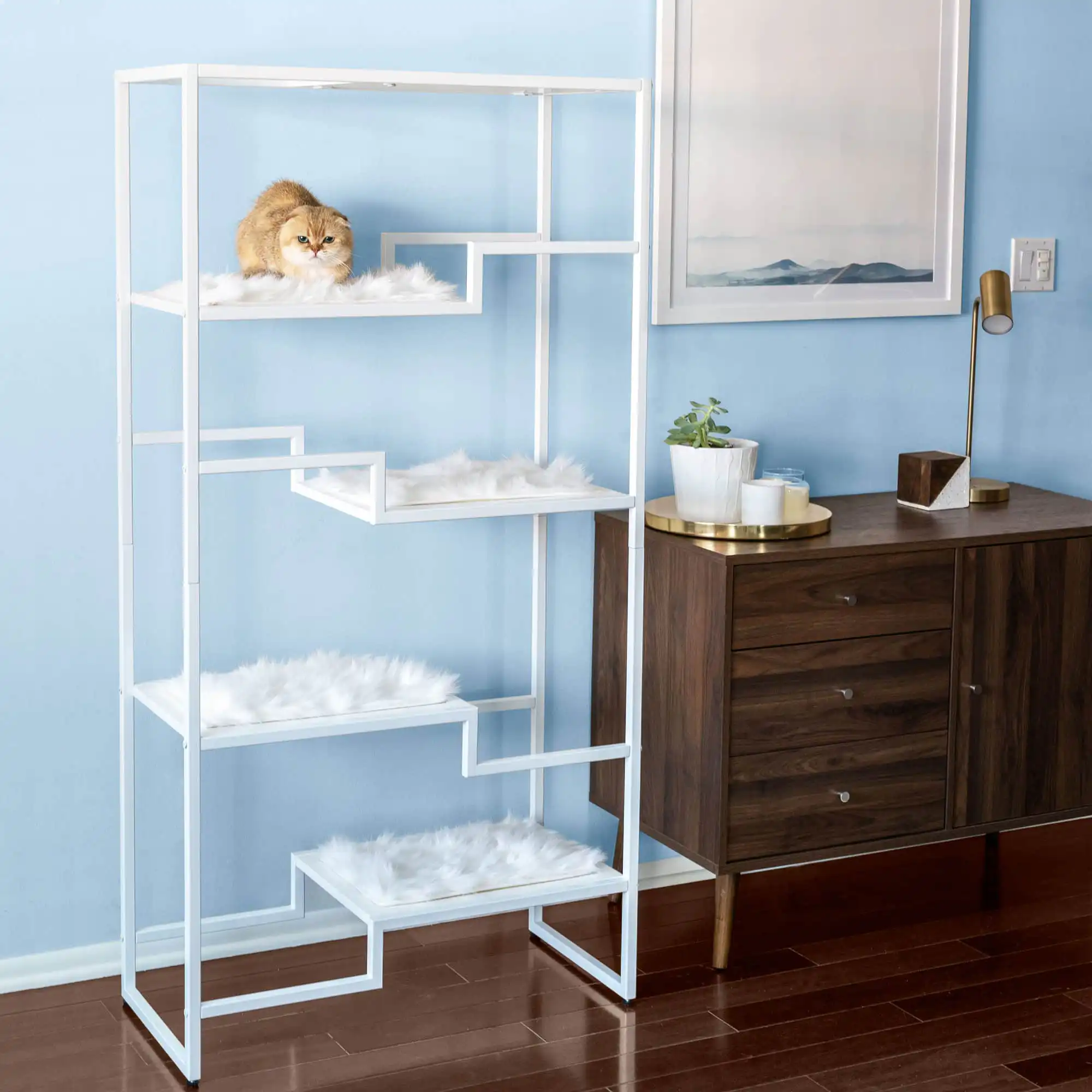
Cats are sight-driven. Set up window perches so they can watch birds, squirrels, or falling leaves. You can even play short bird videos on your TV (yes, cat TV is a thing).
Introduce Tactile Surfaces
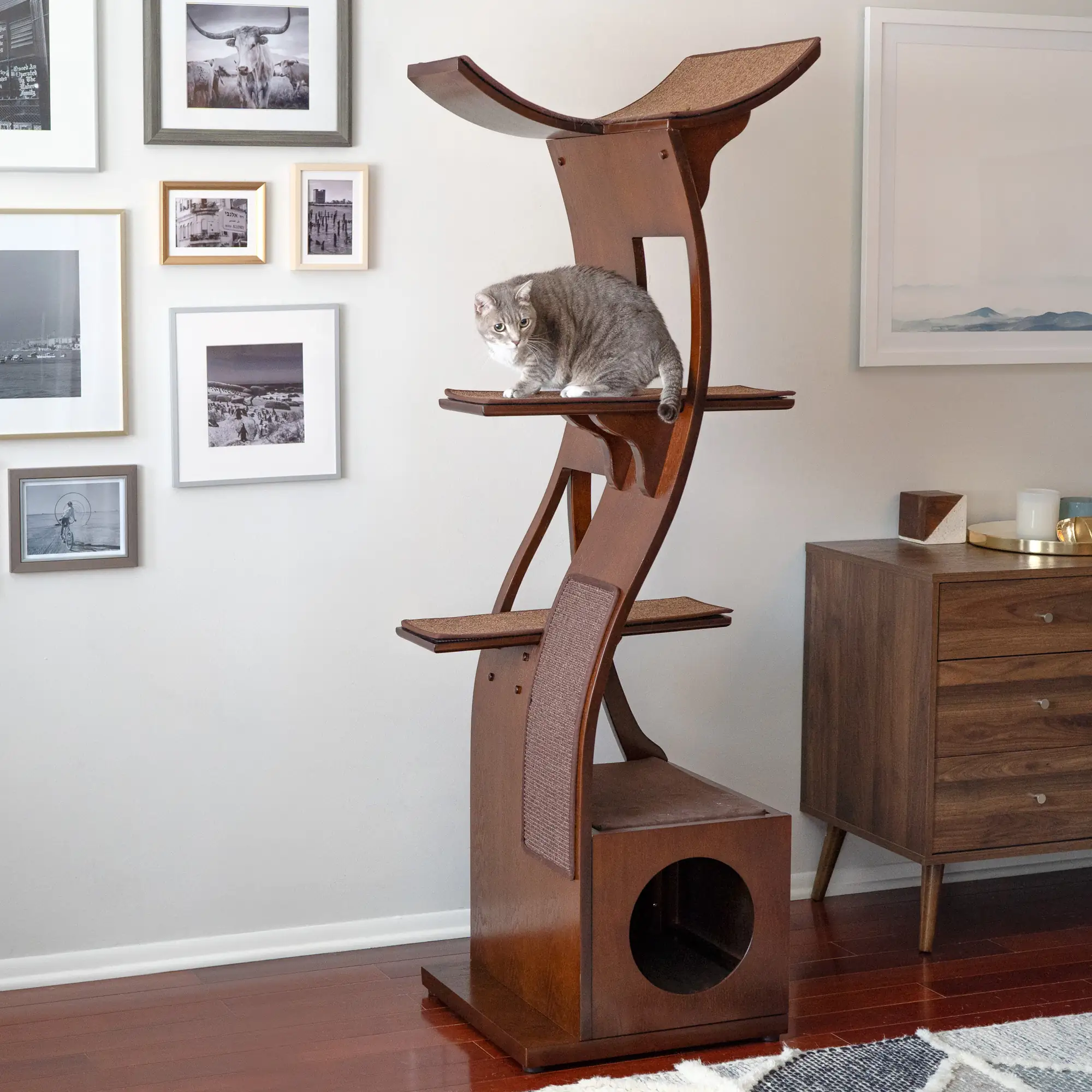
Every cat needs textures to explore: carpet, sisal rope, faux fur. Rotate different surfaces around their play area. Scratching posts made of different materials provide both exercise and comfort.
Fun Tactile Additions
- Sisal mats or scratch boards
- Plush blankets for cozy naps
- Smooth tiles for cooling off
- Cardboard tunnels for playful ambushes
Engage Their Ears
Cats have sensitive hearing; use it wisely. Add nature sounds or soft music made specifically for cats. Even the sound of a dripping fountain can trigger curiosity.
Add Scents Safely
Sensory enrichment through scent is powerful. Use cat-safe herbs like catnip, silvervine, or valerian root. Hide treats with these scents in boxes or puzzle toys to turn your cat into a mini detective.
Cat-Safe Scent Ideas
- Catnip (classic and fun)
- Silvervine (great for cats immune to catnip)
- Fresh mint or basil leaves (in moderation)
- Unscented toys for gentle sniffing
Play with Taste
Offer variety through texture and flavor. Swap crunchy treats with soft or chewy ones. Try lick mats or frozen broth cubes for an edible adventure.
What Can Go Wrong and How to Fix It
Overstimulation Happens
Sometimes, too much sensory enrichment can stress your cat out. If they start hiding or overgrooming, simplify the setup. Cats need downtime too; think of it as their “me-time.”
Boredom Returns If You Don’t Rotate
Even the best toys lose their charm after a week. Store a few and reintroduce them later. Freshness keeps curiosity alive.
Forgetting Individual Preferences
No two cats are alike. Some love noisy toys; others prefer silent stalking. Observe what lights up their whiskers and skip what doesn’t.
Simple Indoor Cat Activities to Try
DIY Exploration Zones
Turn everyday items into play tools. A crinkled paper bag, cardboard box maze, or towel fort can spark hours of indoor cat activities.
Hide-and-Seek Treats
Scatter small treats around the room or inside puzzle toys. This recreates the thrill of the hunt, minus the real mice.
The Window Theater Trick
If you can, install a bird feeder near the window. You’ll instantly create live entertainment, and your cat becomes a peaceful (and safe) spectator.
Final Thoughts
Your cat’s senses are their gateway to joy. Sensory enrichment isn’t about expensive gadgets. It’s about curiosity, texture, movement, and connection. Every sound, scent, and touch shapes their tiny indoor world.
Next time your cat looks bored, don’t just reach for a toy. Ask, “What haven’t they seen, smelled, or felt lately?” Then go make their next great adventure happen, one whisker twitch at a time.
Frequently Asked Questions
Q. What is sensory enrichment for cats?
Ans. Sensory enrichment is all about awakening your cat’s natural instincts through the five senses: sight, sound, smell, touch, and taste. It means filling your cat’s world with safe, stimulating experiences that mimic the outdoors. Think moving toys that trigger their hunter’s reflexes, different textures to explore, and new scents to sniff. These activities aren’t just fun; they help your cat stay alert, curious, and emotionally balanced. In short, it’s how you make an indoor space feel like an adventure playground for your feline friend.
Q. Why do indoor cats get bored?
Ans. Cat boredom usually sneaks in when life becomes too predictable. In nature, cats spend hours stalking, pouncing, climbing, and observing. Inside, those instincts don’t vanish. They just lack an outlet. Without regular stimulation, your cat might start overeating, scratching furniture, or meowing excessively out of frustration. They may even sleep more, not because they’re tired, but because there’s nothing else to do. The cure? A mix of interactive play, climbing spots, and varied indoor cat activities that bring excitement back into their daily routine.
Q. Are sensory toys necessary for cats?
Ans. Absolutely! Sensory toys are like gym memberships for your indoor cat’s mind and body. They encourage exploration, mimic hunting, and give your cat a sense of purpose. Puzzle feeders challenge problem-solving skills, while moving toys tap into their predatory instincts. Scratching posts and climbing trees help release energy safely. These toys prevent destructive habits, reduce stress, and keep your cat happy, not just occupied. Even ten minutes of daily sensory enrichment can make a noticeable difference in their behavior and well-being.
Q. Can I overdo sensory enrichment?
Ans. You can, and that’s where balance matters. While sensory enrichment is great, too much noise, scent, or constant novelty can overwhelm a cat. You might notice signs like hiding, refusing food, or overgrooming, their way of saying, “I need a break.” Introduce new things slowly, one at a time, and watch how your cat reacts. Keep a few quiet zones in your home where they can retreat and relax. Cats thrive when stimulation and calm coexist.
Q. What are easy sensory activities for cats?
Ans. The best indoor cat activities don’t need fancy gadgets. Open a window for safe bird watching or play short nature sounds to engage their hearing. Create DIY scent trails with catnip or hide treats in paper cups for a little “paw and seek.” Textured mats, cardboard tunnels, and feather toys keep them entertained through touch and movement. Even a dripping faucet or a rotating laser pointer can become a mini adventure. The key is variety; new experiences keep your cat curious, confident, and content.
Q. How often should I change their setup?
Ans. Cats crave novelty, but not chaos. Refreshing their sensory enrichment setup every few weeks keeps things exciting without stress. Rotate toys, switch scratching post locations, or introduce new textures or scents. You don’t need to overhaul everything. Small changes make a big impact. For example, move their perch to a different window or hide treats in new spots. Think of it as redecorating your cat’s playground to keep curiosity alive. When you vary their environment, you keep boredom at bay and their senses sharp.