

How to Choose Cat Furniture That Fits Your Cat’s Personality
TL;DR: Key Takeaways
- Personality assessment drives successful cat furniture selection. Observe your cat’s behavior patterns, social tendencies, and physical preferences before making purchases.
- Multi-functional cat furniture maximizes space efficiency while providing cats with essential resources for scratching, sleeping, and territorial expression.
- Material and texture preferences significantly impact whether cats will actually use cat furniture, making observation of current preferences crucial for selection success.
- Strategic placement enhances cat condo furniture functionality by considering traffic patterns, sight lines, and territorial boundaries within your home environment.
- Quality investment in durable, adaptable pieces proves more economical than frequent replacements of cheaper alternatives that don’t meet long-term needs.
- Multi-cat households require careful resource planning to prevent competition and ensure all cats have access to preferred cat furniture options.
Just like how Marvel’s Black Panther prowls with regal confidence while Garfield lounges with lazy charm, cat furniture selection requires understanding your feline’s unique personality traits. Pet parents see that cat condo furniture is more than just functionality. It is also about creating purr-sonalized environments that reflect each cat’s individual quirks and preferences.
Whether you’re shopping for cat furniture online or seeking the best cat condos at specialty retailers, the key lies in matching your pet’s behavioral patterns with appropriate designs. Think of it as feline feng shui: when your cat’s personality aligns perfectly with their furniture, harmony ensues, scratching posts get used instead of your sofa, and everyone lives happily ever after.
This comprehensive guide will help you navigate the exciting world of personality-based cat furniture selection, ensuring your investment pays dividends in both pet satisfaction and home harmony.
Understanding Cat Personality Types and Their Furniture Needs
Identifying Your Cat’s Personality Type
This serves as the roadmap for making informed cat furniture decisions that enhance their daily comfort and natural behaviors. Cat behaviorists typically categorize felines into several distinct personality types, each with specific environmental and furniture preferences that are simply claw-some when matched correctly.
The Explorer Cat
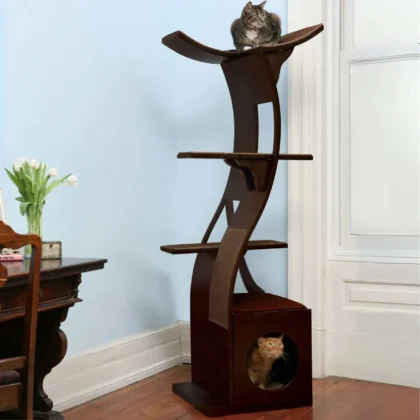
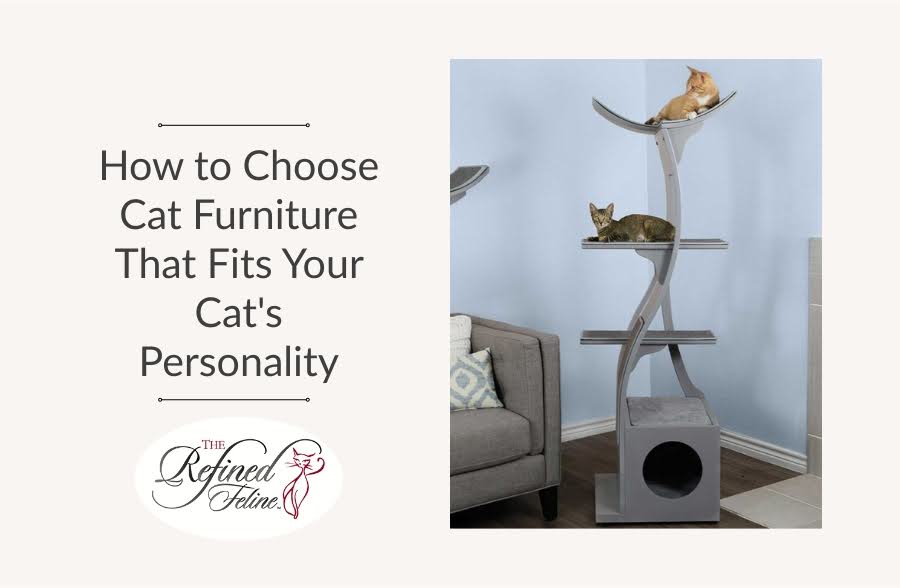
This kind of cat thrives on adventure and needs cat furniture that satisfies their curiosity and climbing instincts. These cats benefit from tall structures like the Lotus Cat Tower, which provides multiple levels for exploration and observation. Their active nature means they’ll utilize every platform, scratching surface, and hiding spot available. It’s like giving them their own personal jungle gym.
The Laid-Back Lounger
This cat prefers comfort above all else, seeking out the softest, most luxurious spots for extended napping sessions. These cats appreciate cat furniture with plush cushions and cozy hideaways, making pieces like the A-Frame Cat Bed ideal with its comfortable cushioned interior and dual-purpose design that’s simply purr-fect for extended catnaps.
The Social Butterfly
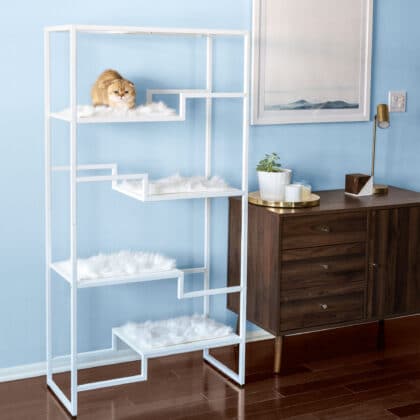
A social cat wants to be part of the family action, preferring cat condo furniture that keeps them visible and accessible while maintaining their elevated perspective. Open cat condos and wall-mounted shelves work perfectly for these personality types, allowing them to observe and interact with their human family while staying fur-tunately positioned for maximum attention.
The Shy Wallflower
Shy cats require private, secure spaces where they can retreat and feel safe. These cats need enclosed cat furniture with multiple exit routes and hidden compartments that provide security while still offering comfort because sometimes even cats need their own personal fortress of solitude.
Matching Furniture Features to Behavioral Traits
Scratching behavior analysis reveals critical insights about your cat furniture needs and preferred textures. Cats who scratch vertically on walls and door frames need tall scratching posts like the Calypso Everlasting Cat Scratcher, while horizontal scratchers prefer floor-level options or furniture with integrated scratching surfaces that are simply claw-some for their needs.
Sleep Pattern Observation
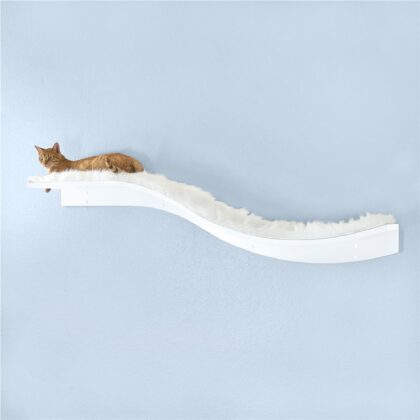
Sleep pattern helps determine whether your cat needs multiple small resting spots or fewer large, comfortable areas. Cats who nap frequently in short bursts benefit from wall shelves like the Lotus Leaf Cat Shelf throughout their territory, while deep sleepers prefer substantial, cushioned cat furniture pieces that support their beauty sleep schedule.
Social Interaction Preferences
Your cat’s social interactions dictate whether your cat condo furniture should promote visibility or privacy. Highly social cats thrive with the Metropolitan Cat Condo, which offers multiple open platforms for family interaction, while reserved cats prefer enclosed options that give them paws for privacy.
Territory Marking Tendencies
The territorial nature of your cats influences the number and placement of cat furniture pieces needed. Cats with strong territorial instincts require furniture in multiple rooms to establish their presence throughout the home, while less territorial cats may be content with centralized cat condo furniture arrangements that serve as their primary base of operations.
Size and Space Considerations for Cat Furniture
Physical Dimensions
Physical dimensions matter significantly when selecting cat furniture that accommodates your pet’s size, weight, and mobility needs. Large cats require sturdy, spacious furniture with reinforced construction, while smaller cats can utilize more compact, lightweight options that don’t take up excessive floor space but still provide maximum functionality.
Available Space
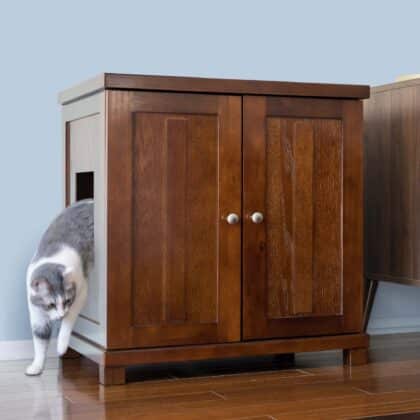
Assessing space availability determines whether you need multi-functional cat furniture pieces that serve dual purposes or can dedicate areas specifically to feline needs. The Purrrrfect End Table exemplifies space-efficient design, functioning as both cat furniture and human furniture simultaneously. It’s the cat’s meow of versatile design.
Ceiling Height
Ceiling height considerations affect the maximum height of cat condos and towers you can accommodate. High ceilings allow for impressive installations like tall cat towers, while standard ceiling heights may require creative combinations of wall-mounted shelves and medium-height cat furniture pieces that still provide vertical territory without overwhelming the space.
Traffic Flow
Analysing traffic flow ensures cat furniture placement doesn’t impede household movement while still providing cats with their preferred observation and resting spots. Strategic placement near windows, in quiet corners, or along walls maximizes functionality without disrupting daily routines. It’s about finding that purr-fect balance between human and feline needs.
Material Preferences and Sensory Needs
Texture
Textural preferences vary dramatically between individual cats, with some preferring soft fabrics while others gravitate toward natural materials like sisal or wood. Observing which household surfaces your cat currently chooses for scratching and resting provides valuable insight into their material preferences and helps prevent future furniture cat-astrophes.
Temperature Regulation
Temperature regulation needs to influence whether your cat prefers cat furniture with cooling properties like elevated designs that promote airflow, or warming options like enclosed beds. The A-Frame Cat Bed offers ventilation capabilities when placed over air vents, accommodating temperature-sensitive cats who are particular about their comfort zones.
Cleaning and Maintenance
Cleaning and maintenance requirements should align with your cat’s grooming habits and your household’s cleanliness standards. Cats who shed heavily need cat furniture with easily removable, washable components, while fastidious cats may appreciate materials that resist odor absorption and staining because nobody wants furniture that’s a hair-raising maintenance challenge.
Durability
Durability expectations depend on your cat’s activity level and play style. Aggressive scratchers and active players require heavy-duty construction with replaceable components, ensuring long-term value from your cat condo furniture investment without constant replacement headaches.
Multi-Cat Household Dynamics
Resource Availability
Resource competition analysis becomes crucial when selecting cat furniture for multiple felines, as cats need adequate resources to prevent territorial disputes. The general rule suggests providing one more resource than the number of cats, meaning three cats need at least four prime resting spots. It’s all about preventing any catfights over the best seats in the house.
Personality Compatibility
Personality compatibility assessment helps determine whether cats will share cat furniture peacefully or require separate installations. Dominant cats may monopolize preferred spots, necessitating multiple high-value locations to prevent conflicts and ensure every cat gets their fair share of luxury accommodations.
Size and Age of Your Cats
Size and age variations within multi-cat households require cat condos accommodating different physical capabilities and preferences. Senior cats need easily accessible options, while younger cats appreciate challenging climbing structures that let them show off their athletic prowess. It’s about creating furniture that’s age-appropriate for every feline family member.
Territorial Boundaries
Established territory boundaries influence cat furniture placement throughout the home, ensuring each cat has access to preferred areas without infringing on others’ claimed spaces. Respecting these invisible boundaries prevents territorial disputes and maintains household harmony.
Budget-Conscious Selection Strategies for Cat Furniture
Investment prioritization focuses your budget on cat furniture pieces that address your cat’s primary behavioral needs first. Understanding whether your cat prioritizes scratching, sleeping, or climbing helps allocate funds toward the most impactful purchases, because every dollar should count toward feline happiness.
Quality versus quantity decisions require balancing initial costs against long-term value. Higher-quality pieces like the Refined Cat Litter Box Deluxe often prove more economical over time due to superior durability and replaceable components. It’s an investment that pays purr-manent dividends.
Final Thoughts
The Refined Feline addresses the complex challenge of matching cat furniture to individual personalities through their comprehensive collection of modern, functional designs. Their product line accommodates every personality type, from the adventurous explorer who needs the multi-level Lotus Cat Tower to the privacy-seeking introvert who prefers the enclosed A-Frame Cat Bed.
Expert design consideration ensures each piece serves multiple behavioral needs while maintaining aesthetic appeal in modern homes. Their modular approach allows cat owners to build comprehensive cat furniture systems tailored to their specific cats’ personalities and household requirements. It’s simply the cat’s pajamas of personalized design.
Explore personality-matched cat furniture solutions that transform your home into a cat-friendly environment without compromising style or functionality.
Frequently Asked Questions
Q. How do I determine my cat’s personality type for cat furniture selection?
Observe your cat’s daily behaviors over several weeks, noting where they prefer to sleep, how they interact with family members, their scratching patterns, and activity levels. Cats who seek high perches and social interaction are likely explorers or social butterflies, while those hiding under furniture or in closets are probably shy wallflowers. Document these patterns to create a personality profile that guides cat furniture decisions and prevents costly mistakes.
Q. What cat furniture works best for multiple cats with different personalities?
Multi-level cat condos like the Metropolitan Cat Condo provide diverse options accommodating various personality types simultaneously, with open platforms for social cats and partially enclosed areas for shy ones. Combine this with distributed resources throughout your home, including wall shelves for climbers and cozy hideaways for introverts. The key is providing more cat furniture resources than cats to prevent competition and territorial disputes.
Q. How can I encourage my cat to use new cat furniture that matches their personality?
Gradual introduction works best – place new cat furniture near areas your cat already frequents and use familiar scents by rubbing the furniture with their bedding or toys. For personality-matched pieces, highlight the features that appeal to their specific traits: demonstrate scratching surfaces for active cats or place treats in enclosed areas for shy cats. Patience is crucial as some cats need weeks to accept new cat condo furniture additions.
Q. Should I prioritize scratching posts or sleeping areas when my cat furniture budget is limited?
Prioritize based on your cat’s primary behavioral needs and current problems. If your cat is destroying household items through inappropriate scratching, invest in quality scratching cat furniture first. If they’re sleeping in uncomfortable or inconvenient locations, prioritize sleeping areas. Generally, scratching needs are more urgent since they affect household harmony, but personality assessment should drive this cat furniture decision.
Q. How do I know if cat condo furniture is appropriately sized for my cat’s personality and physical needs?
Active, explorer personalities need cat furniture they can fully stretch on – scratching posts should be at least 32 inches tall, while platforms should accommodate your cat’s full body length plus 25% extra space. Shy cats need openings large enough for comfortable entry and exit but small enough to feel secure. Measure your cat in various positions and add buffer space for comfort when selecting cat condos.What maintenance considerations should influence personality-based cat furniture selection? High-energy, active cats require cat furniture with easily replaceable components like scratching surfaces and washable cushions, since they’ll wear items out faster. Fastidious cats need cat furniture with smooth, easily cleaned surfaces that won’t trap odors or debris. Consider your own maintenance preferences too – some personalities like heavy scratchers need more frequent component replacement, affecting long-term costs and effort requirements for your cat condo furniture investment.