


Helping Your Cat Adjust to a New Home or Space
TL;DR: Key Takeaways
- Patience is paramount: Allow 2-4 weeks minimum for complete adjustment, with some sensitive cats needing up to 8 weeks to fully settle into their new environment.
- Safe room strategy works: Confining cats initially to one well-equipped room prevents overwhelming stress and provides a secure base for gradual territory expansion.
- Familiar items provide comfort: Bringing unchanged bedding, toys, and other scent-marked objects helps maintain psychological security during the transition period.
- Gradual introduction prevents problems: Slowly expanding access to new areas and carefully orchestrating pet introductions reduces territorial conflicts and anxiety-related behaviors.
- Environmental enrichment accelerates adjustment: Providing vertical spaces, multiple resource stations, and hiding spots addresses cats’ natural territorial and safety needs.
- Professional help is available: Veterinary behaviorists can provide additional support for cats experiencing prolonged adjustment difficulties or developing problematic behaviors.
Moving to a new home ranks among life’s most stressful experiences, not just for humans, but especially for our feline companions who thrive on familiar routines and territories. Cats are creatures of habit who form strong attachments to their environment, making relocation a particularly challenging transition that can trigger anxiety, behavioural issues, and health problems if not handled properly. Understanding how to introduce a cat to a new home becomes crucial for pet parents who want to ensure their furry family member feels secure and settles in successfully.
Understanding Cat Adjustment: The Science Behind Feline Stress
Cat’s adjustment to new environments
This is a complex behavioral and psychological process rooted in their evolutionary survival instincts. Unlike dogs, who are naturally pack animals, cats are territorial creatures who establish security through familiar scents, sounds, and spatial layouts. When relocated, cats experience what veterinary behaviorists call “displacement stress,” a condition where their established territorial boundaries and comfort zones are completely disrupted.
Think of it like being blindfolded and dropped into a foreign country where you don’t speak the language. Your cat experiences something similar when moving to a new home. Every scent, sound, and corner represents a potential threat until proven safe. This explains why even the most confident indoor cats may suddenly become withdrawn, refuse to eat, or exhibit unusual behaviors during relocation. Modern research shows that cats require approximately 2-4 weeks to fully acclimate to new environments, with some sensitive individuals needing up to 8 weeks to completely settle in.
Pre-Move Preparation: Setting the Foundation for Success
Creating Your Cat’s Comfort Kit
Planning ahead makes the difference between a traumatic transition and a smooth adjustment period for your feline friend. Start preparing at least two weeks before your moving date by maintaining consistent routines and gathering familiar items that will accompany your cat to the new home.
Create a “comfort kit” containing your cat’s favorite blanket, toys, scratching post, and any items that carry familiar scents. Avoid washing these items before the move. The familiar smells provide crucial psychological comfort during the transition. If possible, visit the new home beforehand and leave some of your clothing there to begin establishing your scent in the space.
Pre-Move Health and Safety Preparations
Consider scheduling a veterinary checkup before moving, especially if relocating long distances. Your vet can provide anti-anxiety medications if your cat is particularly stress-prone, and ensure all vaccinations are current. Update identification tags and microchip information with your new address and local veterinary contact information.
The Journey: Safe Transportation to Your New Home
Choosing the Right Carrier and Setup
Car travel is the first major stressor in your cat’s relocation experience, making proper transportation crucial for starting the adjustment process positively. Always use a secure, well-ventilated carrier that’s large enough for your cat to stand and turn around comfortably, but cozy enough to feel protective rather than overwhelming.
Place familiar bedding inside the carrier and consider covering it partially with a light blanket to create a den-like atmosphere. Speak softly and calmly throughout the journey, avoiding sudden movements or loud music that might increase anxiety. Never allow children to poke fingers through carrier openings or make sudden noises. Your cat needs this time to process the changing environment gradually.
Managing Long-Distance Moves
For longer journeys, plan stops every 2-3 hours to check on your cat’s welfare, but resist the urge to open the carrier unless absolutely necessary. Cats often feel more secure remaining in their mobile safe space rather than being handled during stressful travel.
Setting Up the Safe Room: Your Cat’s New Command Center
Choosing and Preparing the Ideal Space
The safe room concept forms the cornerstone of successful cat adjustment, providing a controlled environment where your feline can decompress and gradually acclimate to their new surroundings. Choose a quiet room away from high-traffic areas. A spare bedroom, home office, or even a large bathroom works perfectly.
Equip this space with all essential resources: fresh water and food bowls positioned away from the litter box, a clean litter box filled with familiar litter, comfortable bedding, favorite toys, and a scratching surface. Ensure windows are securely screened and remove any potential hazards like electrical cords, small objects, or toxic plants.
Creating Comfort and Security Features
The room should feel cozy rather than empty. Cats appreciate hiding spots like cardboard boxes, cat trees, or spaces under furniture where they can retreat when feeling overwhelmed. Position these elements to create multiple levels and hiding options, allowing your cat to choose their preferred vantage points and retreat spaces.
The First 24 Hours: Gentle Introduction Protocol
Arrival and Initial Setup
Initial introduction to the new environment sets the tone for your cat’s entire adjustment experience, making patience and gentle handling absolutely critical during these first crucial hours. Upon arrival, carry your cat directly to the prepared safe room without allowing exploration of other areas. This prevents overwhelming them with too much new information at once.
Open the carrier door and step back, allowing your cat to emerge when they feel ready. Some cats bolt immediately to find hiding spots, while others may remain in the carrier for hours. Both reactions are completely normal. Resist the urge to coax or force interaction; instead, sit quietly nearby and speak in soft, reassuring tones.
Managing Food and Water During Initial Stress
Offer fresh water immediately, but wait 1-2 hours before providing food, as stress can cause digestive upset. Many cats won’t eat for the first day or two. This is normal unless it extends beyond 48 hours, at which point veterinary consultation becomes necessary.
Gradual Territory Expansion: The Step-by-Step Process
Reading Your Cat’s Readiness Signals
Expanding your cat’s territory should happen gradually over several days to weeks, depending on your individual cat’s comfort level and personality. Signs that your cat is ready for more space include eating regularly, using the litter box consistently, showing curiosity about sounds from other rooms, and spending time in the open rather than constantly hiding.
Begin by opening the safe room door during quiet periods, allowing your cat to venture out while keeping the room available as their home base. Many cats will make brief exploratory trips before returning to their secure space. This back-and-forth behavior indicates a healthy, natural adjustment.
Room-by-Room Introduction Strategy
Introduce one new room at a time, supervising initial explorations and ensuring each space is cat-proofed before access. Remove or secure potential hazards like toxic plants, small objects that could be swallowed, accessible electrical cords, and ensure all windows have secure screens.
Managing Multi-Pet Households: Introducing Your Cat to Resident Animals
Preparation and Initial Separation Protocol
Pet introductions require extra patience and careful orchestration to prevent territorial disputes and ensure everyone’s safety. Keep resident animals completely separated from your new cat for at least the first week, allowing the newcomer to establish confidence in their safe room before meeting housemates.
For homes with resident cats, begin introductions through scent exchange. Rub a clean cloth on your new cat and place it near your resident cat’s favorite spots, and vice versa. This allows both cats to become familiar with each other’s scent before face-to-face meetings. Feeding both cats on opposite sides of a closed door can create positive associations between the new scent and good experiences.
Cat-to-Dog Introduction Guidelines
When introducing cats to resident dogs, ensure the dog is well-trained in basic commands and maintain strict supervision during all interactions. Never allow dogs to chase cats, even in play, as this can create lasting fear and stress. Provide high perches and escape routes where cats can retreat if feeling overwhelmed.
Creating Long-Term Comfort: Environmental Enrichment Strategies
Vertical Territory and Climbing Options
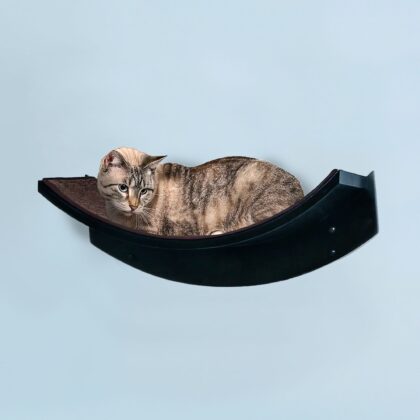
Environmental enrichment plays a crucial role in helping cats feel secure and content in their new home, addressing both physical and psychological needs through thoughtful space design. Cats require vertical territory just as much as horizontal space. Install cat trees, shelves, or perches that allow your feline to survey their new domain from elevated positions.
Establish multiple resource stations throughout the home rather than concentrating everything in one area. This means water bowls in several rooms, multiple comfortable resting spots, and scratching surfaces of varying textures and angles. The “rule of one plus one” applies to multi-cat households. Provide one litter box per cat plus one extra, distributed across different areas.
Calming Aids and Pheromone Support
Consider installing synthetic pheromone diffusers in main living areas to provide additional calming support during the adjustment period. These products mimic natural cat pheromones that signal safety and comfort, helping reduce stress-related behaviors.
Recognizing Adjustment Milestones: Signs Your Cat is Settling In
Positive Behavioral Indicators
Positive adjustment indicators help you gauge your cat’s progress and identify when additional support might be needed. Healthy cats adapting well to new homes typically show increased appetite within 3-5 days, resume normal grooming behaviors, begin exploring beyond their safe room, and start displaying playful or affectionate behaviors.
Watch for the return of normal sleeping patterns. Cats who feel secure will eventually seek out multiple comfortable sleeping spots rather than hiding constantly. Renewed interest in toys, scratching posts, and interaction with family members indicates growing confidence and comfort.
Temporary Behavioral Changes to Expect
However, some cats may show temporary behavioral changes like increased vocalization, changes in litter box habits, or mild aggression during adjustment. These behaviors typically resolve within 2-4 weeks as the cat settles into their new routine.
Troubleshooting Common Adjustment Challenges
Addressing Eating and Hiding Issues
Behavioral issues during the adjustment period are common and usually temporary, but knowing how to address them prevents minor problems from becoming established habits. Cats who refuse to eat for more than 48 hours require veterinary attention, as prolonged food avoidance can lead to serious health complications.
Inappropriate elimination often stems from stress or dissatisfaction with litter box placement or cleanliness. Ensure boxes are in quiet, easily accessible locations and maintain the same litter type your cat used previously. Clean accidents thoroughly with enzymatic cleaners to prevent repeat incidents in the same locations.
When to Seek Professional Help
Excessive hiding or withdrawal that persists beyond the first week may indicate your cat needs additional support. Consider consulting with a veterinary behaviorist if your cat shows no signs of improvement after 2-3 weeks, as they may benefit from anti-anxiety medications or specialized behavior modification techniques.
Frequently Asked Questions
Q. How long does it typically take for a cat to adjust to a new home?
Most cats require 2-4 weeks to show significant signs of adjustment, though individual timelines vary considerably based on personality, previous experiences, and the specific circumstances of the move. Confident, well-socialized cats may begin exploring within days, while shy or previously traumatized cats might need 6-8 weeks to fully settle. If your cat shows no improvement after a month, consult with a veterinary behaviorist for additional support strategies.
Q. Should I let my cat hide when they first arrive at the new home?
Absolutely. Hiding is a completely normal and healthy coping mechanism that helps cats feel secure while processing their new environment. Forcing interaction often increases stress and prolongs adjustment. Instead, provide multiple comfortable hiding options like cardboard boxes or spaces under furniture, and ensure food, water, and litter boxes remain easily accessible. Most cats will emerge on their own timeline once they feel the environment is safe.
Q. Is it normal for my cat to stop eating after moving to a new home?
Temporary appetite loss is extremely common during relocation stress, with many cats eating very little for the first 24-48 hours. However, if your cat refuses all food for more than 48 hours, contact your veterinarian immediately, as this can lead to serious health complications. Encourage eating by offering favorite foods, warming wet food slightly, and ensuring feeding areas are quiet and secure.
Q. Can I use calming products to help my cat adjust faster?
Synthetic pheromone products like Feliway diffusers can provide valuable support by mimicking natural cat pheromones that signal safety and comfort. Start using pheromone diffusers 2-3 days before your cat’s arrival and continue for 4-6 weeks. For cats with severe anxiety, your veterinarian might recommend prescription anti-anxiety medications, which should always be used under professional guidance.
Q. What should I do if my cat starts having litter box problems in the new home?
Litter box issues during moves often result from stress or dissatisfaction with box placement rather than medical problems. Maintain the same litter type your cat used previously and place boxes in quiet, accessible locations away from food and water. Clean accidents thoroughly with enzymatic cleaners and ensure you have enough boxes. One per cat plus one extra. If problems persist beyond the first week, rule out medical causes with a veterinary examination.
Q. When can I start letting my cat outside after moving to a new home?
Cats should remain strictly indoors for a minimum of 4-6 weeks after moving to establish the new location as their home territory. This prevents them from attempting to return to their previous home. Before allowing outdoor access, ensure your cat is microchipped with updated information, wearing a collar with current contact details, and fully comfortable navigating your new home’s indoor layout.