

Gray Cat Breeds Every Pet Parent Should Know
Few things in the cat world are as striking as a silvery gray coat catching the light just right. Gray cats carry an elegance that feels almost effortless, whether they are lounging on a windowsill or perched on a modern cat tower surveying their kingdom.
What many people do not realize is that gray fur in cats is actually a diluted form of black. A specific gene causes pigment to be deposited unevenly on each hair strand, creating that soft, blue-gray tone the cat fancy world calls “blue.” Some gray cat breeds come exclusively in this color, while others offer gray as one of many possible shades.
Russian Blue
The Russian Blue is one of the most recognizable gray cat breeds in the world. A dense, plush double coat in a uniform blue-gray shade pairs beautifully with vivid green eyes.
Russian Blues are gentle, intelligent, and quietly affectionate. While they can be reserved around strangers, they form deep bonds with their families and often follow their favorite person from room to room. An independent streak means they handle alone time well, but they thrive on routine and do not appreciate sudden changes in their environment.
Grooming needs are minimal. A weekly brush keeps their thick coat in excellent shape.
British Shorthair
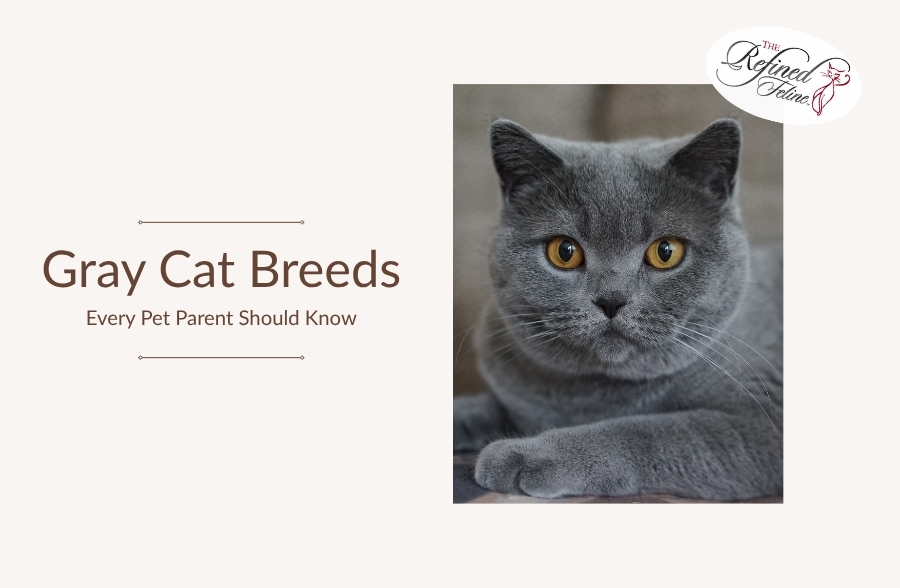
Often called the “British Blue” when wearing their signature gray coat, the British Shorthair is one of the oldest recognized cat breeds. A round face, copper or golden eyes, and a dense, plush coat give them a teddy-bear quality that is hard to resist.
Calm, easy-going, and adaptable, British Shorthairs make excellent family cats. Low-maintenance in temperament and grooming alike, they are content to lounge nearby without demanding constant attention. Regular brushing helps manage their thick coat, especially during shedding season.
Because of their less active nature, keeping a British Shorthair at a healthy weight is important. Providing climbing opportunities with a stepped cat condo encourages movement throughout the day.
Chartreux
The Chartreux is a rare French breed known for its woolly blue-gray coat and a facial structure that gives the appearance of a permanent smile. Quiet, observant, and deeply loyal, the Chartreux prefers gentle companionship over boisterous play.
Unlike many gray breeds, the Chartreux has a dense, water-resistant coat with a slightly woolly texture. Regular grooming keeps the coat healthy, though matting is less of a concern compared to longer-haired breeds.
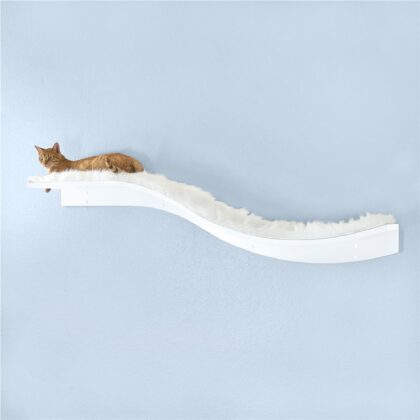
Chartreux cats are excellent hunters and love interactive play that challenges their instincts. A wall-mounted cat shelf positioned near a window gives them a perfect perch for observing birds and small animals outdoors.
Korat
The Korat originates from Thailand, where it is considered a symbol of good fortune. A single coat of silver-tipped blue-gray fur creates a shimmering, halo-like effect that sets this breed apart from other gray cats.
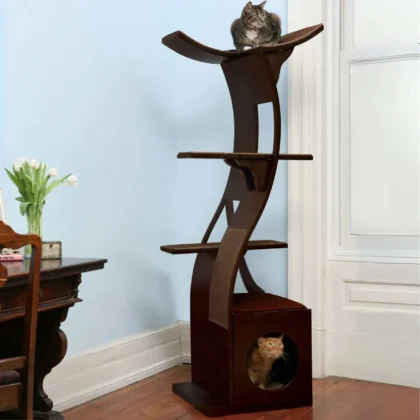
Korats are loyal, sensitive, and highly attuned to their owners’ emotions. Playful and energetic, they enjoy interactive toys and climbing opportunities. A tall cat tower with multiple platforms suits their athletic build and love of height.
Grooming is straightforward, as their single-layer coat sheds minimally and requires only occasional brushing.
Scottish Fold
Scottish Folds are instantly recognizable for their folded ears and round, owl-like faces. While they come in many colors, gray Scottish Folds are particularly popular for their soft, plush appearance.
Sweet, calm, and adaptable, Scottish Folds enjoy quiet companionship and fit well into a variety of living situations. Short-haired Folds need only a weekly brush, while long-haired varieties benefit from more frequent grooming.
Regular ear checks are essential for this breed, as their unique ear structure can trap moisture and debris. A calm, routine-oriented home keeps a Scottish Fold happy and relaxed.
Maine Coon
The Maine Coon is one of the largest domestic cat breeds, and a gray Maine Coon is an especially majestic sight. A long, water-resistant coat, tufted ears, and a bushy tail give them a wild, rugged appearance.
Friendly, social, and often described as “dog-like,” Maine Coons love being part of the family. Playful well into adulthood, they need plenty of space to climb and explore. A sturdy cat tower built for large cats with wide platforms and a heavy base gives them the room and stability they need.
Maine Coons require regular grooming to prevent their thick coat from matting, especially around the chest and belly. Brushing two to three times per week keeps their coat in top condition.
Persian
Persians are beloved for their long, luxurious coats and calm, gentle personalities. A gray Persian, sometimes called “blue,” has a dense, flowing coat that requires daily grooming to prevent tangles and mats.
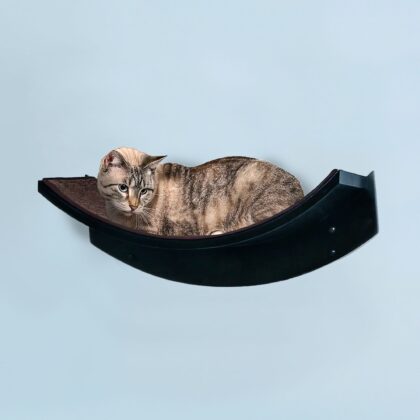
Quiet and affectionate, Persians prefer serene environments and make ideal lap cats. A cozy half-moon wall perch gives them a peaceful retreat where they can observe the household from a comfortable height without needing to climb extensively.
Nebelung
The Nebelung is a rare, long-haired breed with a silky blue-gray coat and luminous green eyes. Often described as “a creature of the mist,” the Nebelung is gentle, reserved, and deeply attached to its family.
Nebelungs do best in calm, predictable homes where they can settle into a routine. Regular brushing keeps their medium-length coat smooth, and providing quiet resting spots helps them feel secure.
Choosing the Right Gray Cat Breed for Your Home
Every gray cat breed brings a unique combination of temperament, grooming needs, and energy level. Matching a breed to your lifestyle is the best way to build a lasting, happy bond.
- Active households with climbing space do well with Korats, Maine Coons, or Chartreux cats.
- Families looking for a calm, low-maintenance companion may prefer a British Shorthair or Persian.
- Cat parents who value loyalty and quiet affection often connect deeply with Russian Blues or Nebelungs.
Regardless of breed, gray cats benefit from a home enriched with vertical climbing spaces, cozy resting areas, and engaging toys that channel their natural instincts.
Join the Club
A gray cat brings sophistication, warmth, and a touch of mystery to every home they grace. Whichever breed speaks to your heart, creating a space where your cat feels secure and stimulated makes all the difference. Browse our full collection of modern cat furniture to give your gray beauty a home worthy of their elegance.
Frequently Asked Questions
Q. Are gray cats rare?
Gray cats are not rare overall. Several breeds, including the Russian Blue, Chartreux, Korat, and Nebelung, come exclusively in gray. Many other breeds, such as the Maine Coon and British Shorthair, include gray as a common color option.
Q. Why are gray cats called “blue” in the cat world?
Gray fur in cats scatters light in a way that produces a subtle bluish tone, similar to how smoke can appear blue under certain lighting conditions. Cat registries adopted the term “blue” to describe this specific diluted shade of black.
Q. Do gray cats have specific health concerns?
Gray coat color itself does not cause specific health issues. However, certain gray breeds may have breed-specific health concerns. Russian Blues are generally very healthy, while Persians may be prone to respiratory and dental issues due to their flat facial structure.
Q. What eye colors do gray cats typically have?
Green and gold are the most common eye colors in gray cat breeds. Russian Blues are known for vivid green eyes, while British Shorthairs typically have copper or golden eyes. Korats have striking green eyes as well.
Q. Are gray cats good for families with children?
Many gray breeds are excellent family cats. British Shorthairs, Maine Coons, and Scottish Folds are known for their patience and adaptability around children. Quieter breeds like the Russian Blue and Nebelung may prefer calmer environments.
Q. What grooming do gray cats need?
Grooming varies by breed. Short-haired gray breeds like the Russian Blue and Korat need only weekly brushing. Long-haired breeds like the Persian and Nebelung require daily or near-daily grooming to prevent mats and tangles.