

Does Litter Box Furniture Actually Work? What Cat Owners Need to Know
Cat parents considering litter box furniture often ask the same question: Does it actually work, or is it just an expensive way to hide a litter tray? The honest answer is that well-designed litter box furniture works extremely well, but cheap versions can create more problems than they solve. Understanding the difference helps you invest wisely.
How Litter Box Furniture Works
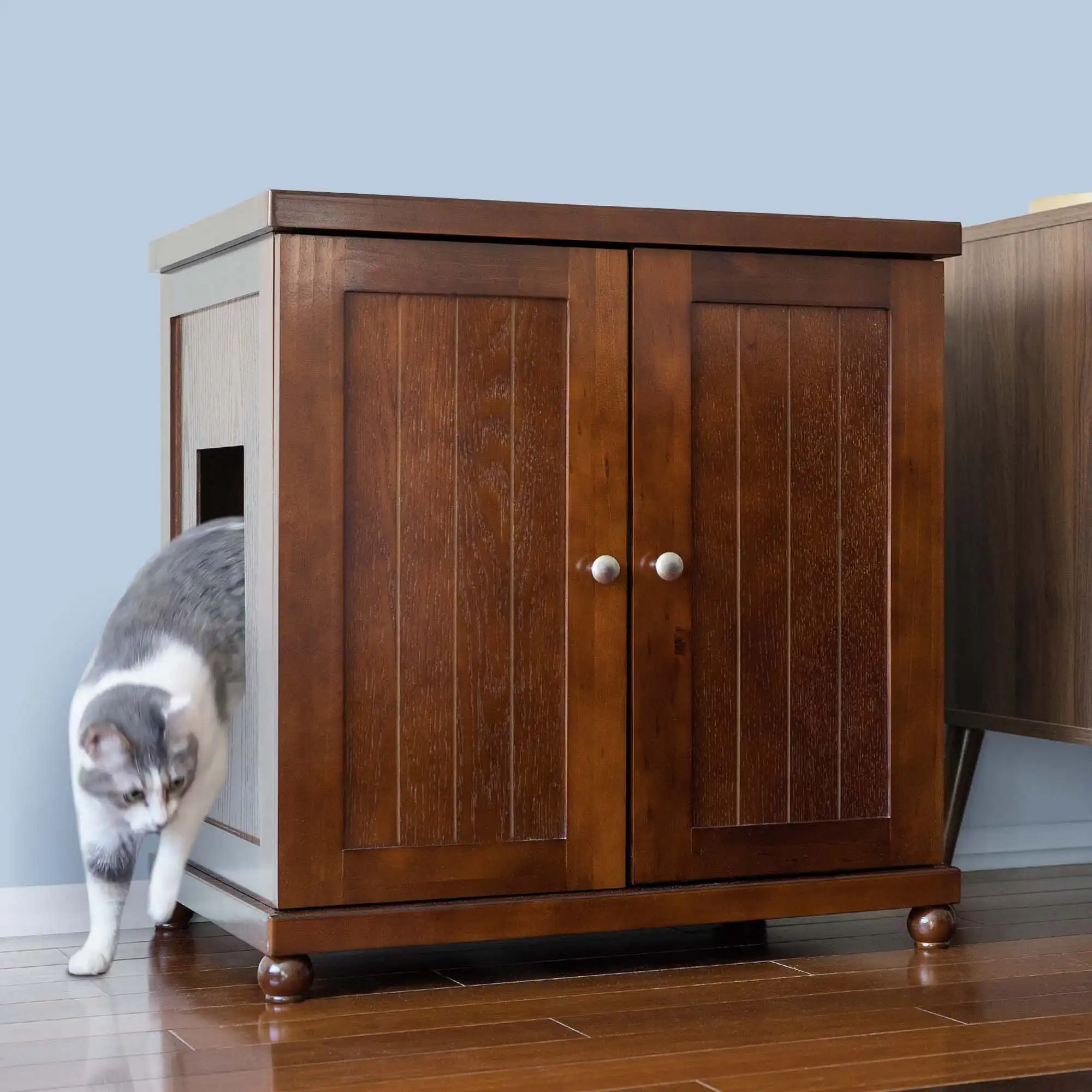
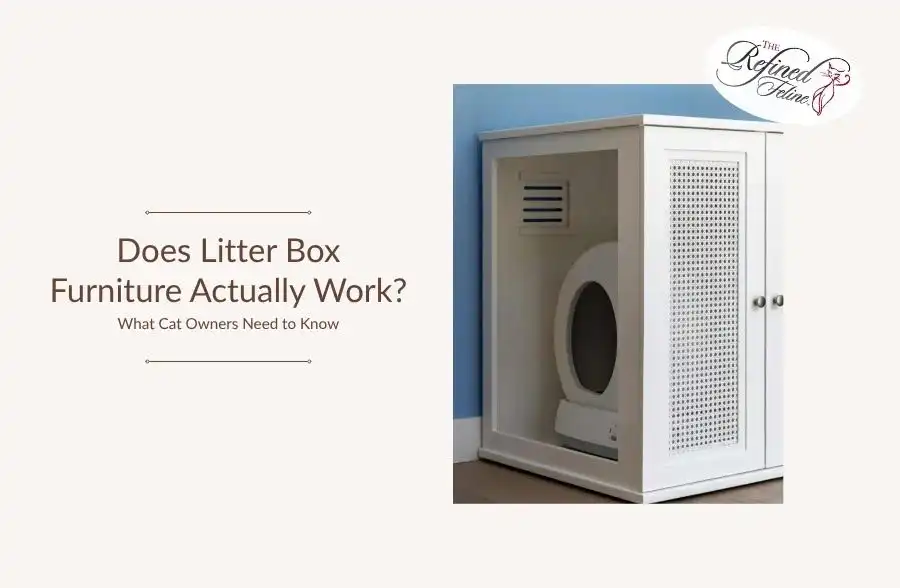
Litter box furniture is a cabinet or enclosure designed to hold your cat’s litter box inside a piece of furniture. Your cat enters through an opening, uses the box in privacy, and exits. You access the box through doors or panels for scooping and cleaning.
What Good Litter Box Furniture Solves
A quality enclosed litter box cabinet addresses four common complaints. Odor stays contained inside the cabinet and is filtered through the ventilation slots. Litter tracking decreases because the enclosure limits where loose granules can scatter. The litter box disappears from view, preserving your home’s aesthetic. Your cat gains a private, quiet space that matches their preference for enclosed bathroom spots.
Do Cats Actually Use Litter Box Furniture?
Most cats adapt to enclosed litter box furniture within a few days. Cats naturally prefer quiet, semi-enclosed spots for elimination. A cabinet provides exactly that environment.
How to Help Your Cat Transition
Place the cabinet in the same location as the current litter box. Transfer a small amount of used litter into the new setup, so your cat recognizes the scent. Leave the cabinet doors open initially so your cat can explore without feeling trapped. Most cats transition smoothly with a gradual introduction. A 60-day trial period, like those offered by reputable brands, gives even cautious cats plenty of time.
Cats Who May Resist
Very large cats may feel cramped in undersized cabinets. Senior cats with mobility issues might struggle with elevated entry points. Anxious cats who need escape routes may avoid single-entry designs. Choosing the right size and configuration for your specific cat prevents these issues.
Does Litter Box Furniture Really Control Odor?
Yes, when the cabinet includes proper ventilation and filtration. Enclosing the litter box creates a contained airspace. Ventilation slots with carbon filters absorb ammonia before it enters your room. A cabinet without ventilation, however, traps moisture and worsens the smell over time.
The Role of Material Quality
The particle board absorbs odors permanently. Oak veneer over plywood and solid wood resists odor absorption and wipes clean. The construction material determines whether your cabinet stays fresh after months of use or becomes a source of smell itself.
Does Litter Box Furniture Reduce Tracking?
An enclosed cabinet limits where litter can fly when your cat digs and covers waste. The walls of the cabinet catch scattered granules that would otherwise land on your floor. Adding a litter catch accessory at the exit traps any remaining granules stuck to your cat’s paws.
When Litter Box Furniture Does Not Work
Cheap litter box furniture creates problems that give the entire category a bad reputation.
Common Issues with Budget Options
Thin particle board warps and swells from moisture within months. Undersized interiors make it difficult for your cat to turn around comfortably. Cabinets without ventilation trap ammonia and create a health hazard. Flimsy doors and hinges break under regular use. A well-built litter box cabinet with oak veneer construction avoids all of these problems.
Size Mistakes
A cabinet that is too small forces your cat into uncomfortable positions and increases the mess. Always compare the internal dimensions of the cabinet against the size of your litter tray. Leave enough room for your cat to enter, turn, dig, and exit without touching the walls.
How to Choose Litter Box Furniture That Actually Works
Focus on these factors when evaluating options.
Match the cabinet size to your litter box. Large cabinets fit standard trays, and XLarge models accommodate jumbo or automatic litter boxes. Choose solid wood or oak veneer construction over particle board. Confirm the cabinet includes ventilation slots for airflow and optional carbon filters. Look for wide-opening doors that give you full access for scooping and deep cleaning. Check for a reversible entry design so you can position the cabinet flexibly in any room. Read customer reviews from verified buyers who have used the cabinet for at least a few months.
What Real Cat Owners Say
Verified reviews consistently highlight two themes: cats use enclosed cabinets readily, and odor management improves significantly compared to open litter trays. Concerns typically relate to assembly time (about an hour for most cabinets) and initial chemical smell from new wood finishes, which fades within a few days. The 60-day Happy Cat Guarantee offered by quality brands provides a risk-free way to test whether the furniture works for your specific cat.
Shop the Collection
Litter box furniture works when it is built right. Quality materials, proper ventilation, and cat-friendly sizing make the difference between a cabinet that transforms your home and one that gathers dust in a corner.
Take a look at the full range of premium litter box furniture and see what a well-designed enclosure can do for your space.
Frequently Asked Questions
Q. Does litter box furniture actually reduce smell?
Yes. Enclosed cabinets with ventilation slots and carbon filters contain and neutralize odor far more effectively than open litter trays.
Q. Will my cat use a litter box inside furniture?
Most cats transition within a few days. Cats naturally prefer enclosed, quiet spots for elimination. Gradual introduction with familiar litter helps.
Q. Is litter box furniture worth the investment?
Quality litter box furniture lasts for years and eliminates the visual and odor issues of open litter boxes. Budget options may create more problems than they solve.
Q. How big should litter box furniture be?
The cabinet interior should be at least 1.5 times the length of your cat. Standard Large sizes fit most trays, while XLarge sizes accommodate jumbo and automatic litter boxes.
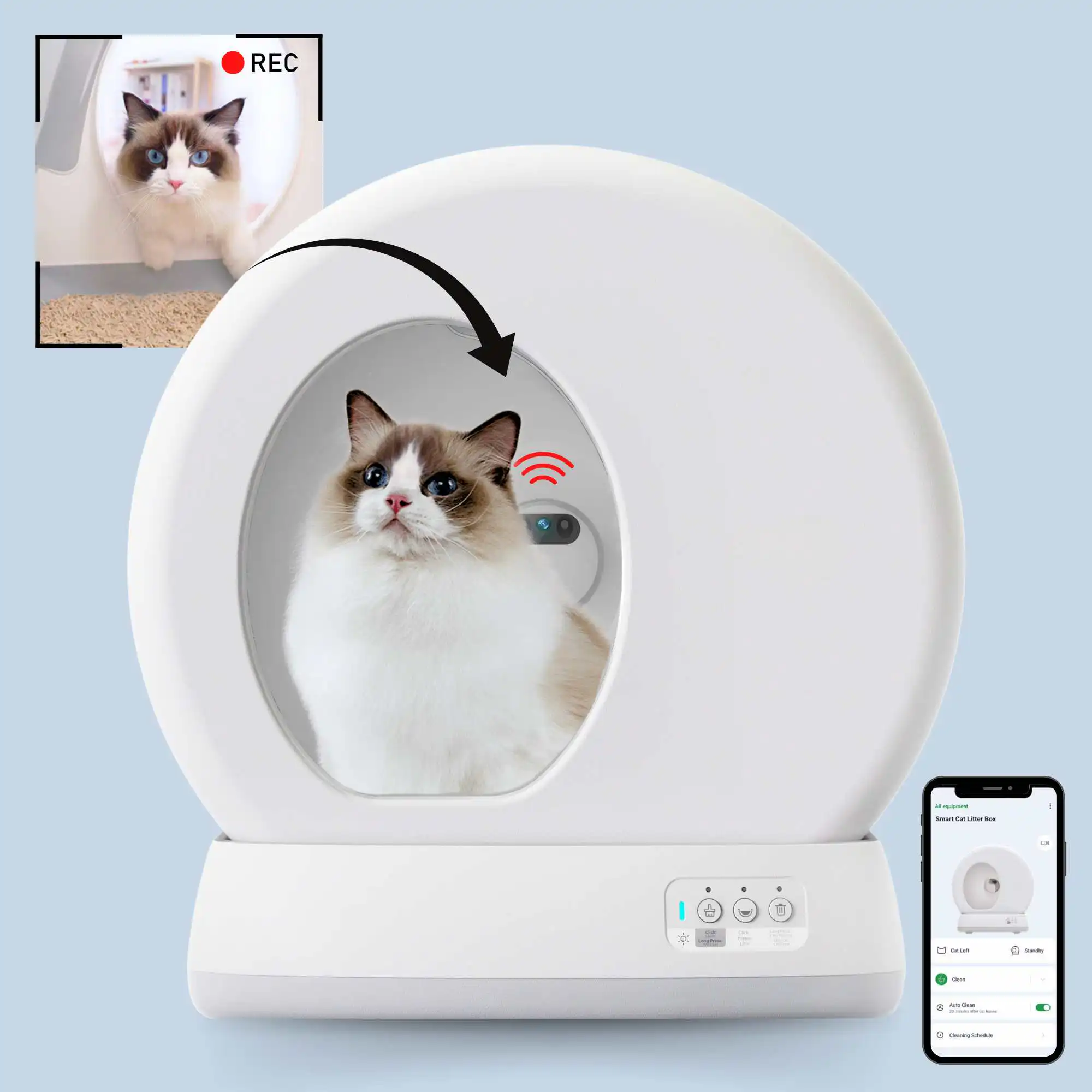
Q. Can litter box furniture hold a self-cleaning litter box?
Yes, if the cabinet is designed for automatic models with proper interior dimensions, rear cord access, and ventilation slots.
Q. How do I clean litter box furniture?
Scoop daily, wipe interior surfaces monthly with mild soap and water, and replace carbon filters every four to six weeks.