

Clumping vs Non-Clumping Cat Litter: What’s the Difference?
Choosing cat litter impacts your cat’s comfort and your maintenance routine. Two main types exist: clumping and non-clumping. Each handles moisture differently, affecting odor control and cleaning ease. Understanding these differences helps you make an informed choice.
What Is Clumping Cat Litter?
Clumping cat litter contains binders like bentonite clay or plant starches. When your cat urinates, the litter forms solid clumps around liquid waste. You scoop out both solid and liquid waste, leaving fresh litter behind. Modern formulas include clay, tofu, corn, and wood-based options.
How It Works and Benefits
Moisture activates the binding agent instantly. Wet particles stick together, forming cohesive masses that lift cleanly. Simple scooping makes daily maintenance quick while preserving clean litter. Odor control excels since clumps seal around waste.
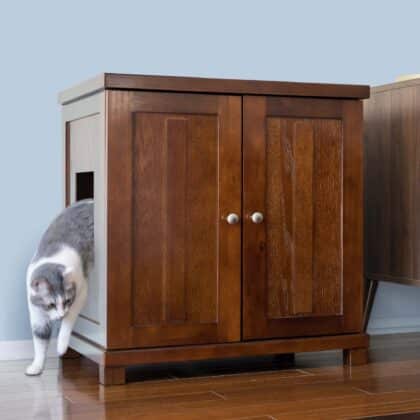
Most cats prefer the fine, sand-like texture. When paired with stylish litter box furniture, you maintain a fresh environment that your cat will consistently use.
Drawbacks to Consider
Price runs higher initially, though bags last longer since you remove only soiled portions. Clay types can be dusty when poured, bothering those with respiratory sensitivities. Kittens under 12 weeks face safety risks if ingested, as clumping litter can expand in the digestive tract.
What Is Non-Clumping Cat Litter?
Non-clumping cat litter absorbs moisture without forming solid masses. Materials include clay pellets, silica crystals, wood pellets, and recycled paper. Liquid waste disperses throughout. You scoop solids daily and stir to enhance absorption. Complete changes happen weekly to every ten days.
Benefits and Limitations
Budget-friendly pricing helps multi-cat households manage costs. Safety improves for kittens since it won’t form cement-like masses if ingested. Pine pellets work well with sifting boxes, where wet pellets dissolve and fall through. Crystal and paper litters produce minimal dust, benefiting cats with respiratory issues.
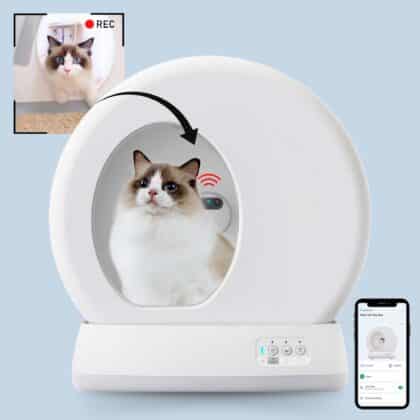
Soiled litter remains between changes, potentially developing ammonia odors. You cannot remove liquid waste by scooping. Tracking may increase with pellets and crystals. Using an enclosed litter box addresses these issues while enhancing your space.
Clumping vs Non-Clumping: Key Differences
| Feature | Clumping Litter | Non-Clumping Litter |
| Waste Removal | Scoop both solid and liquid | Scoop solid only |
| Odor Control | Sealed clumps trap odors | Odors disperse |
| Maintenance | Daily scooping, monthly change | Daily solids, weekly change |
| Texture | Fine, sand-like | Pellets or crystals |
| Cost per Bag | Higher initial | Lower initial |
| Safety for Kittens | Risk if ingested | Safer option |
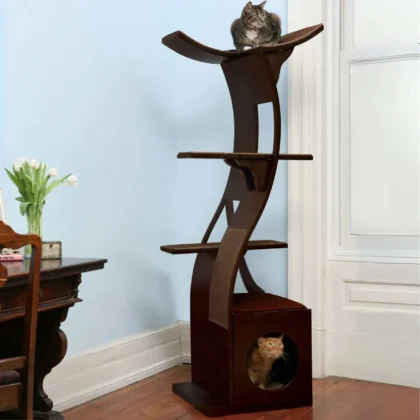
Clumping litter excels at odor control since clumps encapsulate urine. Non-clumping absorbs moisture but allows odors to disperse. Cats generally prefer fine-grained litters mimicking soil. Well-ventilated placement of your cat tower helps manage odors regardless of type.
Choosing the Right Litter for Your Cat
Your cat’s age and health guide your decision. Kittens under three months need non-clumping litter. Adult cats typically thrive with clumping varieties. Cats with respiratory conditions benefit from low-dust options like paper or natural plant-based litters. Multi-cat households need maximum odor control. Clumping litter paired with modern litter box cabinets keeps spaces fresh.
When to Choose Clumping Litter
Choose clumping when you want superior odor control, daily scooping fits your routine, your cats are adults, and you prefer monthly full changes.
When to Choose Non-Clumping Litter
Choose non-clumping for kittens under 12 weeks, budget constraints, pellet texture preferences, or respiratory sensitivities requiring dust-free options.
Making the Transition Work
Cats resist sudden changes. Mix new litter with old gradually over seven to ten days, starting with 75% old and 25% new. Keep the litter box enclosure in the same location. Familiar placement helps your cat accept new textures. Some cats need encouragement through treats. Patience prevents accidents outside the box.
Join The Club
Your cat’s litter box doesn’t have to compromise your home’s style. Modern solutions respect your aesthetic while meeting your cat’s needs. We’re here to support you in creating a home you and your cat both love. Ready to elevate your setup? Shop the Collection of elegant solutions for modern cat parents.
Frequently Asked Questions
Can I mix clumping and non-clumping litter together?
Mixing clumping and non-clumping litters reduces clumping effectiveness. Non-clumping material interferes with clump formation, making waste removal difficult. Each type works best when used separately in its own box.
How often should I completely replace clumping litter?
Complete litter changes should happen every three to four weeks with daily scooping. Add fresh litter weekly to maintain a proper depth of 2 to 3 inches. Your cat’s preferences and household size may require more frequent changes.
Why does my cat avoid using new litter?
Cats prefer familiar textures and scents. Sudden litter changes can cause avoidance. Gradual transitions over seven to ten days help cats adjust. Some cats have strong texture preferences and may reject certain types entirely.
Is clumping litter safe for all cats?
Adult cats handle clumping litter safely. Kittens under 12 weeks should use non-clumping varieties to prevent ingestion issues. Cats with pica or compulsive eating disorders may need non-clumping options regardless of age.
Which litter type produces less dust?
Crystal, paper, and wood pellet non-clumping litters produce minimal dust. Among clumping types, natural plant-based options create less dust than traditional clay. Premium clumping clay formulas often include dust-reducing additives.
How deep should litter be in the box?
Cats prefer litter depth between 2 and 3 inches. Sufficient depth allows proper digging and covering behaviors. Too shallow prevents adequate waste coverage, while too deep wastes litter and increases tracking.