

Cat Tracking: How to Keep an Eye on Your Cat
Every cat parent faces the same dilemma when leaving home: wondering if their feline companion is safe, healthy, and content in their absence. Whether you’re at work for eight hours or traveling for a week, the uncertainty about your cat’s well-being creates genuine stress. Today’s cat parents demand more than hoping for the best; they want real-time information about their cat’s location, behavior, and health status.
Understanding Cat Tracking Technology
Cat tracking technology monitors your feline’s activities remotely through connected devices that provide location data, behavioral insights, and health metrics. This approach combines traditional pet care with digital connectivity, creating a comprehensive view of your cat’s daily routine. Modern tracking solutions include GPS collars, indoor cameras, and smart home devices that work together to maintain your connection with your cat regardless of distance.
Consider these practical applications: A GPS tracker immediately alerts you when your indoor cat escapes through an open door, while smart cameras detect unusual behavior patterns that might indicate illness or stress. Activity monitors track sleep and play cycles, helping you understand your cat’s natural rhythms and identify concerning changes that warrant veterinary attention.
Indoor Monitoring: Cameras and Smart Home Integration for Cat Tracking
Indoor surveillance provides continuous visual access to your cat’s environment, offering both peace of mind and practical insights into their daily activities. Modern pet monitoring extends beyond basic recording to include interactive features designed specifically for feline behavior.
Essential Pet Camera Features
Effective pet cameras must include specific capabilities that address common cat monitoring needs:
- 360-degree rotation with automatic pet following
- Night vision for nocturnal activity monitoring
- Two-way audio for remote communication
- Motion detection with pet-specific algorithms
- Mobile app connectivity for real-time access
- Cloud storage for video history review
Interactive Monitoring Components
Smart cameras now integrate entertainment and care features that allow active engagement with your cat from any location:
- Remote treat dispensers for positive reinforcement
- App-controlled laser pointers for exercise and play
- Automated food and water monitoring
- Environmental sensors for temperature and air quality
- Emergency alert systems for unusual activity patterns
Smart Home Device Integration
Connected home systems create comprehensive monitoring networks by linking multiple devices for complete environmental oversight:
| Device Type | Primary Function | Key Benefits |
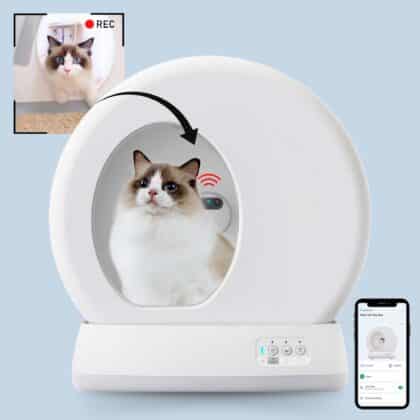
| Smart Litter Box | Health monitoring through elimination tracking | Early disease detection, automatic cleaning |
| Automated Feeder | Nutrition management and consumption tracking | Portion control, eating pattern analysis |
| Environmental Sensors | Temperature, humidity, air quality monitoring | Optimal comfort maintenance, hazard detection |
| Smart Collar | Activity and location tracking | Exercise monitoring, escape prevention |
Cat GPS Tracking Solutions for Location Security
GPS technology provides precise location data for cats who venture outdoors or might escape from indoor environments. These devices offer real-time tracking capabilities that significantly reduce the time and stress involved in locating missing pets.
GPS Tracker Capabilities
Modern GPS trackers deliver comprehensive location services with features specifically designed for feline behavior patterns:
- Real-time location updates every 30 seconds to 5 minutes
- Geofencing with customizable boundary alerts
- Activity monitoring, including steps, sleep, and play
- Battery life ranging from 2-7 days continuous use
- Waterproof construction for all-weather durability
- Lightweight design to prevent collar discomfort
Geofencing and Alert Systems
Virtual boundary technology creates invisible safe zones around your property, sending immediate notifications when your cat crosses predetermined limits. Escape alerts activate within minutes of boundary violations, providing location data that can prevent extended searches and reduce the risk of loss or injury.
Most GPS systems allow multiple geofence areas, enabling you to create safe zones around your home, neighborhood, or frequently visited locations. Battery conservation modes extend tracking duration during active searches while maintaining location accuracy.
Cat Tracking with Professional Pet Care Enhanced by Technology
Technology integration significantly improves professional pet care services by providing data-driven insights that human caregivers can act upon immediately. The combination of automated monitoring and human expertise creates optimal care conditions for your cat.
Pet Sitter Technology Integration
Professional pet sitters equipped with monitoring technology access provide enhanced care through:
- Real-time alert response for behavioral or health concerns
- Data interpretation for concerning activity patterns
- Emergency protocol activation based on device notifications
- Detailed care reports combining observational and technological data
- Veterinary communication using health monitoring information
Communication Protocols
Effective pet care requires structured communication systems that integrate technological data with human observation:
- Daily photo and video updates through monitoring apps
- Behavioral change reports based on activity tracking data
- Emergency contact procedures for immediate alert response
- Health monitoring summaries for veterinary consultation
- Technology troubleshooting support for device malfunctions
Implementation Strategy and Device Selection for Cat Tracking
Successful cat tracking requires strategic device selection based on your cat’s specific needs, living environment, and your monitoring priorities. Different cats require different approaches depending on their personality, health status, and lifestyle.
Cat-Specific Considerations
Choose monitoring solutions based on your cat’s individual characteristics:
Indoor Cats:
- Primary focus on behavioral monitoring cameras
- Health tracking through smart litter boxes
- Escape prevention with door sensors
- Activity monitoring for exercise adequacy
Outdoor Cats:
- GPS tracking as a primary safety measure
- Geofencing for boundary monitoring
- Activity tracking for health insights
- Camera monitoring for indoor time
Senior Cats:
- Health-focused monitoring priorities
- Gentle introduction to new devices
- Veterinary integration capabilities
- Comfort-optimized equipment selection
Technology Integration Timeline
Implement monitoring technology gradually to ensure cat acceptance and system effectiveness:
Week 1-2: Foundation Setup
- Install indoor cameras in primary living areas
- Configure mobile apps and notification settings
- Establish baseline activity patterns
Week 3-4: Device Introduction
- Introduce a GPS collar with short wearing periods
- Add smart feeding or litter monitoring
- Expand camera coverage as needed
Week 5-6: System Optimization
- Adjust alert sensitivity based on observed patterns
- Integrate professional pet care services
- Establish emergency response protocols
Cat Tracking: Security and Privacy Protection
Pet monitoring devices require robust security measures to protect both your privacy and home security. Connected devices can become entry points for unauthorized access if not properly secured.
Network Security Essentials
Implement comprehensive security protocols for all connected pet monitoring devices:
- Change default passwords to unique, complex credentials
- Enable WPA3 encryption on home wireless networks
- Update device firmware regularly for security patches
- Use separate guest networks for IoT device isolation
- Enable two-factor authentication on monitoring apps
- Review privacy policies for data collection practices
Data Management
Control your pet monitoring data through careful platform selection and privacy settings:
- Local storage options reduce cloud privacy risks
- Data retention policies determine information storage duration
- Sharing controls limit access to monitoring feeds
- Export capabilities ensure data portability
Key Takeaways
- Indoor cameras with pet-specific features provide behavioral monitoring, while interactive elements like treat dispensers and laser pointers enable remote engagement during your absence.
- GPS collars with geofencing immediately alert you to location changes while tracking daily activity patterns that can indicate health issues requiring veterinary attention.
- Smart litter boxes and automated feeders create detailed health profiles by monitoring elimination and eating patterns that veterinarians use for early disease detection.
- Professional pet sitters using monitoring technology provide optimal care by combining automated alerts with human expertise for immediate emergency response.
- Strategic device implementation over 4-6 weeks ensures cat acceptance while building comprehensive monitoring capabilities tailored to your cat’s specific needs and environment.
- Network security protocols, including strong passwords and regular updates, protect your privacy while maintaining reliable access to monitoring data during travel.
Frequently Asked Questions
Q. How accurate are GPS trackers for indoor cats who occasionally escape?
Ans. Modern GPS trackers achieve 3-5 feet accuracy under optimal conditions, making them highly effective for locating escaped indoor cats. Real value comes from immediate escape alerts that notify you within minutes of your cat leaving their safe zone, dramatically reducing search time. Most devices update location every 2-5 minutes during active tracking, with premium models offering 30-second updates during emergencies.
Q. Can pet cameras distinguish between normal cat behavior and emergency situations?
Ans. Advanced pet cameras use AI algorithms trained on feline behavior to differentiate between normal activities and concerning behaviors like excessive hiding or distress vocalizations. These systems learn your cat’s individual patterns over time, improving accuracy at identifying health-related behavioral changes. However, cameras supplement rather than replace veterinary assessment for internal health issues requiring medical expertise.
Q. What’s the battery life expectation for GPS tracking collars during extended travel?
Ans. Battery life ranges from 2-7 days, depending on tracking frequency and GPS signal strength, with most premium models offering 5-day continuous tracking under normal conditions. Power-saving modes extend battery life to 2-3 weeks by reducing update frequency, while some models feature replaceable battery packs that pet sitters can easily manage during your absence.
Q. How do smart litter boxes help with health monitoring, and what conditions can they detect?
Ans. Smart litter boxes track elimination frequency, duration, and waste volume to identify patterns indicating urinary tract infections, kidney disease, and diabetes before visible symptoms appear. Weight sensors detect gradual changes in elimination patterns that might indicate chronic conditions, while immediate alerts for unusual behavior help identify acute issues like urinary blockages requiring emergency treatment.
Q. What security measures should I implement when using internet-connected pet monitoring devices?
Ans. Start with strong, unique passwords and WPA3 encryption on your home network to protect data transmission. Regular firmware updates patch security vulnerabilities, while network isolation through guest networks limits potential breaches. Two-factor authentication protects monitoring app accounts, and local storage options provide alternatives for privacy-conscious users.
Q. How can I prepare my cat for monitoring devices to minimize stress and ensure acceptance?
Ans. Gradual introduction over 7-10 days prevents negative associations that might cause device resistance. Start with 15-30 minute wearing periods while providing positive reinforcement through treats and play, gradually increasing duration. Proper collar fitting ensures comfort without restricting movement, while monitoring stress signals like excessive grooming allows timeline adjustments for your cat’s well-being.