


Can Cats Find Their Way Home?
The door was open for just a second, and now your cat is gone. The house feels too quiet, and your heart is racing. You have probably heard stories about cats traveling miles to reunite with their families, and the good news is that many cats do have a remarkable ability to find their way back. Here is everything you need to know about your cat’s navigation skills and what to do if yours goes missing.
How Do Cats Find Their Way Home
Cats have a built-in “homing instinct” that combines several powerful senses to guide them back to familiar territory.
Scent Navigation
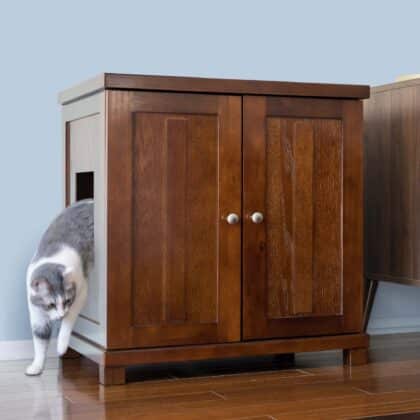
A cat’s sense of smell is roughly 14 times stronger than a human’s. When your cat rubs against furniture, doorways, and you, they are depositing scent markers that create an invisible map around your home. If a cat wanders off, these layered scent trails can guide them back. The familiar smell of your yard, your litter box enclosure, and even your worn clothing all act as olfactory beacons.
Mental Mapping and Memory
Cats build detailed mental maps of their territory over time. An outdoor cat who regularly patrols the neighborhood has a strong spatial memory of landmarks, routes, and safe spots. Indoor cats have smaller mental maps, which is why they tend to stay closer to home if they escape.
The Magnetic Compass Theory
Some researchers believe cats may detect the Earth’s magnetic field through tiny iron deposits in their inner ears. A 1954 study placed cats in a maze, and most chose the exit closest to the direction of their home. While more research is needed, a cat’s navigation ability likely goes beyond smell and memory alone.
How Far Can Cats Find Their Way Home
Most lost cats, especially indoor ones, are found within a 3 to 5-house radius of their home. Outdoor cats with well-developed mental maps may travel further, and rare documented cases show cats returning from distances of 50 miles or more. The key factor is familiarity. A cat that knows its neighborhood well has a much better chance of navigating back than one lost in unfamiliar territory.
Where Do Lost Cats Usually Hide
A lost cat’s first instinct is not to wander, but to hide. Fear overrides curiosity, and most cats will tuck themselves into a silent, concealed spot and wait.
Common Hiding Spots
Check under porches, inside garden sheds, beneath parked cars, in dense bushes, and inside open garages. Indoor cats who escape typically hide within a few houses of home, often staying completely silent even when their name is called. You need to physically search rather than just call for them.
Why Do Cats Run Away or Get Lost
Cats rarely leave home out of unhappiness. An unneutered male may roam looking for a mate. A curious cat might chase prey and lose track of familiar territory. Loud noises like fireworks or construction can trigger a panicked sprint. Sometimes a cat simply slips through an open door or window by accident. After a move, cats may try to return to their old home if let outside too soon, since their mental map still points to the previous address.
What to Do If Your Cat Is Lost (Step-by-Step Guide)
Acting quickly is essential. Here is a simple plan to follow.
Step 1: Search Close to Home
Go through every room in your house first, including closets, drawers, and appliances. Then search your yard, under decks, in sheds, and behind any dense plants. Use a flashlight even during the day to spot eyes reflecting in dark corners.
Step 2: Set Up Scent Markers
Place your cat’s used litter box outside near your door. Set out their favorite blanket and a worn piece of your clothing. Familiar scents can guide a lost cat back from surprising distances.
Step 3: Search During Quiet Hours
Early morning and late evening are the best times to look. Walk your neighborhood calling your cat’s name in a calm, gentle voice. Shake a treat bag and pause to listen after each call.
Step 4: Spread the Word
Post clear, color photos on neighborhood boards, local social media groups, and apps. Notify nearby veterinary clinics and shelters in person. Check back with them daily, as cats can arrive at shelters days or weeks after going missing.
How to Prevent Your Cat From Getting Lost
Prevention is the most reliable strategy for keeping your cat safe.
Microchipping
A microchip is a tiny device placed under your cat’s skin that links to your contact information. If your cat is found and scanned at any vet or shelter, you can be reunited quickly. Microchipping is affordable and takes seconds.
Safe Outdoor Enrichment
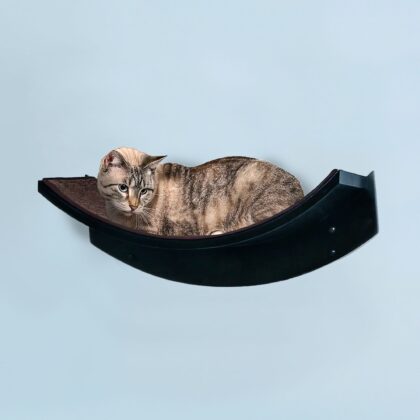
If your cat craves fresh air, a “catio” or leash training are far safer alternatives to free-roaming. Indoors, providing vertical spaces like a cat tower or wall-mounted shelves satisfies climbing and exploration instincts without the risks of the outdoors. A stimulating indoor environment with cat perches, cozy cat beds, and scratching posts makes your cat less likely to bolt for the door in the first place.
Shop the Collection
Your cat’s safety and happiness start with a home that feels like their own little kingdom. When the indoors is full of climbing spots, cozy hideaways, and spaces designed just for them, the pull of the outside world fades. Give your cat every reason to stay, and give yourself peace of mind. Browse our full collection of modern cat furniture and build a space your cat never wants to leave.
Frequently Asked Questions
Q. Can Cats Find Their Way Home?
Ans. Yes, many cats can find their way back home using scent trails, spatial memory, and possibly magnetic field detection. Outdoor cats with established territories have the strongest homing instincts.
Q. Do Lost Cats Usually Come Back?
Ans. Many do, especially with help from their owners. Actively searching, setting out scent markers like a used litter box, and alerting your community greatly improve the chances of reunion.
Q. Can Indoor Cats Find Their Way Home?
Ans. Indoor cats can find their way back, but they typically hide very close to home rather than navigate long distances. A thorough, quiet search of your immediate surroundings is the most effective approach.
Q. Can Cats Find Their Way Home After Moving?
Ans. After a move, cats may try to return to their old home instead of the new one. Keep your cat indoors for at least two to three weeks after relocating so they can build a new scent map and recognize the new house as home.