

Building Your Cat Obstacle Course (& DIY Cat Wall Playground Ideas to Try)
Your cat deserves more than just floor space. Indoor cats need mental stimulation and physical activity to stay healthy and happy, and a wall-mounted obstacle course gives them exactly that. Setting up vertical climbing systems might seem complicated, but with the right approach, you can create an enriching environment that both you and your cat will love.
We’ve helped countless cat parents design functional climbing walls that work beautifully in their homes. Here’s everything you need to know to get started.
Why Vertical Space Matters for Indoor Cats
Cats are hardwired to climb. In the wild, their ancestors scaled trees to hunt, escape danger, and survey their territory. Your indoor cat still has these same instincts, even if she spends her days lounging on your couch.
A 2015 study found that stress in cats can be effectively reduced by enriching the captive environment through the addition of hiding spots and vertical climbing structures.
When cats have access to elevated spaces, they feel safer, more confident, and less anxious. Vertical territory also solves space issues in multi-cat households by giving each cat its own zone.
Wall-mounted cat furniture maximizes your square footage by using walls instead of valuable floor space. A small apartment can support an elaborate climbing system without feeling cramped.
Step 1: Assess Your Cat’s Needs
Before buying anything, observe your cat. Different cats have different climbing styles and preferences, and understanding yours will help you design the right setup.
Watch How Your Cat Moves
Does your cat leap directly onto high surfaces, or does she prefer taking an indirect route using furniture as steps? Does she seek out sunny window spots or prefer shadowy corners? Pay attention to where she already spends time and what heights she naturally gravitates toward.
Kittens and young adults typically love challenging routes with bigger gaps between platforms. Senior cats or those with arthritis need closer spacing and gentler transitions. If your cat has mobility issues, plan for more intermediate steps rather than expecting large jumps.
Consider Your Space
Look around your home for walls where a climbing system makes sense. The best locations are near windows where your cat can watch outdoor activity, in sunny spots where she likes to nap, or along walls she already tries to climb.
Avoid areas near frequently opened doors, ceiling fans, or places where climbing furniture might create safety hazards. You want your cat to feel secure using her new playground, not anxious about household traffic passing underneath.
Step 2: Plan Your Layout
Good planning prevents installation mistakes and ensures your cat will actually use what you build.
Find Your Wall Studs
Wall studs provide the secure anchor points you need for safe installation. Use a stud finder to locate them and mark their positions with painter’s tape. Most cat wall shelves require attachment to at least two studs for proper weight support.
If you have concrete or brick walls, you’ll need masonry anchors instead. Concrete walls actually offer more flexibility since you can mount pieces anywhere rather than being limited to stud locations.
Map Your Route with Tape
Use painter’s tape to mock up your design on the wall. Start with an entry point near the floor and work upward, ensuring each jump falls within your cat’s comfortable range. Most adult cats can safely jump 12 to 18 inches between platforms, though individual abilities vary.
Create multiple pathways whenever possible. Cats appreciate having options, and multiple routes help prevent territorial conflicts if you have more than one cat. Include some dead-end perches where your cat can rest without worrying about another feline approaching from behind.
Step 3: Choose Your Components
A successful climbing wall combines different elements that serve various purposes. You need platforms for resting, vertical elements for climbing, and appropriate scratching surfaces.
Comfortable Perches
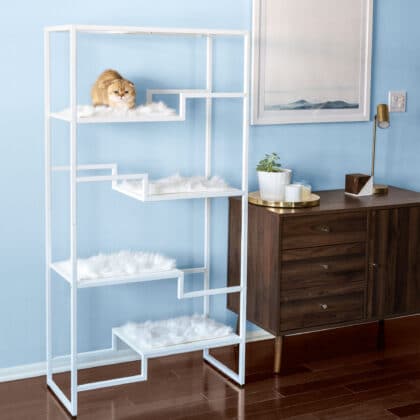
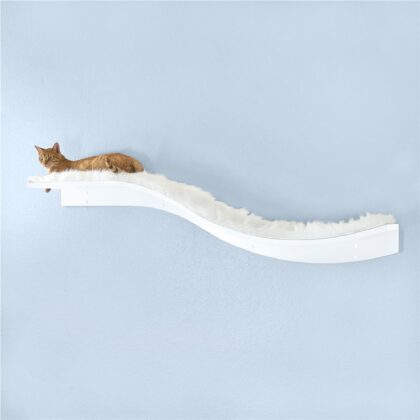
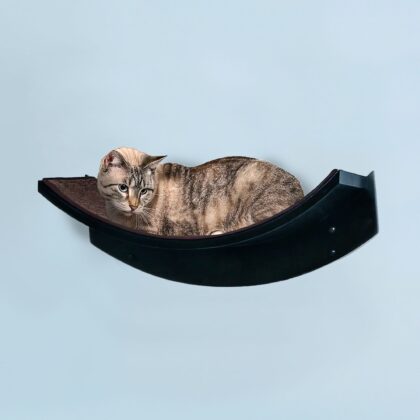
Cats spend significant time resting and observing, so comfortable lounging spots are essential. Curved shelves work particularly well because they cradle your cat’s body naturally. Position perches at varying heights to create multiple vantage points throughout the room.
Longer platforms allow your cat to stretch out fully or accommodate multiple cats at once. Mix shorter and longer pieces to keep the layout visually interesting while meeting your cat’s needs.
Vertical Climbing Options
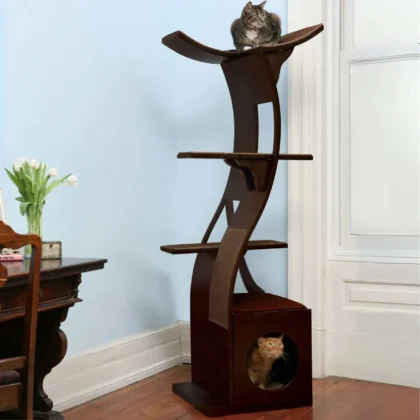
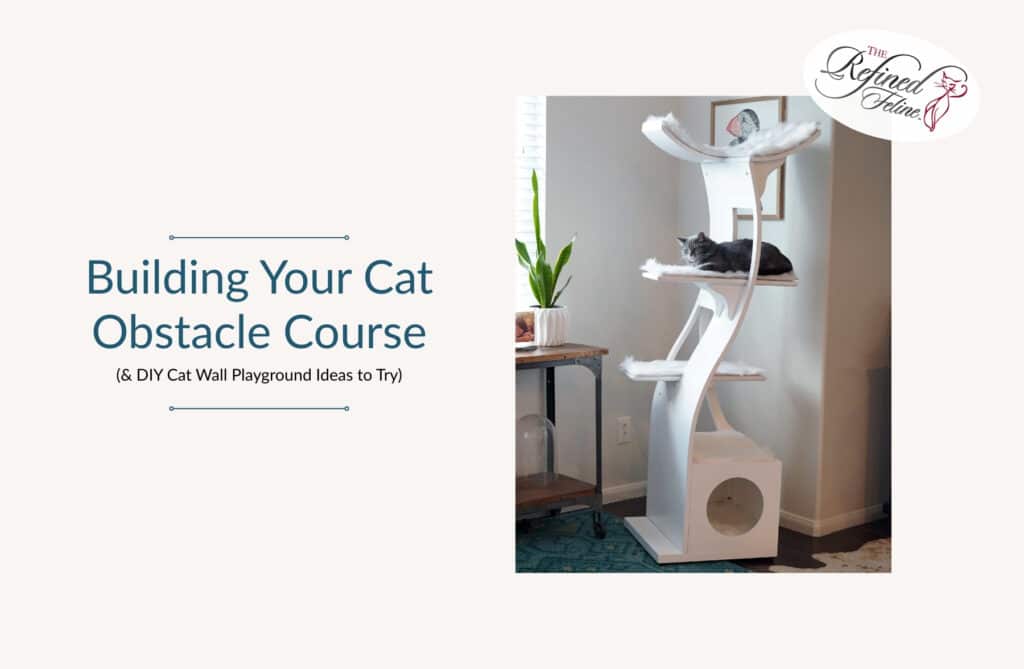
Floor-to-ceiling cat towers serve as excellent anchor points for wall-mounted systems. Standing 69 inches tall, a quality tower provides multiple levels for climbing, scratching, and hiding. The enclosed spaces at lower levels give shy cats a safe retreat when they need quiet time.
Combining a tall tower with wall-mounted pieces creates a comprehensive system that engages your cat’s natural climbing instincts while maximizing your available space.
Scratching Surfaces
Scratching maintains your cat’s claw health and allows her to mark territory. Including proper scratching surfaces in your climbing wall protects your furniture while giving your cat an appropriate outlet. Look for pieces with sisal or similar textured materials that satisfy her scratching urge.
Step 4: Install Securely
Safety comes first when installing any wall-mounted furniture. Follow manufacturer instructions carefully and double-check that everything is secure before letting your cat use it.
Start with your lowest piece and work upward. Installing from bottom to top makes the process easier and allows you to verify proper spacing as you go. Take your time with each mounting point to ensure solid attachment.
Stagger platforms in a zigzag pattern rather than a straight vertical line. Cats naturally move this way, and varied positioning makes the climbing more engaging. Include both upward and downward routes so your cat doesn’t get trapped at a high point.
Step 5: Introduce Your Cat Gradually
Some cats immediately embrace new furniture, while others need encouragement. Place treats or favorite toys on the lower platforms to spark interest. Use a feather wand or laser pointer to guide your cat onto the first level, then reward her for investigating.
Allow a few days for adjustment. Your cat might watch the new setup suspiciously at first before building confidence to explore. Patience during this introduction phase sets the stage for long-term enjoyment.
Maintenance and Upkeep
Regular maintenance keeps your climbing wall safe and appealing. Check mounting hardware monthly, especially in the first few months of use. Vacuum carpeted surfaces weekly to remove loose hair and debris. Spot-clean any stains promptly with pet-safe cleaners.
Replace worn scratching surfaces when they become too frayed. Many quality pieces feature removable components that make replacement straightforward and affordable. Rotating toys or adding new elements occasionally keeps your cat interested in her climbing wall.
Complete Your Cat’s Environment
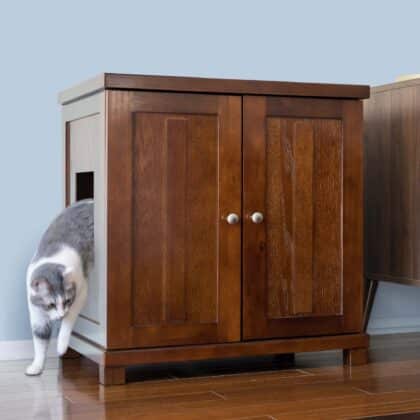
Vertical climbing systems are just one aspect of a well-designed cat environment. Proper litter box furniture keeps your home looking elegant while giving your cat privacy. Our Refined Litter Box Deluxe conceals standard or jumbo litter trays inside wood cabinetry that complements your existing décor.
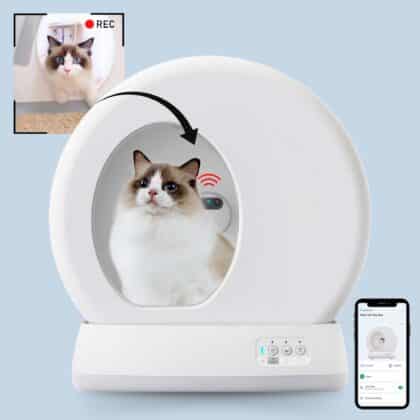
For cat parents who want the latest technology, the UBPET Pro Self-Cleaning Litter Box automates cleaning while tracking bathroom habits through a smartphone app. Pair it with our Refined Self-Cleaning Litter Box Cabinet for a complete solution that’s both functional and beautiful.
Shop Modern Cat Furniture
Your cat’s happiness starts with an environment that honors her natural instincts. Whether you’re adding your first wall shelf or expanding an existing system, we’re here to help you create something beautiful that works for both of you.
Shop our collection of modern cat furniture and start building the obstacle course your feline has been dreaming of. Every piece is crafted with your cat’s needs and your home’s beauty in mind.
Frequently Asked Questions
How high should I space cat shelves?
Space shelves 12 to 18 inches apart for most adult cats. Start with closer spacing if you’re unsure about your cat’s jumping ability, particularly for senior cats or those with mobility challenges. You can always add higher elements later once you see how confidently she navigates the initial setup.
Will my cat actually use wall-mounted furniture?
Most cats eagerly explore new climbing opportunities since seeking elevated spaces is instinctual. Some need a few days to build confidence. Use treats or favorite toys to encourage investigation, and place the first platform at an easily accessible height.
Can walls support heavy cat furniture safely?
Wall studs easily support significant weight when you use proper mounting hardware. Our wall-mounted furniture includes hardware designed to attach directly to studs. For concrete or brick walls, use masonry anchors for secure attachment.
Can I mix different wood finishes?
Absolutely. Many cat parents mix wood tones to create a custom look that matches their existing furniture. Focus on creating proper spacing and flow between pieces rather than matching every finish perfectly. Your cat won’t mind the variety.
How do I clean wall-mounted cat furniture?
Vacuum carpeted surfaces regularly to remove loose hair and dirt. Spot-clean stains with a damp cloth and mild, pet-safe cleaner. Many products feature removable cushions or carpet pieces that come off for thorough cleaning or replacement when worn.
How much wall space do I need?
Wall-mounted furniture works in any size space. Even a 4 to 6-foot-wide wall can accommodate several platforms arranged vertically. Consider your available wall space and your cat’s activity level when planning. Small apartments can support modest systems, while dedicated rooms can become elaborate climbing playgrounds.