

The Best Litter Box for Kittens: 5 Things to Look For
Bringing a kitten home is one of the most exciting moments as a cat parent. Between the tiny toe beans and the first wobbly exploration of your living room, there is so much to love. But before the fun begins, one decision deserves your full attention: picking the best litter box for kittens.
A good litter box sets the foundation for healthy habits your kitten will carry into adulthood. The wrong one can lead to accidents, stress, and frustration for both of you. Here is what to look for so you and your new kitten start off on the right paw.
Why Choosing the Right Litter Box for Kittens Matters
A kitten’s first litter box shapes how confidently they learn bathroom routines. Kittens are small, curious, and still building coordination. A box that is too tall, too enclosed, or too difficult to access can discourage your kitten from using it altogether.
Veterinarians generally recommend that a litter box be at least 1.5 times the length of your cat. For young kittens, a box with low sides and an open design works best during the early weeks. As your kitten grows, you can transition to a larger or enclosed option.
The key is choosing a litter box your kitten can grow into over time, rather than replacing boxes every few weeks.
5 Things to Look for in a Kitten Litter Box
Every kitten has slightly different needs, but these five features apply across the board. Keep them in mind as you shop.
Size and Entry Height
Your kitten should be able to step in and out without climbing or jumping. Look for a box that measures at least 15 inches by 9 inches, with sides low enough for a small kitten to enter comfortably. A 2 to 3 inch entry height is ideal for kittens under 12 weeks.
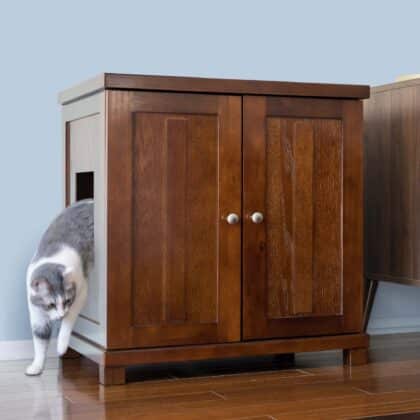
As your cat grows, you can move to a larger option. Furniture-style litter box enclosures offer generous interior space while keeping the litter box hidden from view, making them a smart long-term investment.
Safety Features
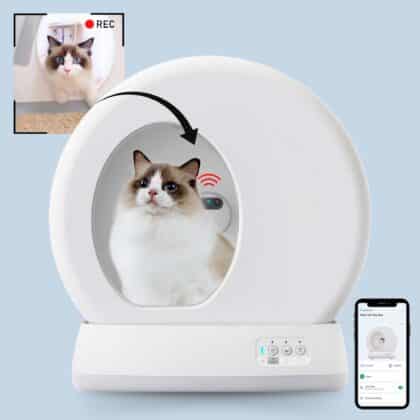
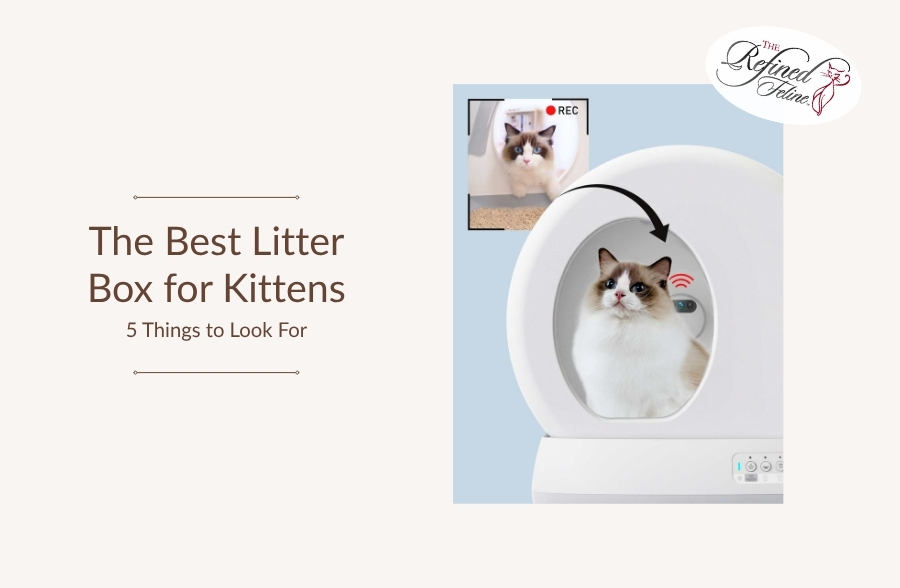
Kitten safety should always come first. If you are considering an automatic litter box, make sure it includes weight sensors or motion detection that prevents the cleaning cycle from starting while a small cat is inside.
Kittens under 3 pounds may not trigger the sensor in some automatic models. In those cases, running the self-cleaning litter box in manual or semi-automatic mode keeps your kitten safe while still offering you convenience.
Material and Durability
A litter box should be built from non-porous, BPA-free materials that resist odor absorption and scratches. Cheap plastics can develop grooves over time that trap bacteria and smells, making the box unpleasant for your kitten.
For cat parents who want something that lasts, a wooden litter box cabinet made with moisture-resistant oak veneer is a durable alternative to plastic. You also get the benefit of a piece that doubles as real furniture in your home.
Convenience and Cleaning
Kittens need a clean litter box to stay healthy and feel comfortable returning to it. A box that is difficult to scoop or maintain can lead to odor buildup and litter box avoidance.
Self-cleaning models save significant time, especially in multi-cat households. Pairing an automatic litter box with an enclosed litter box cabinet also helps contain scatter and odor in one tidy space.
Kitten-Safe Litter Compatibility
Not every litter box works with every type of litter. Some automatic models require clumping clay, while others accept a wider range of options.
For very young kittens, veterinarians often recommend non-clumping litter because kittens may nibble on litter out of curiosity. Clumping litter can cause intestinal blockages if ingested in large amounts. Once your kitten is past the exploratory stage, you can switch to a clumping formula for easier daily maintenance.
Unscented, low-dust litter is the safest choice for kittens, as their developing respiratory systems are more sensitive to dust and fragrance.
Kitten Litter Box Training Tips
Even with the perfect box, a little patience goes a long way during training. Here are a few tips to help your kitten build strong litter habits.
Introduce the Box Immediately
Place your kitten in the litter box as soon as you bring them home. Let them sniff, dig, and explore. Keeping the box in the same spot builds familiarity and routine.
Choose a Quiet Location
Cats prefer privacy when using the litter box. A quiet, low-traffic area away from food and water bowls makes the box more inviting. For helpful placement ideas, check out our guide on where to put a litter box.
Use Positive Reinforcement
When your kitten uses the box successfully, reward them with a gentle pet or a small treat. Positive associations encourage repeat behavior. Never punish your kitten for accidents, as this can create fear and anxiety around the litter box.
Keep It Clean
Scoop the litter box at least once a day. A dirty box is one of the most common reasons kittens avoid using it. For tips on managing litter box odor, regular cleaning is the simplest and most effective strategy.
Kitten Litter Box Size Guide
Here is a quick reference for matching litter box size to your kitten’s age.
| Kitten Age | Recommended Box Size | Box Type |
| 4 to 8 weeks | Small to medium (12 x 9 to 16 x 12 inches) | Low-sided, open |
| 8 to 12 weeks | Medium (16 x 12 inches) | Low-sided, open |
| 3 to 6 months | Medium to large (18 x 14 inches) | High-sided, covered, or self-cleaning |
| 6 months to 1 year | Large (20 x 16 inches or larger) | Covered, enclosed furniture, or self-cleaning |
Once your kitten reaches 6 months and weighs at least 3 pounds, a smart self-cleaning litter box with app monitoring can track their bathroom habits and weight over time, giving you valuable health data right on your phone.
Join the Club
Your kitten’s comfort starts with the little things, and a well-chosen litter box is one of the most impactful decisions you will make in those early weeks. If you are ready to set your home up for success, explore our full collection of modern litter box furniture designed to keep your space looking beautiful while giving your cat a clean, private place of their own. Your kitten deserves a great start, and so do you.
Frequently Asked Questions
Q. Do I need a special litter box for kittens?
Not necessarily. A standard litter box with low sides works well for kittens. The most important factor is easy access, so your kitten can step in and out without difficulty.
Q. How often should I clean my kitten’s litter box?
Scoop the litter box at least once per day. Do a full cleaning with warm water and mild soap once a week to prevent odor and bacteria buildup.
Q. Can kittens use self-cleaning litter boxes?
Kittens can use self-cleaning litter boxes once they weigh enough to trigger the weight sensor, usually around 3 pounds. Before that, run the unit in manual or semi-automatic mode under supervision.
Q. What type of litter is safest for kittens?
Unscented, low-dust, non-clumping litter is the safest choice for very young kittens. Once your kitten is fully litter trained and past the nibbling stage, you can transition to clumping clay litter for easier scooping.
Q. How many litter boxes does a kitten need?
The standard recommendation is one litter box per cat, plus one extra. For a single kitten, two litter boxes placed in different locations give them reliable access at all times.
Q. Why is my kitten not using the litter box?
Common reasons include a box that is too tall, litter that feels uncomfortable, a dirty box, or a location that is too noisy. Check each of these factors and make adjustments. If the issue persists, consult your veterinarian to rule out any health concerns.