

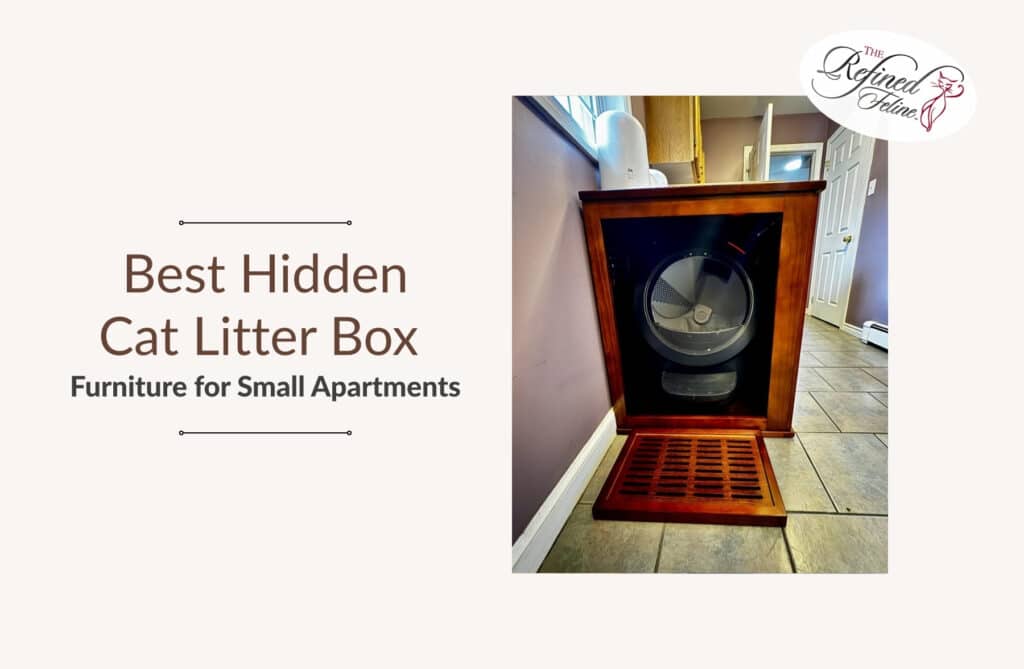
Best Hidden Cat Litter Box Furniture for Small Apartments
Living in a small apartment with a cat means every square foot counts. The cat litter box often becomes the elephant in the room, or rather, the plastic bin that clashes with your carefully curated décor. Hidden litter box furniture solves both problems at once, tucking away the mess while adding a functional piece to your home.
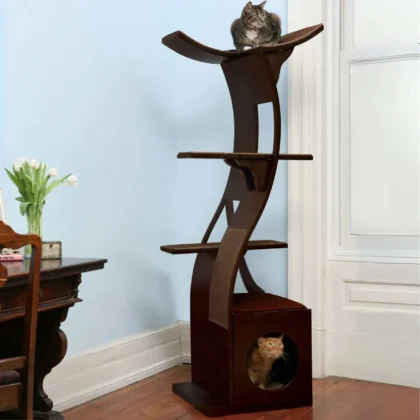
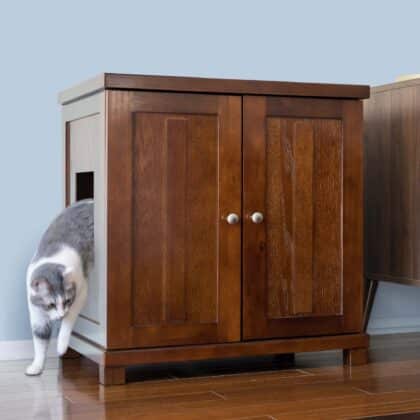
Litter box enclosures have evolved from basic boxes to beautifully designed furniture that doubles as side tables, planters, or storage cabinets. For apartment dwellers, the right piece reclaims floor space while keeping your home polished. Cat condos and towers offer vertical solutions, but for litter management, hidden furniture becomes both functional storage and stylish décor.
Why Hidden Litter Box Furniture Works in Small Spaces
Small apartments demand smart, multi-purpose solutions. Hidden litter box furniture checks three boxes:
- It conceals the litter pan,
- reduces visual clutter, and
- often provides extra storage or surface space.
Traditional open litter boxes take up floor space and rarely look intentional. Enclosures blend seamlessly with existing furniture. Many modern designs look like end tables, benches, or planters, so guests won’t realize what they are.
Check – Modern Cat Trees, Towers & Condos
What to Look for in Hidden Litter Box Furniture
Not all enclosures are apartment-friendly.
Here are the key features that make a difference:
Size and Footprint
Measure your available floor space before shopping. Look for compact designs that fit standard litter pans (typically 17-20 inches). Vertical pieces or corner units maximize unused space.
Ventilation
Enclosed furniture needs airflow to prevent odor buildup. Look for slatted doors, screened openings, or built-in vents. Poor ventilation can make the box unpleasant for your cat and discourage use.
Access and Cleaning
Wide doors or removable tops make daily scooping easier. Side or top entry points give your cat options, and magnetic or easy-open closures save you time during cleanups.
Materials
Wood or composite materials hold up better than flimsy plastic. Painted or sealed finishes resist moisture and odor absorption. Avoid porous surfaces that trap smells.
Storage Options
Built-in compartments for litter bags, scoops, and waste bags keep supplies organized and out of sight. Extra storage is a luxury in small apartments. Some modern cat furniture pieces combine storage with a sleek design that elevates your space.
Best Features for Odor Control
Odor management matters in small apartments where rooms share air.
Look for enclosures with these built-in features:
- Activated carbon filters are installed in vents or doors.
- Tight-sealing doors that limit airflow when closed.
- Removable trays or liners that simplify deep cleaning.
- Slatted or screened panels that allow ventilation without releasing odor.
Pair your enclosure with quality clumping litter and consistent scooping.
Placement Tips for Small Apartments
Where you put the enclosure matters as much as which one you choose. Cats need easy 24/7 access to their litter box, so avoid rooms with closed doors or high-traffic pathways.
Good Placement Options
- Bathroom corners, if you leave the door open or install a cat door
- Bedroom nooks or alcoves
- The hallway ends with good airflow
- Under console tables or desks with open backs
- Laundry rooms or utility closets with ventilation
Avoid tight closets, windowless rooms, or spots near your cat’s food and water. Cats prefer privacy and separation between eating and eliminating areas.
How to Introduce Your Cat to Enclosed Furniture
Some cats adapt instantly to enclosed litter boxes, while others need encouragement. Place the new enclosure next to the old box for a few days, then move the old litter into the new enclosure. Leave doors open initially so your cat can explore, then close doors partially, then fully, over several days. Older or anxious cats may take longer to adjust.
Maintaining Your Hidden Litter Box Furniture
Regular cleaning keeps furniture functional and odor-free. Scoop daily, wipe down interior surfaces weekly with pet-safe cleaner, and replace carbon filters monthly if your enclosure includes them. Deep clean the entire unit every 4-6 weeks and check hinges, doors, and latches for wear. Well-maintained furniture lasts for years and looks like intentional décor.
Conclusion
Hidden litter box furniture transforms a practical necessity into a design asset. For small apartments, the right piece solves space constraints while keeping your home looking cohesive and intentional. Browse modern cat furniture that combines function and style. Choose an enclosure that fits your available space, provides proper ventilation, and makes daily cleaning manageable. Your cat gets privacy, and you get a tidier, more design-conscious home
FAQs
How do I prevent litter tracking with hidden furniture?
Use a litter mat inside or outside the enclosure entrance. Textured mats catch litter stuck to paws before it spreads. Some enclosures include built-in mats or ledges.
Will enclosed furniture make my apartment smell worse?
Not if you choose a well-ventilated design and maintain regular cleaning. Enclosures with screened panels, carbon filters, or slatted doors help contain odor better than open boxes.
What size litter box fits inside hidden furniture?
Most enclosures fit standard litter pans measuring 17-20 inches long. Always check interior dimensions before purchasing to ensure your cat has enough space to turn around comfortably.
Can multiple cats share one hidden litter box?
Cats need one litter box per cat, plus one extra. For multiple cats, consider a larger enclosure that fits two pans, or choose two compact pieces that serve different areas.