

Best Cat Litter for Odor Control: Top Picks to Keep Your Home Smelling Fresh
You love your cat. The couch snuggles, the feather wand battles, the ridiculous napping positions. What you probably don’t love? That unmistakable litter box smell is drifting through your home. If you’ve been searching for the best cat litter for odor control, a fresher home is absolutely within reach.
What Makes Cat Litter Effective at Controlling Odor?
Not all litters are created equal when it comes to fighting smell. The best cat litter for odor control neutralizes bacteria in cat urine and feces rather than simply masking scent with fragrance.
Odor-Fighting Ingredients to Look For
Activated charcoal absorbs ammonia and odor-causing compounds at a molecular level. Baking soda neutralizes uric acid and slows the chemical reaction that produces ammonia gas. Probiotics and enzymes break down bacteria directly, stopping the smell before it starts.
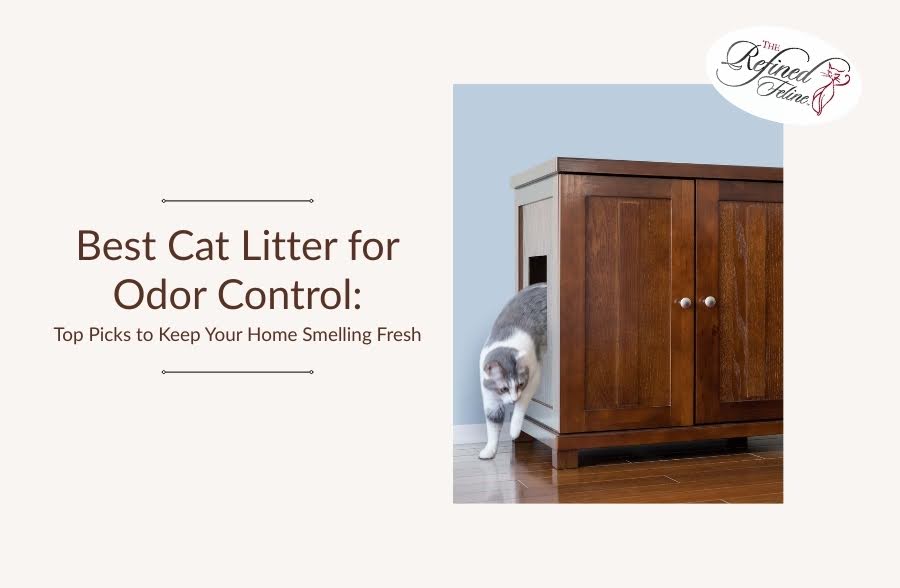
A quality litter box enclosure with ventilation slots and carbon filter compatibility works alongside your litter choice to further contain odors.
Clumping vs. Non-Clumping for Odor Control
Clumping litter is generally the better pick. Tight clumps seal in moisture, reducing the surface area exposed to air and resulting in less smell. Clumping also makes daily scooping faster and more thorough.
Non-clumping options like pine pellets or silica gel crystals can work well, but require more frequent full replacements.
Best Types of Cat Litter for Odor Control
Choosing the right litter depends on your cat’s preferences, your budget, and your household size. Here is a breakdown of the most popular options.
Clumping Clay Litter
Clay litter made from bentonite is the most widely used and often the most effective at trapping odors. Brands with added activated charcoal or baking soda perform especially well. Most cats naturally take to its fine, sandy texture, though clay is heavy and not biodegradable.
Natural and Plant-Based Litter
Litters made from corn, walnut shells, wheat, or soybean fiber offer an eco-friendly alternative. Many clump well and provide solid odor control, especially with charcoal additives. Natural litters are often lighter and produce less dust than clay.
Pine and Silica Gel Litter
Pine litter uses natural wood properties to combat smell, often boosted with baking soda. Pine pellets produce very low dust and minimal tracking, though the rough texture may not suit every cat. Silica gel absorbs large amounts of moisture and can last weeks, but odor control fades as crystals saturate.
How to Keep Your Litter Box Smelling Fresh
Even the best cat litter for odor control needs the right routine behind it. A few simple habits make all the difference.
Scoop Daily, No Exceptions
Scooping at least once a day is the most effective way to prevent odor buildup. Cat urine releases more ammonia the longer it sits, so prompt removal keeps your home fresher. For more detailed advice, check out this guide on keeping your litter box smelling clean.
Use the Right Amount of Litter
Most veterinarians recommend 3 to 4 inches of litter in the box. A shallow fill allows urine to pool at the bottom, creating stubborn odors. Too much litter leads to waste and extra tracking. Getting the right litter depth for your setup is a small change that pays off daily.
Replace Litter and Deep Clean Monthly
A complete litter change every 2 to 4 weeks keeps bacteria from building up. Wash the pan with mild, unscented dish soap during each change. Our complete guide on choosing the right litter type can help you find the best match for your household.
Upgrade Your Litter Box Setup
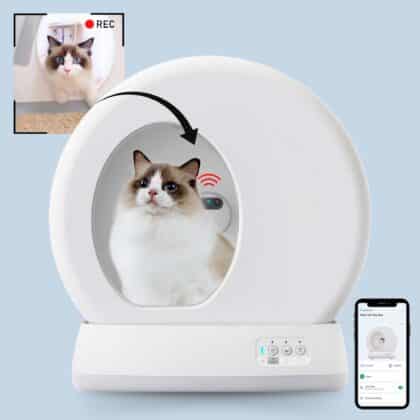
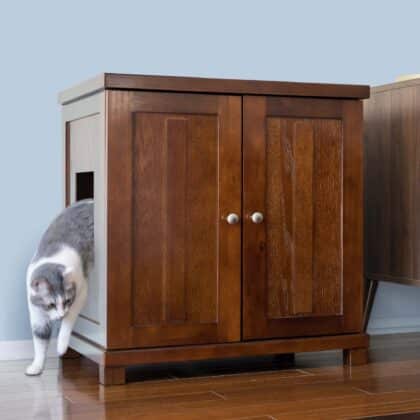
Where and how you house your litter box matters just as much as the litter inside it. A hidden litter box cabinet with ventilation and odor filter compatibility contains smells while blending into your home. Pairing your setup with an automatic self-cleaning litter box takes things further by removing waste after every use, so odors never build up.
Scented vs. Unscented: What Your Cat Prefers
Strong artificial fragrances can be overwhelming for your cat’s sensitive nose. Many cats avoid heavily scented litter, which creates a much bigger problem: litter box avoidance. Opt for unscented litter with natural deodorizers like charcoal or baking soda instead.
Odor Control for Multi-Cat Households
Managing odor gets tougher when multiple cats share boxes. The general rule is one box per cat, plus one extra. Placing boxes in separate, well-ventilated locations around your home prevents odor from concentrating in one spot.
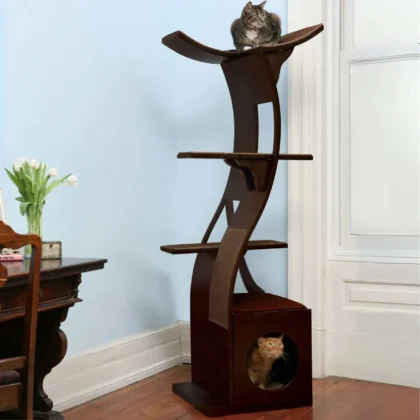
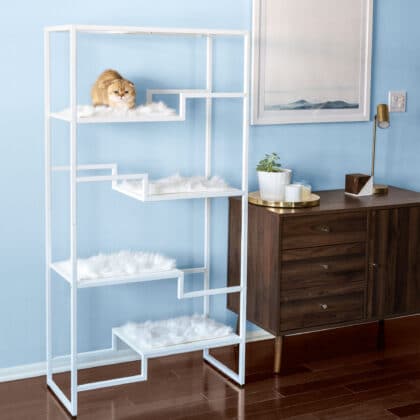
Scooping twice daily in multi-cat homes helps stay ahead of smell. For families looking to simplify, an enclosed litter box paired with a modern cat tower nearby creates a dedicated cat zone that keeps things tidy.
Shop the Collection
Your cat deserves a clean, comfortable space, and you deserve a home that smells as good as it looks. Whether you start with better litter, a smarter scooping routine, or a furniture-grade litter box cabinet that hides the mess, every small step brings you closer to a fresher home. Browse the full range of litter solutions and cat furniture designed for real life with cats.
Frequently Asked Questions
Q. What type of cat litter is best for odor control?
Clumping clay litter with activated charcoal or baking soda is widely considered the most effective. Natural options like tofu-based and walnut shell litters also perform well when they include deodorizing agents.
Q. How often should I change the entire litter box?
A full litter change every 2 to 4 weeks is recommended. Daily scooping extends litter life, and washing the box with mild soap during each change prevents bacteria buildup.
Q. Is scented cat litter better for odor control?
Not necessarily. Scented litters mask odors rather than eliminate them, and strong fragrances can deter cats from using the box. Unscented litters with natural deodorizers are a safer, more effective choice.
Q. Can baking soda help with litter box odor?
Yes. A thin layer at the bottom of the box or mixed into the litter neutralizes ammonia and absorbs odor-causing compounds. Baking soda is non-toxic and safe for daily use.
Q. How many litter boxes should I have for multiple cats?
One box per cat, plus one extra. Placing them in different areas reduces competition and manages odor across multiple zones.
Q. Do enclosed litter boxes help with odor?
Yes, especially when paired with ventilation slots and activated charcoal filters. Regular scooping and litter changes remain essential for any enclosed setup.