

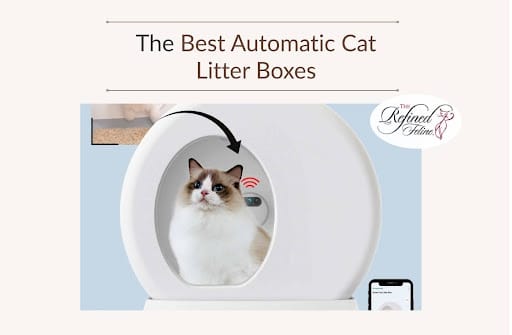
The Best Automatic Cat Litter Boxes
TLDR: Key Takeaways
- The best automatic litter box combines reliable self-cleaning mechanisms with an appropriate size for your cat’s comfort and natural behavior.
- Look for quiet operation, flexible cycle timing, and compatibility with standard clumping litters to control long-term costs.
- Waste drawer capacity, app connectivity for health monitoring, and robust safety features separate excellent systems from adequate ones.
- Always introduce a self-cleaning litter system gradually alongside your cat’s current box to prevent aversion and accidents.
- Housing your kitty litter automatic system inside beautiful litter box furniture solves aesthetic concerns while maintaining easy access for maintenance.
Your home shouldn’t smell like a litter box. And your beautiful, carefully designed living space shouldn’t announce to every visitor that you have a cat. Yet most self-cleaning litter solutions look like appliances from a medical facility, not pieces that belong in a modern home.
You love your cat. You also love your interiors. Finding a kitty litter automatic system that honors both isn’t vain. It’s necessary. Because when your cat’s essentials clash with your aesthetic, something always loses, usually your peace of mind.
This guide will show you how to choose the best automatic litter box that works for your cat’s biology, your daily routine, and your home’s design language. We’ll talk about what makes these systems worth considering, how to pick one that actually fits your life, and how to integrate it into your space without compromise.
What Makes the Best Automatic Litter Box Worth Considering?
Understanding How Self-Cleaning Systems Actually Work
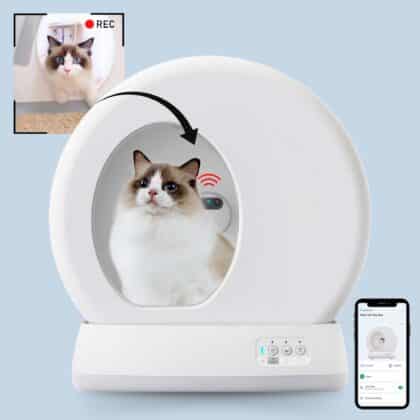
A self-cleaning litter box removes waste automatically after your cat uses it. Most systems use sensors to detect when your cat exits, then wait several minutes before beginning a cleaning cycle. The mechanism varies: some rake waste into a sealed compartment, others rotate the entire globe to sift clean litter from clumps, and some use conveyor-style systems.
The appeal is obvious. You’re not scooping multiple times daily. The box stays cleaner between maintenance sessions. Your home smells better. But understanding the mechanism matters because different cats respond differently to sounds, movements, and spaces.
Why Design-Conscious Cat Parents Choose Automatic Solutions
You already know that standard litter boxes are visual disruptions. A kitty litter automatic system doesn’t solve that entirely, but it does reduce the frequency of human interaction with the box, which means less tracking, less odor, and less visible maintenance.
More importantly, the best automatic litter box options on the market now come in colors and finishes that don’t scream “pet appliance.” While they’re not invisible, some blend far better than traditional boxes. And when you pair an automatic system with thoughtful litter box furniture from The Refined Feline, you create a completely concealed, design-forward solution that works silently in the background.
The Real Benefits Beyond Convenience
Automatic boxes offer more than saved time. They provide consistency. Cats are fastidious. A box that cleans itself after every use appeals to their instinct for clean elimination spaces. This can reduce accidents outside the box and increase usage reliability, especially in multi-cat homes.
For you, it means fewer odor complaints from guests, less daily mental load, and a cleaner baseline in your home. That’s not laziness. That’s designing your environment to support both feline wellbeing and human comfort.
How Do You Choose the Best Automatic Litter Box for Your Home?
Matching Box Size to Your Cat’s Needs
Size matters more than marketing suggests. The best automatic litter box should offer enough interior space for your cat to turn around comfortably, dig, and position themselves naturally. Many automatic boxes are smaller than traditional ones because of their mechanisms.
Measure your cat. A box interior should be at least 1.5 times your cat’s length from nose to base of tail. Larger cats, senior cats, and cats with mobility issues need even more room. Cramped spaces create aversion. Aversion creates accidents.
Evaluating Noise Levels and Cycle Timing
Some self-cleaning litter systems are whisper-quiet. Others sound like a small appliance starting up. If your cat is skittish or you live in a small apartment, noise becomes critical. Read reviews specifically mentioning sound.
Cycle timing also varies. Most boxes wait 5–15 minutes after your cat exits before cleaning. This delay prevents startling your cat mid-use. But some systems let you adjust timing or trigger cycles manually. Flexibility helps during the adjustment period.
Considering Litter Type and Long-Term Costs
Not all automatic boxes accept all litter types. Many require clumping clay. Some work only with proprietary crystals or specific brands. This affects ongoing costs significantly. A kitty litter automatic system that demands expensive, brand-specific litter can cost more annually than traditional boxes, even with saved time.
Check compatibility before buying. Calculate monthly litter expenses. Compare that to your current setup. Sometimes the premium is worth it. Sometimes it’s prohibitive.
Integrating Automatic Boxes with Modern Furniture
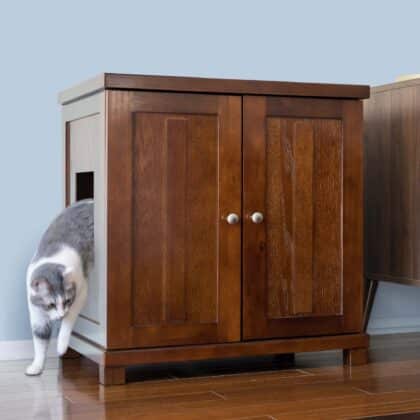
The smartest move you can make is housing your best automatic litter box inside beautiful, functional furniture. The Refined Feline offers litter box cabinets designed specifically to accommodate modern automatic systems while hiding them completely from view.
These aren’t flimsy particle board boxes with a cat-shaped cutout. They’re real furniture crafted from solid wood, finished in espresso, white, or natural tones, with ventilation systems that control odor and easy-access doors for maintenance. Your guests see a credenza. Your cat sees a private, secure bathroom.
This combination solves the aesthetic problem entirely. The automatic box handles hygiene. The cabinet handles design.
What Are the Most Important Features in a Self-Cleaning Litter System?
Waste Drawer Capacity and Disposal Design
A self-cleaning litter box is only as good as its waste management. Small waste drawers mean frequent emptying, which defeats much of the purpose. Look for systems with large, sealed waste compartments that hold at least a week’s worth of waste for one cat.
Disposal design matters too. Some use standard trash bags. Others require proprietary receptacles or liners. The easier the disposal process, the more likely you’ll maintain the system properly. Complicated maintenance creates neglect.
App Connectivity and Health Monitoring
Many modern best automatic litter box options now include app connectivity. This isn’t gimmicky. It’s genuinely useful. Apps can track usage frequency, notify you when waste drawers are full, and alert you to potential health issues based on elimination patterns.
Multiple cats? Apps can differentiate between them (via weight sensors or microchip readers) and track individual patterns. This level of insight helps catch urinary issues, constipation, or other problems early, when treatment is simpler and more effective.
Safety Features and Backup Systems
What happens if the sensor fails while your cat is inside? The best automatic litter box models include multiple safety mechanisms: weight sensors that prevent cycles if anything is detected inside, manual override buttons, and backup power options for homes with frequent outages.
These features aren’t obvious until you need them. But they’re the difference between a reliable system and a potential disaster.
Creating a Complete Modern Cat Environment
A kitty litter automatic system works best as part of a thoughtfully designed cat environment. Consider pairing your litter solution with vertical territory that gives your cat choices and security.
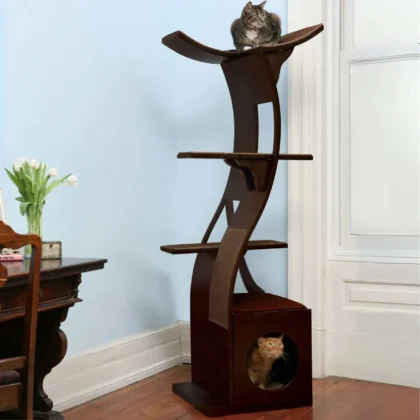
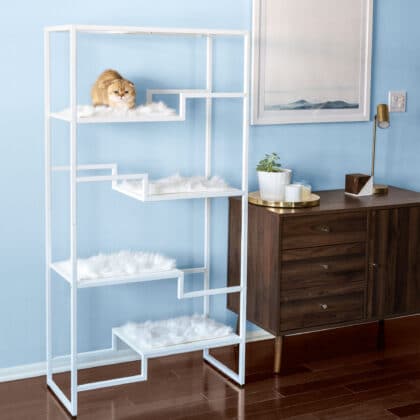
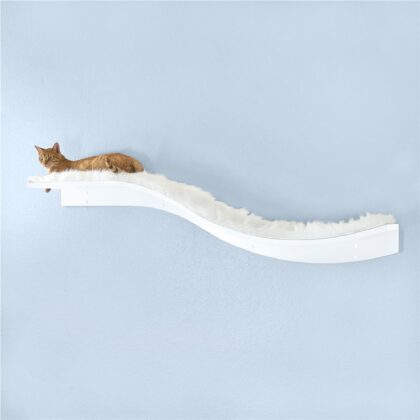
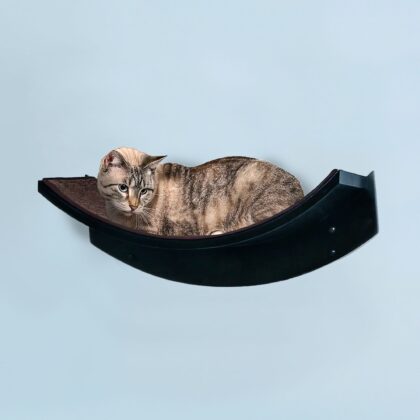
The Refined Feline’s modern cat trees and cat wall shelves create elevated spaces where cats can observe, rest, and play without sacrificing your floor space or aesthetic. These pieces use real wood, replaceable cushions, and minimal silhouettes that look intentional in modern homes.
When your cat has enriching spaces to climb, perch, and scratch, plus a clean, private bathroom, they’re less likely to develop stress-related elimination issues. Everything connects.
Where Do Automatic Litter Boxes Fail, and How Do You Avoid Those Problems?
Common Adjustment Issues and How to Solve Them
Not every cat accepts a self-cleaning litter box immediately. Some are startled by the cleaning cycle sound or movement. Others dislike the enclosed feeling or the texture of required litter.
Introduce gradually. Place the new box beside the old one. Don’t remove the traditional box until your cat uses the automatic one consistently for at least two weeks. Let them explore it while it’s turned off. Run empty cycles while they’re in another room so they hear it but don’t associate it with their own use.
If your cat remains hesitant, try:
- Keeping the box in the same location as their previous one
- Using a familiar litter scent initially, even if mixed with new litter
- Ensuring the box isn’t in a high-traffic or noisy area
- Providing alternative elimination options during adjustment
Patience matters. Rushing creates aversion.
When Automatic Isn’t the Right Solution
The usage of an automatic litter box isn’t universal. Kittens under six months often trigger sensors incorrectly due to their light weight. Very large cats may not fit comfortably. Cats with severe arthritis might struggle with higher entry points common in automatic designs.
Multiple cats increase complexity. While many systems handle multi-cat homes, you’ll need larger waste capacity and more frequent maintenance. Some experts recommend one automatic box per two cats, plus one traditional backup.
Be honest about your situation. Automatic boxes solve specific problems. They don’t solve every problem.
Maintaining Longevity and Preventing Breakdowns
Even the best automatic litter box requires maintenance beyond emptying waste. Motors fail. Sensors get dirty. Rakes jam. Prevent this through:
- Weekly sensor cleaning with a dry cloth.
- Monthly deep cleaning of all components (following manufacturer instructions).
- Use the recommended litter type exclusively.
- Checking for clumps that didn’t form properly before they jam the mechanisms.
- Replacing worn parts proactively rather than waiting for failure.
Quality automatic boxes can last 5–10 years with proper care. Neglected ones fail within months. Treat them like appliances, not magic boxes.
Designing a Beautiful, Functional Cat Bathroom Space
Once you’ve chosen your kitty litter automatic system, create a dedicated bathroom zone for your cat. This doesn’t mean a separate room. It means thoughtful placement inside furniture that elevates the entire experience.
The Refined Feline’s litter box enclosures transform functional necessity into beautiful furniture. Choose a piece that fits your space: a narrow tower for tight corners, a wide credenza for hallways, or a double-entry cabinet for anxious cats who need escape routes.
Add a modern scratching post nearby. Cats often scratch after eliminating. Give them an appropriate outlet. Pair it with a raised cat bed in the same area if space allows. The goal is a complete, cat-appropriate zone that feels intentional.
Frequently Asked Questions
Are automatic litter boxes really worth the investment for one cat?
Yes, if you value daily convenience and consistent odor control. A quality best automatic litter box typically lasts 5–10 years, meaning the cost per use is often comparable to premium traditional boxes, but with significantly less daily effort and better hygiene maintenance.
Can I use regular clumping litter in a self-cleaning litter box?
Most self-cleaning litter systems work with standard clumping clay litter, but always verify compatibility with your specific model. Some require particular clump strength or granule size to prevent jamming. Using recommended litters prevents mechanical failures and extends system life.
How often do you need to empty a kitty litter automatic system?
For one cat, most kitty litter automatic boxes need a waste drawer emptying every 5–7 days. Multi-cat homes may require every 3–4 days. App-connected models notify you when drawers reach capacity, removing guesswork from the maintenance schedule.
Will the cleaning cycle noise scare my cat?
Some cats adjust immediately to self-cleaning litter system sounds; others need gradual exposure. Most modern boxes operate quietly (under 50 decibels), but skittish cats may initially startle. Run empty cycles while your cat is in another room during the first week to build familiarity.
What size automatic litter box does a large cat need?
Large cats (over 15 pounds) need the best automatic litter box with interior dimensions of at least 15 inches wide by 24 inches long. Many standard automatic boxes are too small for large breeds. Measure your cat first and prioritize spacious models to prevent elimination problems.