

Best Cat Litter Box Furniture That Actually Hides the Mess (2026 Guide)
Cat parents know the struggle. You’ve curated your living space carefully, chosen beautiful accent pieces, and created a home you love. Then there’s that plastic litter box in the corner, surrounded by scattered litter and impossible to miss.
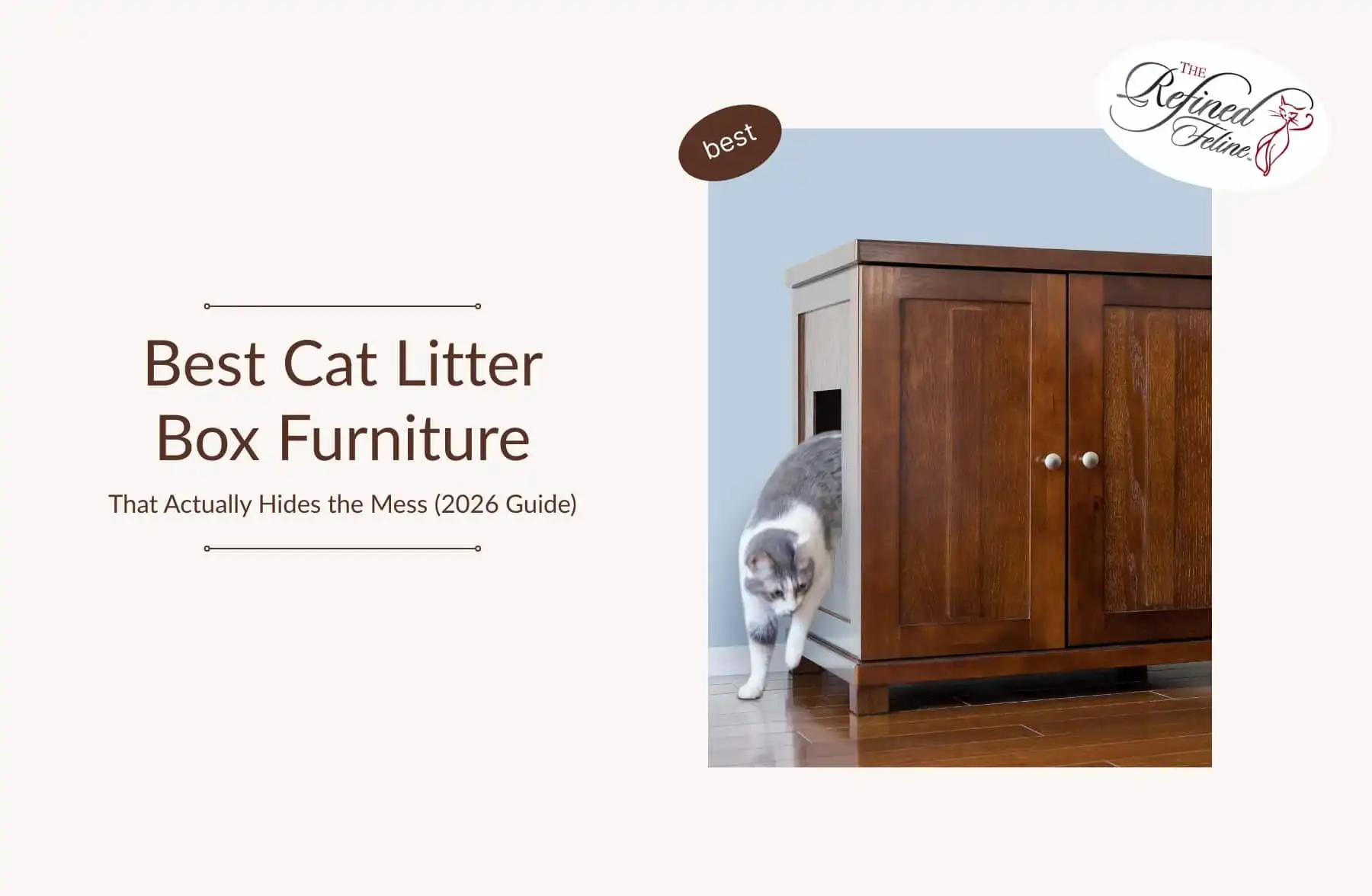
What if your cat’s bathroom could look as good as your other furniture? Litter box enclosures solve this problem, transforming a necessary eyesore into stylish pieces that blend seamlessly with your décor, including options like Cat litter box furniture cabinets.
Why Cat Parents Choose Litter Box Furniture
A good enclosure does more than hide the mess. Cats naturally seek privacy when using their bathroom. An enclosed space gives them that comfort while keeping your floors cleaner and air fresher.
Cat ownership has risen 23% in 2024, bringing 49 million U.S. households into the search for better solutions.
Quality litter box enclosures trap kicked-up litter inside the cabinet. Guests see what looks like a nightstand or side table. Odors stay contained rather than spreading through your home.
Choosing the Right Style
Different homes need different solutions. Your choice depends on available space, whether you use a traditional tray or an automatic system, and how the piece functions in your room.
Traditional Cabinet Designs
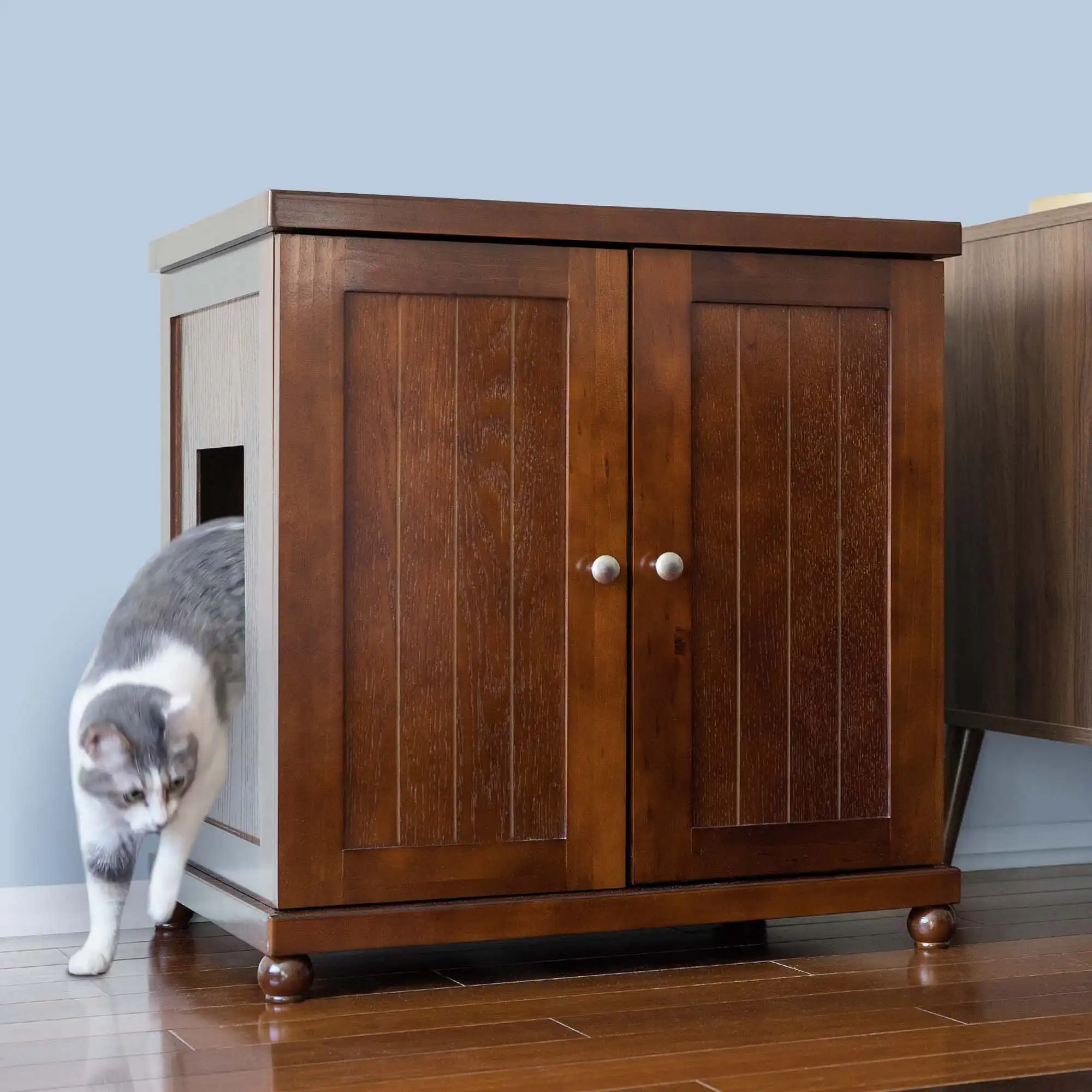
Hidden litter box cabinets look like regular furniture. Doors open wide for easy scooping. Storage drawers keep supplies organized.
Reversible entryways mean you can position the opening on either side, depending on your layout. Place the cabinet anywhere without worrying about access.
Multi-Functional Pieces
When floor space comes at a premium, furniture serving double duty makes sense. A cabinet functioning as a nightstand maximizes square footage. Storage compartments hold supplies, books, or decorative items.
Self-Cleaning System Enclosures
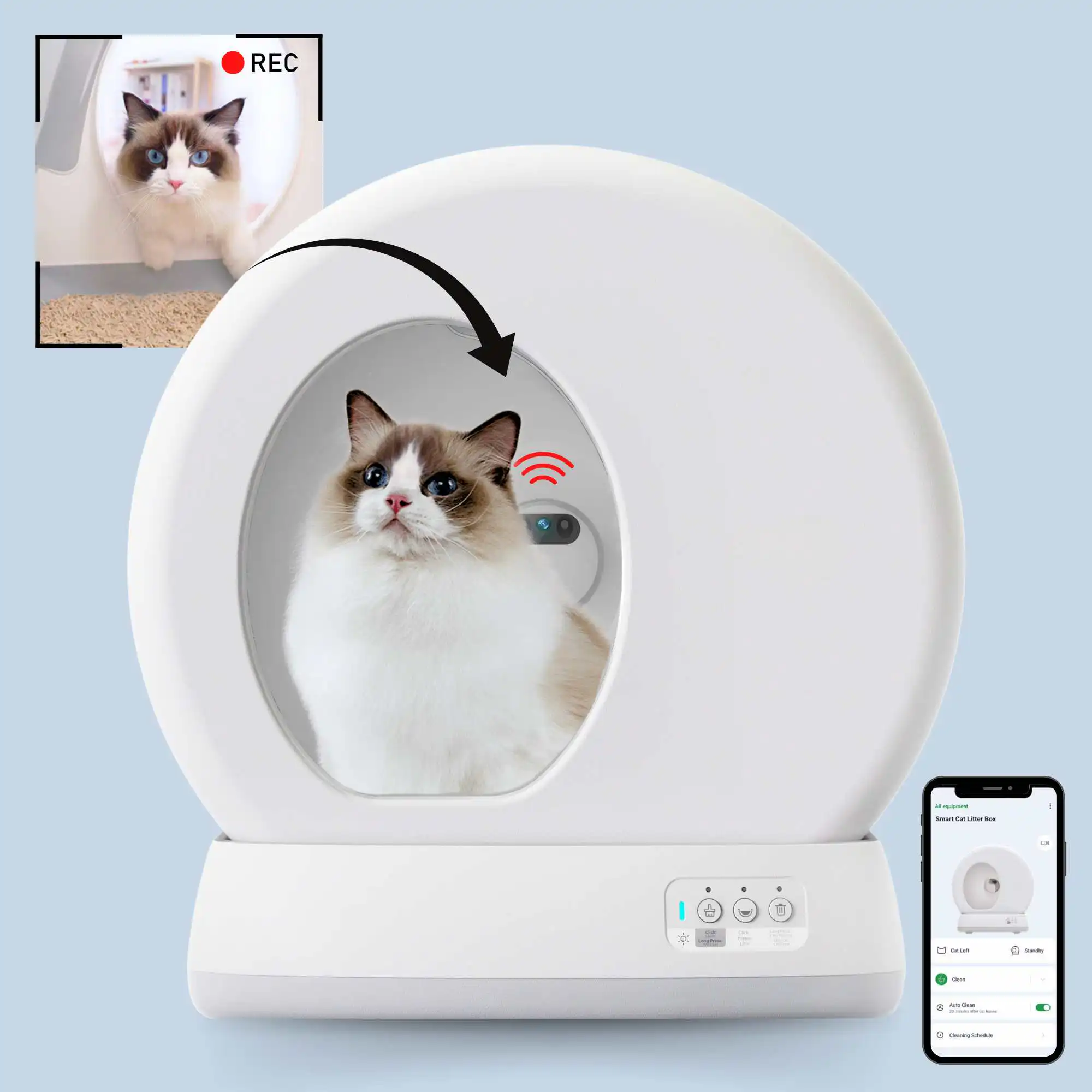
Automatic litter boxes need more vertical clearance. Specialized cabinets for automatic systems accommodate that height while including cord management features.
Check interior dimensions before purchasing. Your self-cleaning box needs room to operate without hitting the cabinet ceiling.
Materials That Matter
Construction quality determines how pieces hold up to daily use, accidents, and moisture.
Wood vs. Particleboard
Solid wood and plywood with oak veneer resist moisture and odor absorption. A quick wipe-down restores surfaces without permanent damage.
Particleboard and MDF absorb both moisture and odors. Within months, cheaper materials deteriorate and develop smells that won’t scrub away.
Moisture-Resistant Finishes
Protective coatings repel water. Specialized coatings create barriers that cleaning solutions wipe across rather than soak into. Quality finishes make weekly wipe-downs easy without harsh chemicals.
Essential Features
Certain design elements separate furniture that works from pieces that frustrate both you and your cat.
Ventilation
Airflow prevents odor buildup without letting smells escape. Ventilation slots allow fresh air to circulate while the cabinet contains odors.
Some models include spaces for carbon filter inserts. Filters add extra odor control by absorbing smells. Without proper ventilation, cats may avoid using enclosed spaces.
Interior Dimensions
Your cat needs room to enter, turn around, dig, and position comfortably. Cramped quarters lead to accidents or complete avoidance.
Measure your current tray and add at least four inches to each dimension. Larger breeds and multi-cat households especially appreciate extra space.
Access for Maintenance
You’ll be scooping daily, so accessibility matters. Wide-opening doors let you reach every corner. Some designs include flip-top lids for quick access.
Removable liners catch stray litter before it reaches the cabinet floor. Pull out the liner, dump it, and you’re done.
Selecting the Right Size
Cabinet dimensions matter for both your cat’s comfort and your space constraints.
Standard Size Cabinets
The Refined Cat Litter Box Deluxe in Large measures 27.5″ wide by 27″ high by 20″ deep externally. Interior space fits most standard and jumbo trays.
Storage drawers organize supplies. Rear ventilation slots accept carbon filters. Waterproof liners catch kicked litter.
XL Options
XLarge cabinets measure 33.5″ wide by 28″ high by 22.75″ deep externally. Generous interior dimensions accommodate jumbo trays and most automatic boxes.
Larger cats need more room. Multi-cat households often use bigger trays requiring XL enclosures.
Solving Common Problems
Pairing quality furniture with smart accessories creates complete solutions.
Reducing Tracking
A wooden litter catch positioned at the cabinet entrance captures particles as your cat exits.
Slotted designs let litter fall through. Empty by holding over your tray and sliding the trap door. Matching finishes complement cabinets.
Managing Odors
Odor control requires multiple approaches. Daily scooping removes waste before smells intensify. Quality clumping litter performs better in enclosed litter boxes.
Carbon filters in ventilation slots absorb smells. Replace monthly for best results. Weekly wipe-downs prevent buildup.
Keeping Clean
Wide doors simplify scooping. Flip-top lids provide quick access. Moisture-resistant finishes protect wood while staying easy to wipe.
Deep clean monthly by emptying completely and sanitizing all surfaces. Remove waterproof liners for thorough washing.
Helping Your Cat Adjust
Most cats transition easily when introduced gradually.
Place your new cabinet where the old box sat. Use the same litter type. Leave doors fully open for the first few days.
Cats naturally seek enclosed spaces for bathroom privacy. Generous entryways prevent trapped feelings. Within days, most cats adjust completely, especially when transitioning to cat litter box furniture cabinets.
Avoid moving the cabinet during transition. Cats rely on routine regarding litter box habits. Once your cat uses the enclosure consistently, you can slowly move it if needed.
Join the Club
Quality litter box furniture costs more upfront but pays off. Premium materials resist odors and damage for years.
Customization options match existing décor. Choose from multiple colors, panel styles, and feet designs. Reversible walls position entries wherever works best.
Browse The Refined Feline’s collection to find options matching your style. Free shipping over $60 with 60-day guarantees means trying quality furniture risk-free.
Frequently Asked Questions
Q. Does enclosed furniture really control odors better?
Enclosed cabinets contain odors through physical barriers, while ventilation slots allow airflow. Carbon filters in the rear slots add extra absorption. Regular scooping remains most effective regardless of enclosure type.
Q. How do I know what size cabinet to buy?
Measure your current litter box and add four inches to each dimension. Cats need room to turn around and dig comfortably. Larger breeds and multi-cat households benefit from XL options.
Q. Can automatic litter boxes fit inside furniture?
Yes, but you need cabinets specifically designed for self-cleaning systems. Check interior dimensions provide adequate clearance for cleaning mechanisms and include cord management features.
Q. Will my cat actually use an enclosed box?
Most cats adapt quickly to well-designed enclosures with adequate space and ventilation. Gradual introduction helps. Place new cabinets where old boxes sat with familiar litter inside and doors open initially.
Q. What’s the best material for durability?
Solid wood with oak veneer provides moisture resistance and durability. Avoid particle board or MDF, which absorb odors and deteriorate from moisture exposure over time.
Q. How often does litter box furniture need cleaning?
Scoop daily just like open trays. Wipe interior surfaces weekly to prevent buildup. Deep clean monthly by emptying completely and sanitizing with pet-safe cleaners.